
Introduction
The recent ruling by a federal judge to bar prosecutors from seeking the death penalty against Luigi Mangione in the killing of UnitedHealthcare CEO Brian Thompson has sent shockwaves through the legal community. This decision has significant implications for the case and raises important questions about the role of the death penalty in the American justice system. In this article, we will delve into the details of the case, explore the reasoning behind the judge's decision, and examine the broader context of the death penalty in the United States.
Background of the Case
Luigi Mangione is accused of killing Brian Thompson, the CEO of UnitedHealthcare, in a shocking and tragic incident. The case has garnered significant attention due to the high profile of the victim and the severity of the crime. Federal prosecutors had initially sought to pursue the death penalty against Mangione, citing the heinous nature of the crime and the need for justice for the victim's family.
However, the federal judge presiding over the case has ruled that prosecutors cannot seek the death penalty, citing concerns about the fairness and constitutionality of the sentence. This decision has been met with a mix of reactions, with some arguing that it is a necessary step to ensure that justice is served, while others believe that it is a miscarriage of justice.
The Judge's Ruling
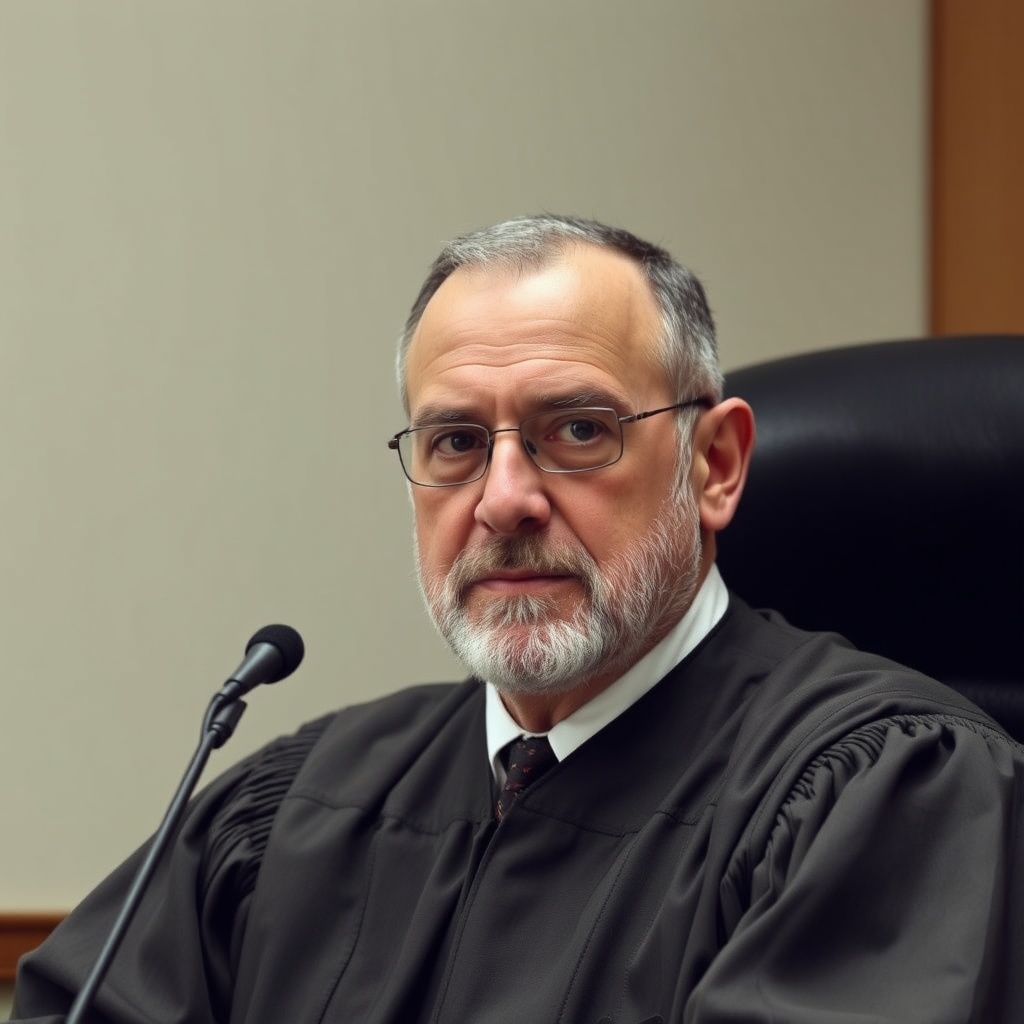
The judge's decision to bar prosecutors from seeking the death penalty is based on a careful analysis of the case and the relevant laws. The judge considered factors such as the severity of the crime, the defendant's mental state, and the potential for bias in the sentencing process. Ultimately, the judge concluded that seeking the death penalty would be unconstitutional and unfair.
This ruling is significant because it highlights the complexities and challenges of pursuing the death penalty in the United States. The death penalty is a highly controversial and emotive issue, with many arguing that it is a necessary tool for justice, while others believe that it is a cruel and inhumane practice that should be abolished.
The Debate Over the Death Penalty
The debate over the death penalty is a longstanding and contentious issue in the United States. Proponents of the death penalty argue that it is a necessary deterrent to crime and a means of ensuring justice for victims and their families. They point to cases like the killing of Brian Thompson, where the severity of the crime and the impact on the victim's family demand the most severe punishment possible.
On the other hand, opponents of the death penalty argue that it is a flawed and unjust system that is prone to errors and biases. They point to cases where innocent people have been wrongly convicted and executed, and argue that the death penalty is a violation of human rights and dignity.
According to the National Coalition to Abolish the Death Penalty, there have been over 1,500 executions in the United States since 1976, with many more on death row awaiting their fate. However, the organization also notes that there have been numerous cases of wrongful convictions and exonerations, highlighting the risks and uncertainties of the death penalty.
The Impact of the Ruling
The judge's ruling in the Mangione case has significant implications for the future of the death penalty in the United States. It highlights the challenges and complexities of pursuing the death penalty, and raises important questions about the fairness and constitutionality of the sentence.
The ruling may also have a ripple effect on other cases, as judges and prosecutors consider the implications of the decision. It may lead to a re-evaluation of the role of the death penalty in the American justice system, and a renewed debate about its effectiveness and morality.
In conclusion, the judge's ruling to bar prosecutors from seeking the death penalty against Luigi Mangione is a significant and thought-provoking decision. It highlights the complexities and challenges of the death penalty, and raises important questions about the fairness and constitutionality of the sentence. As the debate over the death penalty continues, it is essential to consider the implications of this ruling and the broader context of the American justice system.
Conclusion
The case of Luigi Mangione and the killing of UnitedHealthcare CEO Brian Thompson is a tragic and shocking incident that has sent shockwaves through the legal community. The judge's ruling to bar prosecutors from seeking the death penalty is a significant and thought-provoking decision that highlights the complexities and challenges of the death penalty.
As we move forward, it is essential to consider the implications of this ruling and the broader context of the American justice system. We must examine the role of the death penalty in our society, and consider whether it is a fair and effective means of achieving justice.
Ultimately, the debate over the death penalty is a complex and contentious issue that requires careful consideration and nuanced discussion. As we navigate the challenges and complexities of this issue, we must prioritize fairness, justice, and human dignity, and work towards creating a more just and equitable society for all.
In the words of the National Coalition to Abolish the Death Penalty, "the death penalty is a failed public policy that fails to deter crime, fails to bring closure to victims' families, and fails to uphold the principles of justice and human dignity." As we move forward, it is essential to consider the implications of this ruling and the broader context of the American justice system, and to work towards creating a more just and equitable society for all.
The ruling in the Mangione case is a significant step towards re-evaluating the role of the death penalty in the American justice system. It highlights the need for careful consideration and nuanced discussion, and underscores the importance of prioritizing fairness, justice, and human dignity.
As the debate over the death penalty continues, it is essential to consider the perspectives of all stakeholders, including victims' families, defendants, and the broader community. We must work towards creating a more just and equitable society, where the rights and dignity of all individuals are respected and protected.
In the end, the judge's ruling in the Mangione case is a powerful reminder of the complexities and challenges of the death penalty, and the need for careful consideration and nuanced discussion. As we move forward, it is essential to prioritize fairness, justice, and human dignity, and to work towards creating a more just and equitable society for all.

Leave a comment