
Introduction
In a significant development in the ongoing case against former President Donald Trump, Judge Aileen Cannon has ordered that a report detailing the investigation into Trump's handling of classified documents be kept secret. The report, compiled by special counsel Jack Smith, is said to be extensive and sheds light on the circumstances surrounding Trump's alleged mishandling of sensitive documents. This decision has sparked intense interest and debate, with many questioning the reasoning behind the secrecy and what implications it may have for the case and the public's right to know. This article will delve into the background of the case, the reasoning behind Judge Cannon's decision, and the potential consequences of this ruling.
Background of the Case
The case against Trump stems from an investigation into his handling of classified documents after leaving office. It is alleged that Trump removed numerous boxes of documents, including classified materials, from the White House and stored them at his Mar-a-Lago estate in Florida. The investigation, led by the National Archives and Records Administration (NARA) and later taken over by the Department of Justice (DOJ), sought to determine whether Trump had violated federal laws regarding the handling of classified information. The DOJ, under the leadership of Attorney General Merrick Garland, appointed special counsel Jack Smith to oversee the investigation, ensuring its independence and impartiality.
The investigation has been marked by controversy, with Trump and his supporters claiming that the probe is politically motivated and an overreach by the Biden administration. On the other hand, proponents of the investigation argue that it is essential to uphold the law and ensure that all individuals, including former presidents, are held accountable for their actions. The case has significant implications for national security, the rule of law, and the precedent it sets for how classified documents are handled by government officials.
Judge Cannon's Decision and Its Rationale
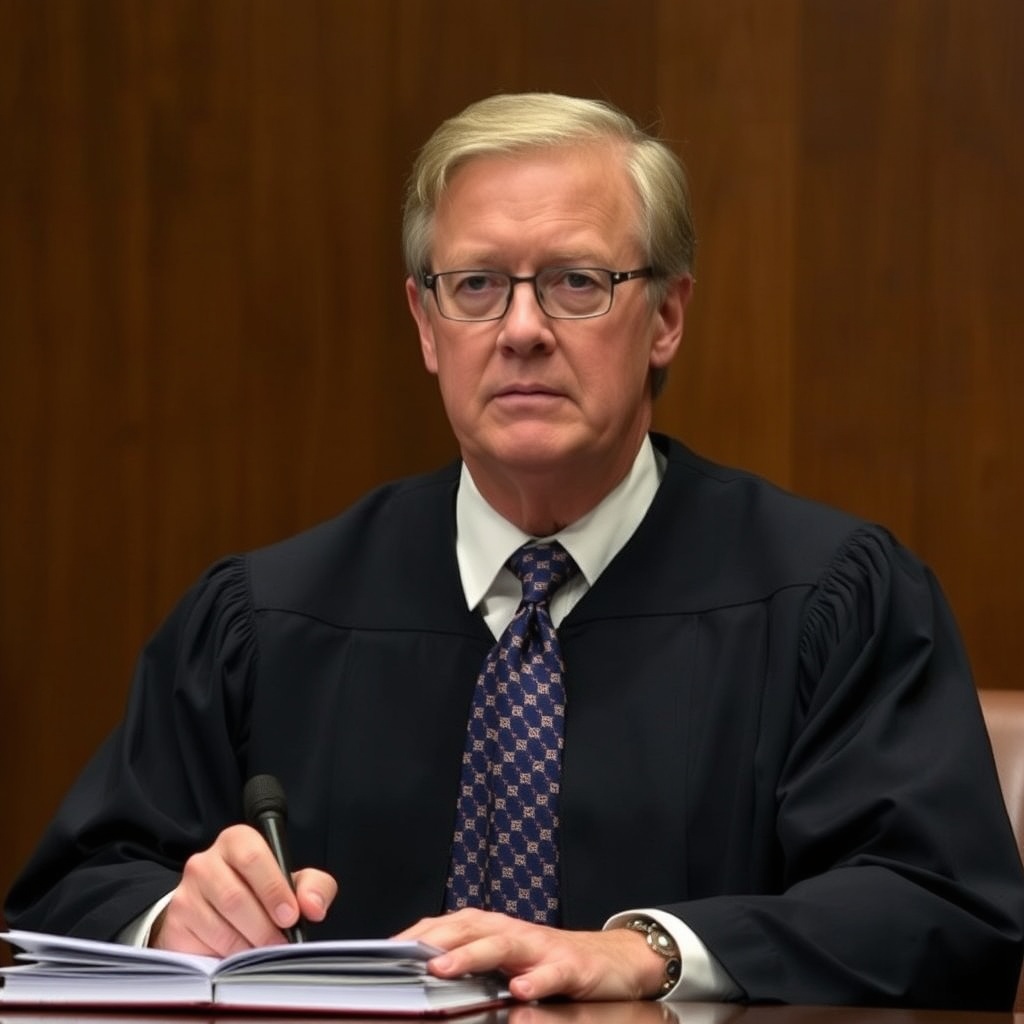
Judge Aileen Cannon, a federal judge in the Southern District of Florida, was assigned to oversee the case. In her recent ruling, Judge Cannon blocked the public release of special counsel Jack Smith's report, citing concerns about the potential impact on the ongoing investigation and the rights of individuals involved. The decision to maintain secrecy around the report is based on the argument that releasing the document could compromise the investigation, reveal sensitive information, and potentially influence public opinion and jury pools if the case goes to trial.
Judge Cannon's ruling is not unprecedented, as courts often balance the public's right to information against the need to protect ongoing investigations and the privacy of individuals involved. However, the high profile of this case and the intense public interest in the outcome have made her decision particularly noteworthy. Critics of the ruling argue that secrecy undermines transparency and the public's right to know, especially in cases involving public figures and matters of significant national interest.
Implications and Potential Consequences
The implications of Judge Cannon's decision are multifaceted. On one hand, maintaining the secrecy of the report may protect the integrity of the investigation, ensuring that any future legal proceedings are not compromised by premature disclosure of evidence or findings. This is particularly important in cases involving national security, where the release of sensitive information could have unintended consequences.
On the other hand, the secrecy surrounding the report fuels speculation and can erode trust in the judicial process. The public's perception of fairness and transparency is crucial in high-profile cases, and the lack of information can lead to misinformation and further polarization. Moreover, the decision sets a precedent for how similar cases might be handled in the future, potentially impacting the balance between national security, individual rights, and the public's right to information.
The case also highlights the challenges faced by the judiciary in navigating complex, politically sensitive investigations. Judges must walk a fine line between upholding the law, protecting individual rights, and maintaining public trust. The scrutiny Judge Cannon's decision has received underscores the importance of judicial independence and the critical role judges play in ensuring that the legal process is fair, impartial, and transparent.
Conclusion
The decision by Judge Aileen Cannon to maintain secrecy around the report on the Trump classified-documents case marks a significant development in the ongoing investigation. While the ruling is intended to protect the integrity of the investigation and the rights of individuals involved, it also raises important questions about transparency, accountability, and the public's right to know. As the case progresses, it will be essential to balance these competing interests, ensuring that justice is served while maintaining public trust in the judicial process.
The outcome of this case will have far-reaching implications, not only for Trump and his associates but also for how the United States handles classified information and holds public officials accountable. The legal community, policymakers, and the general public will closely watch the developments, seeking clarity on the rules and standards that govern the handling of sensitive documents by government officials.
Ultimately, the handling of this case will be a test of the strength and resilience of the U.S. legal system, its ability to navigate complex political landscapes, and its commitment to transparency and accountability. As the nation moves forward, it is crucial that the principles of justice, fairness, and openness guide the process, ensuring that the rule of law is upheld and that the public's trust in institutions is maintained.

Leave a comment