
Introduction
A recent federal court ruling has ordered the restoration of slavery exhibits at a national park site in Philadelphia, marking a significant development in the ongoing effort to preserve and acknowledge the nation's complex history. The decision, handed down by a federal judge, comes in response to a lawsuit filed against the Trump administration, which had previously removed or altered exhibits related to slavery at the site. This article will delve into the details of the ruling, the historical context of the exhibits, and the broader implications of this decision for the preservation of American history.
Historical Context of the Exhibits
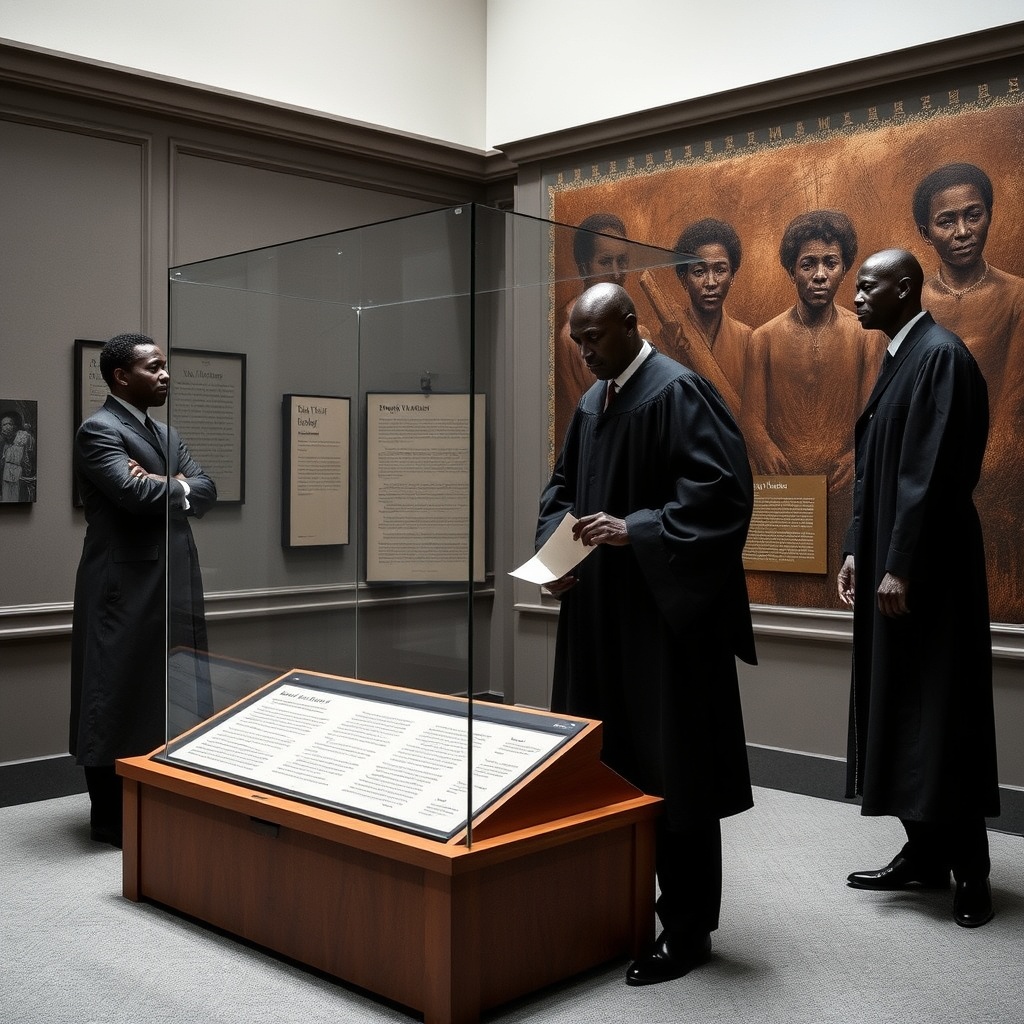
The national park site in question is located on the foundation of the former President's House, which was the residence of George Washington and John Adams during their terms in office. The site has significant historical importance, as it was also the location where nine enslaved Africans were held in bondage by Washington. The exhibits that were removed or altered were part of a larger effort to interpret the history of slavery in the United States and to provide a more nuanced understanding of the country's founding.
The exhibits included a variety of artifacts, images, and interactive displays that told the story of slavery in America, from the transatlantic slave trade to the daily lives of enslaved individuals. They also highlighted the contradictions between the ideals of liberty and equality enshrined in the Constitution and the harsh reality of slavery. By examining the historical context of these exhibits, it becomes clear that their removal or alteration was not only a loss for the site's visitors but also a distortion of the historical record.
The Lawsuit and the Ruling
The lawsuit that led to the federal judge's ruling was filed by a coalition of historians, preservationists, and civil rights groups. They argued that the removal or alteration of the exhibits was a violation of the National Historic Preservation Act, which requires that federal agencies take into account the potential impact of their actions on historic sites and artifacts. The plaintiffs also contended that the Trump administration's actions were motivated by a desire to downplay the significance of slavery in American history and to promote a more sanitized version of the country's past.
The federal judge's ruling was a decisive victory for the plaintiffs, as it ordered the Trump administration to restore the slavery exhibits to their original state. The judge found that the administration had indeed violated the National Historic Preservation Act and that its actions were arbitrary and capricious. The ruling also noted that the exhibits were an essential part of the site's historical interpretation and that their removal or alteration had diminished the site's educational value.
Implications of the Ruling
The federal judge's ruling has significant implications for the preservation of American history and the interpretation of historic sites. It sends a strong message that the nation's history, including its most painful and complex aspects, must be preserved and presented in a truthful and nuanced manner. The ruling also underscores the importance of the National Historic Preservation Act, which has been instrumental in protecting historic sites and artifacts from destruction or alteration.
Furthermore, the ruling has implications for the ongoing debate about how to interpret and present the history of slavery in America. It suggests that efforts to downplay or distort this history are not only ahistorical but also illegal. The ruling also highlights the importance of public engagement and participation in the preservation of historic sites, as it was the efforts of historians, preservationists, and civil rights groups that led to the lawsuit and the eventual restoration of the exhibits.
In addition, the ruling has sparked a broader conversation about the role of historic sites and museums in shaping public understanding of the past. It has led to calls for greater transparency and accountability in the management of these sites, as well as a renewed emphasis on the importance of inclusive and diverse historical interpretation. As the nation continues to grapple with the legacy of slavery and its ongoing impact on American society, the ruling serves as a powerful reminder of the need to confront and understand this history in all its complexity.
The ruling also has implications for the Trump administration's broader efforts to reshape the nation's historical narrative. The administration's actions, including the removal or alteration of exhibits related to slavery, have been seen as part of a larger effort to promote a more nationalist and nostalgic view of American history. The ruling suggests that these efforts will not go unchallenged and that the preservation of historic sites and artifacts is a critical component of the nation's cultural heritage.
Case Studies and Examples
The controversy over the slavery exhibits in Philadelphia is not an isolated incident. There have been numerous examples of historic sites and museums facing challenges in presenting the history of slavery and its legacy. For instance, the National Museum of African American History and Culture in Washington, D.C. has faced criticism for its portrayal of slavery and the transatlantic slave trade. Similarly, the Confederate monument debate has sparked a national conversation about the role of monuments and memorials in shaping public understanding of the past.
These case studies highlight the complexities and challenges of presenting the history of slavery and its legacy. They also underscore the importance of inclusive and diverse historical interpretation, as well as the need for transparency and accountability in the management of historic sites and museums. By examining these examples, it becomes clear that the preservation of American history is an ongoing and contested process, one that requires the active engagement of historians, preservationists, and the broader public.
In conclusion, the federal judge's ruling to restore the slavery exhibits at the national park site in Philadelphia is a significant development in the ongoing effort to preserve and acknowledge the nation's complex history. The ruling has implications for the preservation of American history, the interpretation of historic sites, and the broader debate about how to present the history of slavery and its legacy. As the nation continues to grapple with the legacy of slavery and its ongoing impact on American society, the ruling serves as a powerful reminder of the need to confront and understand this history in all its complexity.
Conclusion
The restoration of the slavery exhibits at the national park site in Philadelphia is a significant step forward in the preservation of American history. The federal judge's ruling is a testament to the importance of preserving the nation's historical record, including its most painful and complex aspects. As the nation moves forward, it is essential that historic sites and museums continue to present a nuanced and truthful interpretation of the past, one that acknowledges the complexities and contradictions of American history.
The ruling also highlights the importance of public engagement and participation in the preservation of historic sites. The efforts of historians, preservationists, and civil rights groups were instrumental in leading to the lawsuit and the eventual restoration of the exhibits. This serves as a powerful reminder of the need for ongoing vigilance and activism in the preservation of American history.
Ultimately, the preservation of American history is an ongoing and contested process, one that requires the active engagement of historians, preservationists, and the broader public. The federal judge's ruling is a significant development in this process, one that underscores the importance of preserving the nation's historical record and presenting a nuanced and truthful interpretation of the past. As the nation continues to grapple with the legacy of slavery and its ongoing impact on American society, the ruling serves as a powerful reminder of the need to confront and understand this history in all its complexity.

Leave a comment