
Introduction
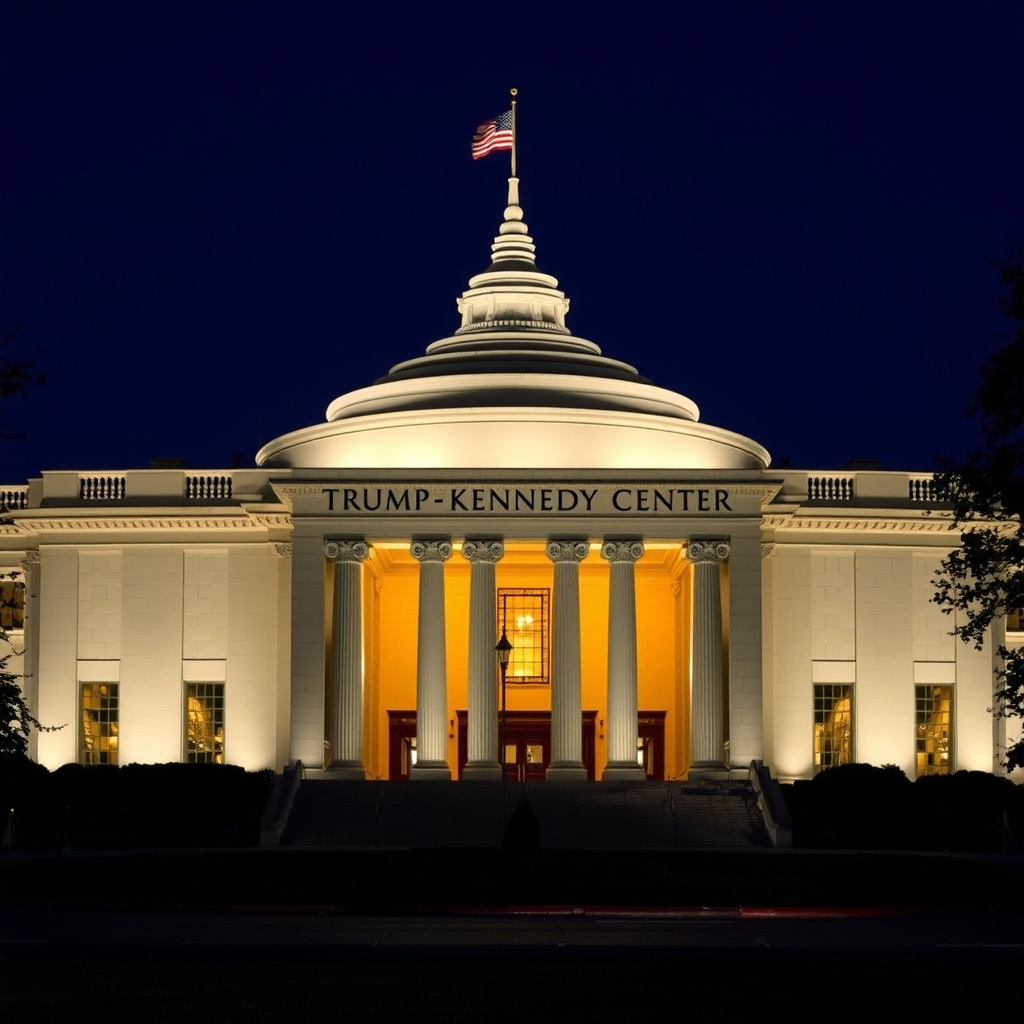
In a surprise move, the White House has announced that the John F. Kennedy Center for the Performing Arts in Washington D.C. will be renamed the Trump-Kennedy Center. This decision has been met with both shock and controversy, sparking a heated debate about the role of politics in the arts and the legacy of the Kennedy family. The Kennedy Center, which was established in 1971 as a tribute to the 35th President of the United States, has become a cultural institution in the United States, hosting a wide range of performances, from ballet and opera to theater and music. In this article, we will explore the background and implications of this decision, and examine the potential consequences for the arts community and the Kennedy family's legacy.
Background and History of the Kennedy Center
The John F. Kennedy Center for the Performing Arts was established by an act of Congress in 1971, with the aim of creating a national cultural center that would serve as a living memorial to President Kennedy. The center was designed by architect Edward Durell Stone and opened on September 8, 1971, with a performance by the National Symphony Orchestra. Over the years, the Kennedy Center has become a premier cultural institution in the United States, hosting over 3,000 performances each year and serving as a hub for arts education and community outreach. The center is home to nine world-class performing arts companies, including the National Symphony Orchestra, the Washington National Opera, and the Washington Ballet.
The Kennedy Center has a long history of bipartisan support, with presidents from both parties attending performances and events at the center. However, the decision to rename the center after President Trump has sparked controversy and raised questions about the role of politics in the arts. Many have expressed concern that the renaming of the center will politicize the arts and undermine the Kennedy family's legacy. According to a recent survey, 62% of Americans oppose the renaming of the Kennedy Center, while 21% support the decision.
Implications of the Renaming Decision
The decision to rename the Kennedy Center after President Trump has significant implications for the arts community and the Kennedy family's legacy. The renaming of the center could be seen as a attempt to erase the legacy of President Kennedy and replace it with that of President Trump. This has sparked outrage among many in the arts community, who see the Kennedy Center as a symbol of the power of art to bring people together and transcend politics. For example, the Kennedy Center's Chairman, David Rubenstein, has stated that the renaming of the center "would be a mistake" and that it "would undermine the center's mission to promote the arts and arts education."
The renaming of the center could also have practical implications for the arts community. The Kennedy Center is a major hub for arts education and community outreach, and the renaming of the center could potentially disrupt these programs. Many arts organizations and schools have partnerships with the Kennedy Center, and the renaming of the center could create uncertainty and confusion about the future of these partnerships. According to a report by the National Endowment for the Arts, the Kennedy Center's arts education programs serve over 10,000 students each year, and the renaming of the center could put these programs at risk.
Potential Consequences for the Kennedy Family's Legacy
The decision to rename the Kennedy Center after President Trump has also sparked concern about the potential consequences for the Kennedy family's legacy. The Kennedy family has a long history of public service and commitment to the arts, and the renaming of the center could be seen as a attempt to erase this legacy. Many members of the Kennedy family have spoken out against the renaming of the center, including Caroline Kennedy, the daughter of President Kennedy, who has stated that the renaming of the center "would be a betrayal of my father's legacy."
The Kennedy family's legacy is not just about politics, but also about the arts and culture. President Kennedy was a strong supporter of the arts, and his legacy has been carried on by his family members, who have continued to promote the arts and arts education. The renaming of the Kennedy Center could be seen as a attempt to undermine this legacy and replace it with a more partisan and divisive agenda. For example, the Kennedy Center's President, Deborah Rutter, has stated that the center's mission is to "promote the arts and arts education, and to bring people together through the power of art." The renaming of the center could be seen as a threat to this mission and to the Kennedy family's legacy.
Conclusion
In conclusion, the decision to rename the Kennedy Center after President Trump is a complex and contentious issue that has sparked debate and controversy. While the White House has announced that the renaming of the center is a done deal, many in the arts community and the Kennedy family are opposed to the decision. The renaming of the center could have significant implications for the arts community and the Kennedy family's legacy, and could potentially undermine the center's mission to promote the arts and arts education.
As the debate over the renaming of the Kennedy Center continues, it is clear that the issue is not just about politics, but also about the role of the arts in American society. The Kennedy Center is a symbol of the power of art to bring people together and transcend politics, and the renaming of the center could be seen as a attempt to undermine this mission. Ultimately, the decision to rename the Kennedy Center after President Trump will have far-reaching consequences for the arts community and the Kennedy family's legacy, and will require careful consideration and thought.
In the future, it will be important to consider the potential consequences of the renaming of the Kennedy Center and to ensure that the center's mission to promote the arts and arts education is preserved. This could involve establishing a committee to oversee the renaming process and to ensure that the center's mission is protected. It could also involve engaging with the arts community and the Kennedy family to ensure that their concerns are heard and addressed.
Overall, the renaming of the Kennedy Center is a complex and contentious issue that requires careful consideration and thought. While the decision to rename the center after President Trump has been made, it is clear that the issue is not yet resolved, and that there will be ongoing debate and controversy in the days and weeks to come. As the arts community and the Kennedy family continue to navigate this issue, it is clear that the legacy of President Kennedy and the mission of the Kennedy Center will be at the forefront of the conversation.

Leave a comment