
Introduction
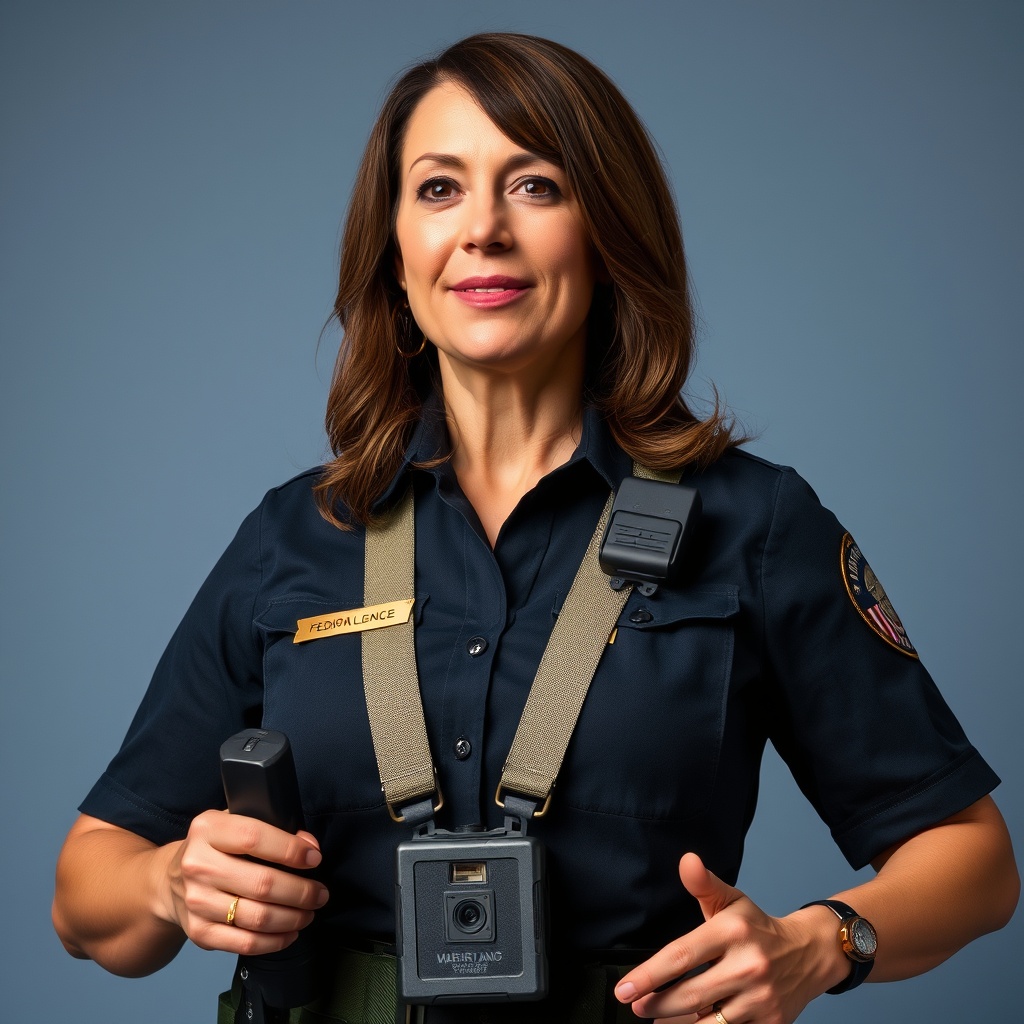
In a significant development, Kristi Noem has announced that all federal agents will begin wearing body cameras on patrols, a move that has been welcomed by many as a step towards increased transparency and accountability. This decision comes after months of debate and negotiation, with Democrats blocking the funding of a key agency until their demands for body cameras were met. The announcement has been met with a mix of reactions, with some hailing it as a major victory for civil liberties and others expressing concerns about the potential impact on law enforcement operations. In this article, we will delve into the details of this development, exploring the background, the implications, and the potential consequences of this decision.
Background and Context
The use of body cameras by law enforcement agents has been a topic of discussion for several years, with many advocacy groups and civil rights organizations pushing for their widespread adoption. The argument is that body cameras can help to increase transparency and accountability, providing a clear record of interactions between law enforcement agents and the public. This can be particularly important in cases where there are allegations of misconduct or excessive use of force. According to a study by the National Institute of Justice, the use of body cameras can lead to a significant reduction in complaints against police officers, as well as a decrease in the use of force.
The demand for body cameras has been driven in part by high-profile cases of police misconduct, such as the killing of George Floyd in Minneapolis and the shooting of Breonna Taylor in Louisville. These cases have highlighted the need for greater accountability and transparency in law enforcement, and have sparked widespread protests and calls for reform. In response to these demands, many law enforcement agencies have begun to adopt body cameras, with some reporting significant reductions in complaints and use of force.
The Role of Politics and Negotiation
The decision to require federal agents to wear body cameras on patrols is the result of a long and complex negotiation process. Democrats had been blocking the funding of a key agency, insisting that body cameras be made mandatory as a condition of releasing the funds. This move was seen as a key demand, with many arguing that it was essential for ensuring accountability and transparency in law enforcement.
Senator Ron Johnson, a Republican from Wisconsin, has stated that he does not "have a problem" with the demand for body cameras, suggesting that there may be bipartisan support for the move. This is significant, as it indicates that there may be a willingness to work across party lines to address the issue of police accountability and transparency.
According to a report by the Pew Research Center, 66% of Americans believe that police officers should be required to wear body cameras, while 31% are opposed to the idea. This suggests that there is broad public support for the use of body cameras, and that the decision to require federal agents to wear them may be seen as a popular move.
Implications and Consequences
The decision to require federal agents to wear body cameras on patrols has significant implications for law enforcement and the public. On the one hand, it has the potential to increase transparency and accountability, providing a clear record of interactions between law enforcement agents and the public. This can help to build trust and confidence in law enforcement, and may lead to a reduction in complaints and use of force.
On the other hand, there are concerns about the potential impact on law enforcement operations. Some argue that the use of body cameras may create a "chilling effect," where officers are less likely to take risks or engage in proactive policing due to concerns about being recorded. Others argue that the cameras may not always capture the full context of a situation, and may lead to misunderstandings or misinterpretations.
According to a study by the Police Executive Research Forum, the use of body cameras can also have significant costs and logistical implications. The study found that the cost of implementing and maintaining a body camera program can be substantial, and may require significant investments in equipment, training, and storage.
Case Studies and Examples
There are several examples of law enforcement agencies that have successfully implemented body camera programs, with significant benefits for both the public and law enforcement. For example, the Los Angeles Police Department has reported a 40% reduction in complaints against officers since introducing body cameras, while the Chicago Police Department has seen a 30% reduction in use of force incidents.
In the UK, the use of body cameras by police officers has been shown to reduce complaints against officers by 93%, according to a study by the University of Cambridge. The study found that the use of body cameras also led to a significant reduction in the use of force, with officers more likely to use de-escalation techniques when interacting with the public.
Conclusion
The decision to require federal agents to wear body cameras on patrols is a significant development, with the potential to increase transparency and accountability in law enforcement. While there are concerns about the potential impact on law enforcement operations, the evidence suggests that body cameras can be a valuable tool for building trust and confidence in law enforcement. As the use of body cameras becomes more widespread, it will be important to monitor their impact and make adjustments as needed.
Ultimately, the use of body cameras is just one part of a broader effort to reform law enforcement and increase accountability. It will require ongoing commitment and investment from law enforcement agencies, policymakers, and the public to ensure that the benefits of body cameras are realized and that the challenges are addressed. As Senator Ron Johnson has stated, the use of body cameras is not a "problem" to be solved, but rather an opportunity to build trust and confidence in law enforcement. By working together, we can create a safer, more just, and more accountable law enforcement system for all.

Leave a comment