Introduction
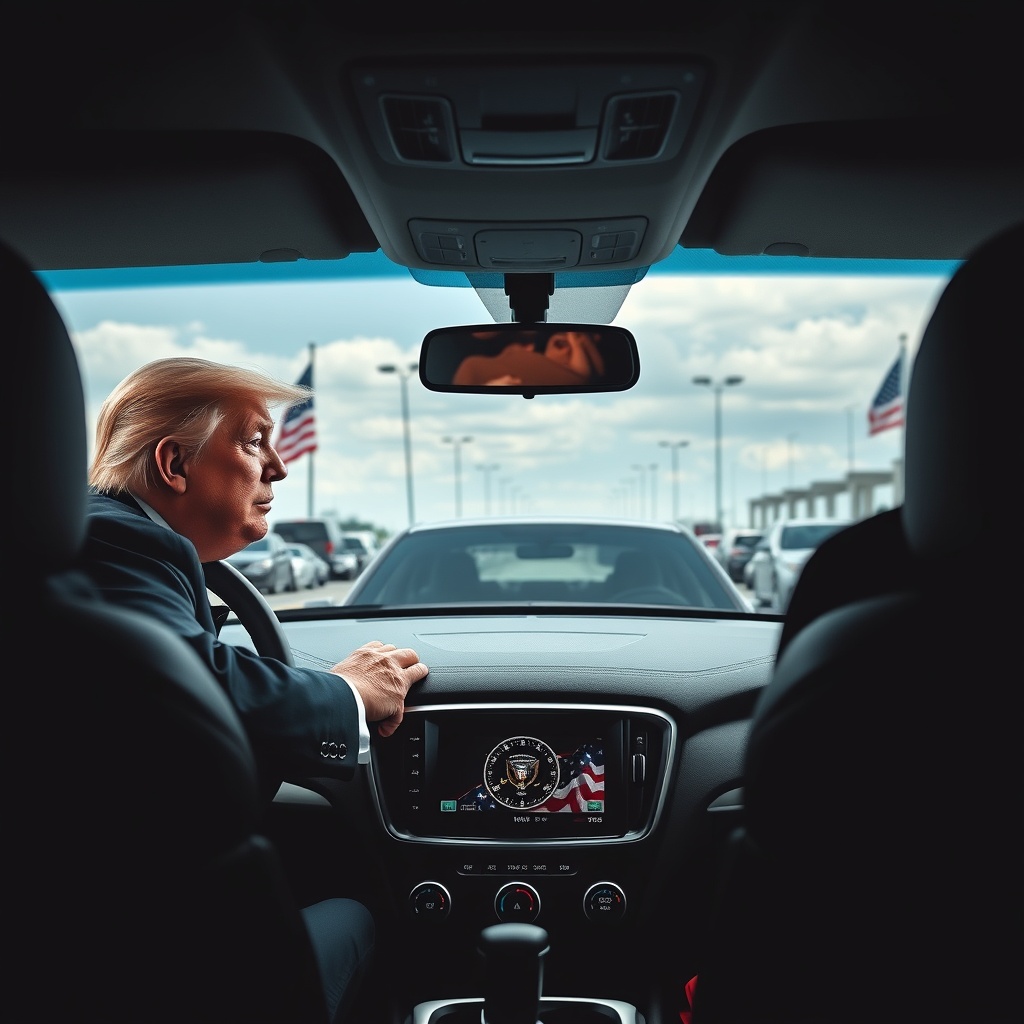
On a chilly winter morning in 2026, President Donald J. Trump stood proudly in the heart of Michigan, a state renowned for its rich automotive history, to showcase the remarkable revival of the American auto industry. With a promise to "Make Driving Great Again," President Trump had taken office with a clear vision: to revitalize the American auto industry, which had faced significant challenges in the years preceding his presidency. This article delves into the journey of how President Trump's policies and initiatives have contributed to the resurgence of the American auto industry, highlighting key milestones, statistics, and the impact on the economy and employment.
The State of the American Auto Industry Pre-Trump
Before President Trump's inauguration, the American auto industry was facing a multitude of challenges. The industry had been recovering from the 2008 financial crisis, which had severely impacted auto sales and production. Additionally, the increasing competition from foreign automakers, stringent environmental regulations, and the need for significant investments in electric and autonomous vehicle technologies posed significant challenges. Despite these hurdles, the auto industry remained a vital part of the American economy, employing millions of workers directly and indirectly.
The pre-Trump era saw a mix of recovery and stagnation. While some American automakers had made significant strides in innovation and sales, the overall growth of the industry was modest. The previous administration had implemented policies aimed at reducing carbon emissions and increasing fuel efficiency, which, while beneficial for the environment, added costs to automakers and potentially hindered their competitiveness in the global market.
President Trump's Policies and the Auto Industry's Revival
President Trump's approach to revitalizing the American auto industry has been multifaceted. One of the earliest and most significant moves was the withdrawal from the Trans-Pacific Partnership (TPP) and the renegotiation of the North American Free Trade Agreement (NAFTA), now known as the United States-Mexico-Canada Agreement (USMCA). These actions were aimed at protecting American jobs and ensuring fair trade practices that would benefit the domestic auto industry.
Furthermore, President Trump's administration has been rolling back certain environmental regulations that were seen as overly burdensome by some in the industry. The decision to revisit the Corporate Average Fuel Economy (CAFE) standards, for example, was hailed by automakers as a move that would reduce compliance costs and allow for more flexibility in vehicle design and production. However, this move has also been criticized by environmental groups, who argue that it could lead to increased emissions and undermine efforts to combat climate change.
The administration has also emphasized the importance of American energy independence, which has led to an increase in domestic oil and gas production. This surge in energy production has helped keep fuel prices lower, making American-made vehicles more competitive in the global market.
Economic and Employment Impact
The effects of President Trump's policies on the American auto industry have been profound. The industry has seen significant investments in new technologies, including electric vehicles (EVs) and autonomous driving systems. General Motors, Ford, and Fiat Chrysler Automobiles (FCA) have all announced plans for substantial investments in EV technology, aiming to launch numerous electric models in the coming years.
Employment in the auto sector has also seen a notable uptick. According to the Bureau of Labor Statistics, employment in motor vehicle and parts manufacturing has increased since President Trump took office. This growth is not only in manufacturing but also in related fields such as research and development, as companies invest in future technologies.
The resurgence of the American auto industry has broader implications for the economy. The auto industry is a significant contributor to the U.S. GDP, and its growth can have a multiplier effect, benefiting industries such as steel, technology, and finance. Moreover, the increase in American-made vehicles can lead to a reduction in the trade deficit, as fewer vehicles are imported from abroad.
Challenges Ahead
While the progress made under President Trump's leadership is undeniable, the American auto industry still faces numerous challenges. The global automotive market is highly competitive, with European and Asian automakers continually innovating and expanding their offerings. The race towards electric and autonomous vehicles is particularly intense, with companies like Tesla, Volkswagen, and Toyota making significant strides.
Additionally, the industry must navigate the complexities of international trade, including tariffs and trade agreements that can impact the cost of imported components and the export of American-made vehicles. The ongoing COVID-19 pandemic has also presented unique challenges, from supply chain disruptions to changes in consumer behavior and demand.
Conclusion
President Trump's "Make Driving Great Again" slogan has become more than just a campaign promise; it symbolizes the tangible efforts made to revitalize the American auto industry. Through a combination of policy changes, deregulation, and a focus on American energy independence, the Trump administration has created an environment conducive to the industry's growth.
As the industry continues to evolve, with a focus on electric, autonomous, and connected vehicles, the foundational work laid during President Trump's term could have long-lasting effects. The challenge now is to build upon this momentum, addressing the complexities of the global market, technological innovation, and environmental sustainability.
The story of the American auto industry's revival under President Trump serves as a testament to the power of policy and leadership in shaping the destiny of a nation's industries. As the world moves towards a future dominated by electric and autonomous vehicles, the United States, under President Trump's leadership, has taken significant steps to ensure that American automakers remain at the forefront of this revolution. The future of driving is not just about making it great again; it's about making it sustainable, innovative, and American-made.

Leave a comment