
Introduction
As winter approaches, a powerful storm system is forecasted to bring heavy snow, thick ice, and brutal cold to nearly 30 states across the United States. The winter storm, which is expected to make landfall this weekend, has the potential to be a life-threatening weather event, with millions of people bracing for the worst. In this article, we will take a closer look at the maps that show where the winter storm threatens to bring heavy snow and brutal cold, and what residents can expect in terms of weather conditions.
Storm Track and Forecast
The National Weather Service (NWS) has issued a winter storm warning for a vast area of the country, stretching from the Midwest to the East Coast. According to the NWS, the storm system will move eastward, bringing heavy snow, freezing rain, and sleet to many areas. The storm is expected to intensify as it approaches the East Coast, with snowfall rates reaching up to 1-2 inches per hour in some areas. The NWS has also warned of potential power outages, as the weight of the snow and ice could cause trees and power lines to break.
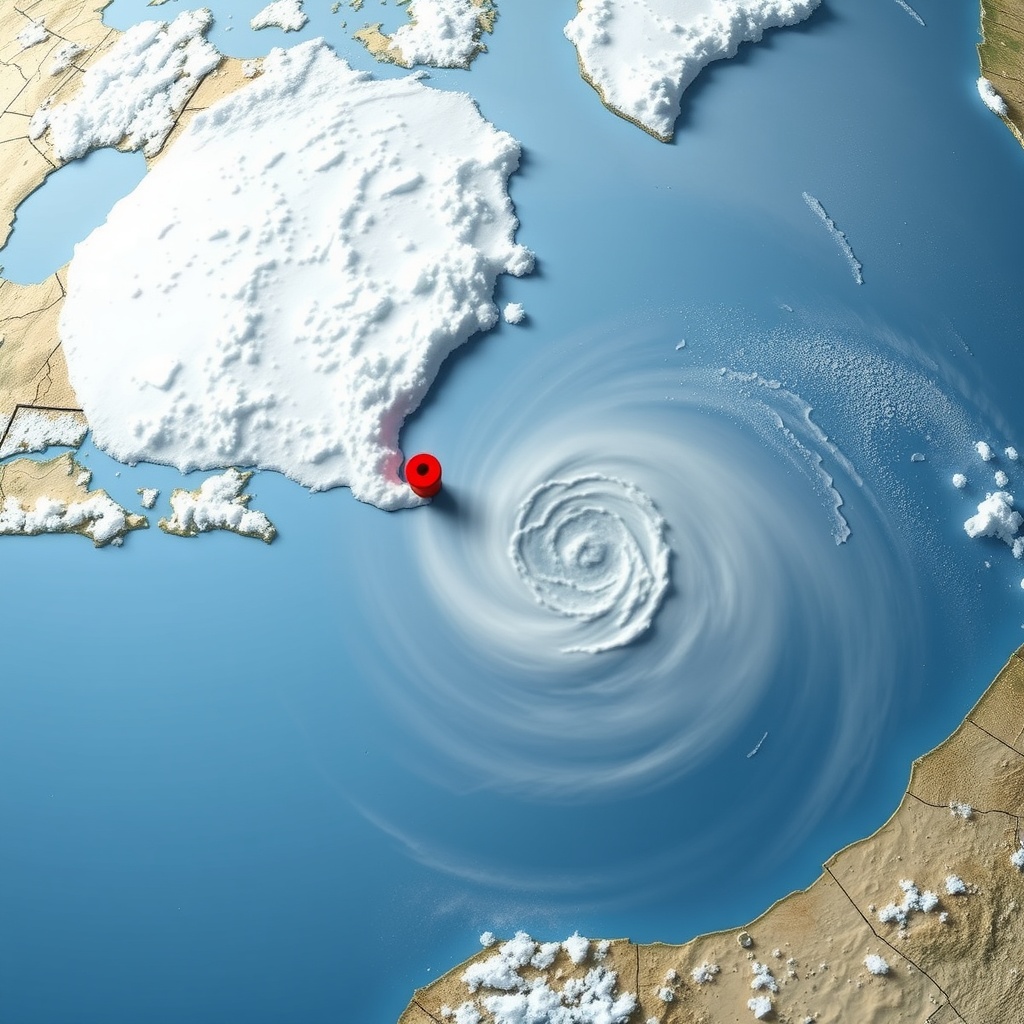
Maps from the NWS show that the storm will affect a wide range of states, including Illinois, Indiana, Michigan, Ohio, Pennsylvania, New York, and Massachusetts. The maps also indicate that the heaviest snowfall will occur in areas such as the Great Lakes, the Northeast, and the Mid-Atlantic. For example, Chicago is expected to receive up to 12 inches of snow, while New York City could see up to 8 inches. The storm is also expected to bring freezing temperatures, with wind chill values dropping as low as -20°F in some areas.
Impact on Transportation and Daily Life
The winter storm is expected to have a significant impact on transportation and daily life. Many airports have already announced flight cancellations and delays, and road travel is expected to be hazardous due to heavy snow and ice. The NWS has warned of potential whiteout conditions, with visibility reduced to near zero in some areas. Residents are advised to stay indoors and avoid travel unless absolutely necessary.
In addition to transportation disruptions, the storm is also expected to cause power outages and disruptions to daily life. Many schools and businesses have already announced closures, and residents are advised to stock up on food, water, and other essential supplies. The American Red Cross has also issued a statement, urging residents to take precautions and stay safe during the storm.
Preparation and Safety Measures
As the winter storm approaches, residents are advised to take necessary precautions to stay safe. The NWS has issued a list of safety tips, including:
- Staying indoors and avoiding travel unless absolutely necessary
- Stocking up on food, water, and other essential supplies
- Keeping phones and other devices charged
- Having a backup power source, such as a generator or flashlights
- Staying informed about weather conditions through local news and weather reports
Residents are also advised to take precautions to prevent hypothermia and frostbite. The Centers for Disease Control and Prevention (CDC) has issued guidelines on how to prevent and treat hypothermia and frostbite, including:
- Dressing warmly and staying dry
- Avoiding exposure to cold temperatures
- Staying active and moving around to keep blood flowing
- Seeking medical attention immediately if symptoms occur
Case Studies and Examples
There are many examples of winter storms that have had a significant impact on the United States. One notable example is the Blizzard of 1993, which affected 26 states and caused over 300 deaths. The blizzard brought heavy snow and high winds, causing widespread power outages and disruptions to transportation and daily life.
Another example is the Polar Vortex of 2014, which brought extremely cold temperatures to many parts of the country. The polar vortex caused temperatures to drop as low as -50°F in some areas, and resulted in over 20 deaths. The event highlighted the importance of preparation and safety measures during extreme weather events.
Statistics and Data
According to data from the NWS, winter storms are a significant threat to public safety and health. Each year, winter storms cause an average of 1,300 deaths and 116,800 injuries in the United States. The economic impact of winter storms is also significant, with an average annual cost of $3.5 billion.
In terms of snowfall, the United States averages around 28 inches of snow per year. However, some areas receive much more snow than others. For example, the state of Alaska receives an average of 102 inches of snow per year, while the state of Florida receives an average of just 0.2 inches.
Conclusion
In conclusion, the winter storm that is forecasted to bring heavy snow and brutal cold to nearly 30 states this weekend has the potential to be a life-threatening weather event. Residents are advised to take necessary precautions to stay safe, including staying indoors, stocking up on supplies, and staying informed about weather conditions. The storm is expected to have a significant impact on transportation and daily life, and residents should be prepared for potential power outages and disruptions.
As the storm approaches, it is essential to stay informed and up-to-date on the latest weather forecasts and warnings. The NWS and other weather agencies will continue to provide updates and advisories, and residents should stay tuned to local news and weather reports for the latest information. By taking necessary precautions and staying safe, residents can minimize the risks associated with the winter storm and stay safe until the weather improves.

Leave a comment