
Introduction
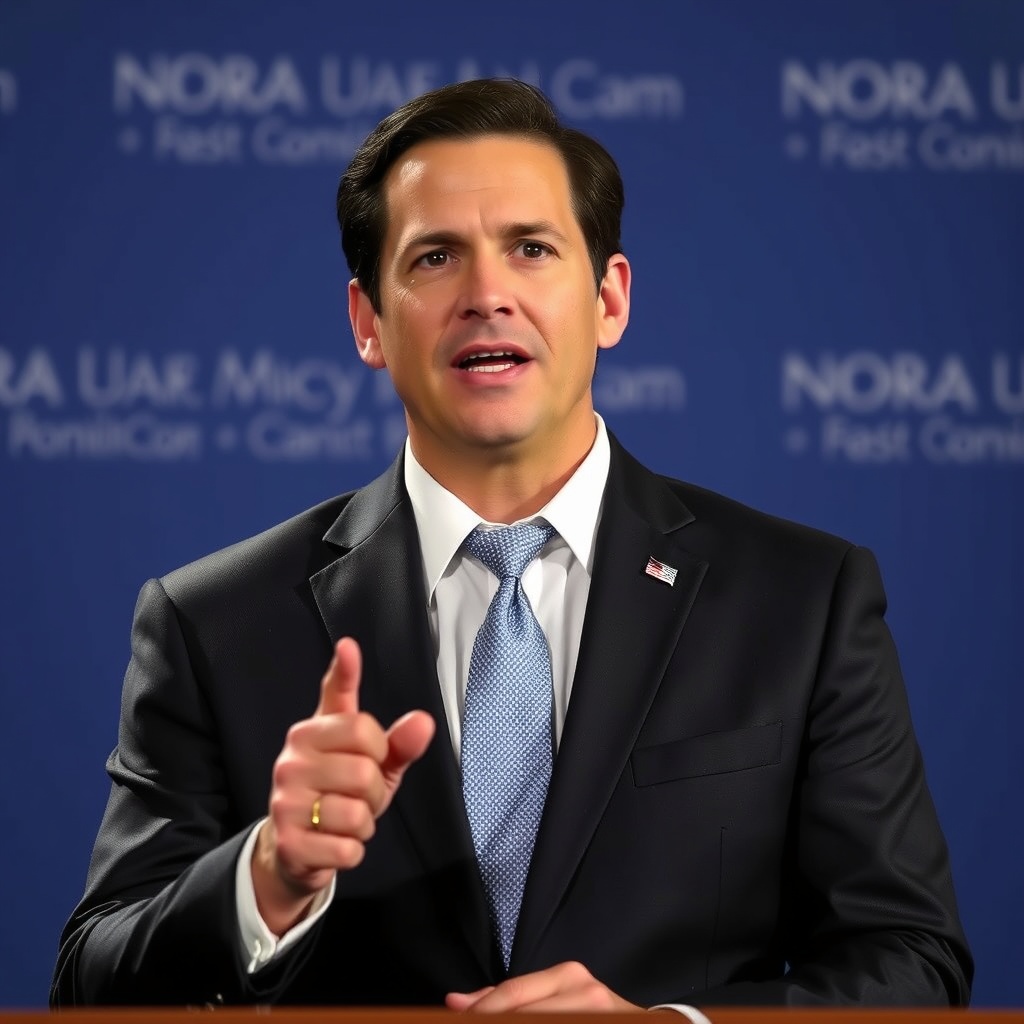
The situation in Venezuela has been a topic of concern for the international community for several years, with the country facing economic, political, and social crises. Recently, Secretary of State Marco Rubio testified before the Senate Foreign Relations Committee, providing an update on the Trump administration's approach to the Venezuelan crisis. During the hearing, Rubio faced intense scrutiny over the administration's military involvement in the country and its plans for a transition to a new government. In this article, we will delve into the details of Rubio's testimony, the current situation in Venezuela, and the challenges that lie ahead for a potential transition.
The Current Situation in Venezuela
Venezuela has been embroiled in a deepening crisis since the death of President Hugo Chavez in 2013. The country's economy has been in free fall, with hyperinflation, food and medicine shortages, and a significant decline in living standards. The political situation is also highly unstable, with President Nicolas Maduro's government facing opposition from a large segment of the population. The opposition has been calling for free and fair elections, but the Maduro government has resisted these demands, leading to widespread protests and violence.
The international community has been trying to find a solution to the crisis, with the United States, the European Union, and other countries imposing sanctions on the Maduro government. However, these efforts have had limited success, and the situation on the ground continues to deteriorate. According to the United Nations, over 4 million Venezuelans have fled the country since 2015, with many more expected to follow in the coming years.
The Trump Administration's Approach
The Trump administration has taken a tough stance on Venezuela, with Secretary of State Marco Rubio playing a key role in shaping the administration's policy. Rubio has been a vocal critic of the Maduro government, and has called for stronger action to be taken against the regime. During his testimony before the Senate Foreign Relations Committee, Rubio emphasized the need for a transition to a new government in Venezuela, but warned that this would not be a quick or easy process.
Rubio's testimony was met with skepticism by some senators, who questioned the administration's reliance on military pressure to bring about change in Venezuela. Others expressed concerns about the potential consequences of a transition, including the risk of violence and instability. Rubio acknowledged these risks, but argued that the current situation in Venezuela is unsustainable and that a transition is necessary to prevent further suffering and instability.
Challenges Ahead
A transition to a new government in Venezuela will be a complex and challenging process. The country's institutions are weak, and the opposition is divided and lacks a clear leader. The Maduro government still maintains control over the military and the security forces, and is likely to resist any attempts to remove it from power. According to a report by the International Crisis Group, the transition process will require a sustained effort from the international community, including the provision of financial and technical assistance to support the development of democratic institutions and the economy.
One of the key challenges will be to ensure that any transition is inclusive and representative of the Venezuelan people. The opposition has been calling for free and fair elections, but it is unclear whether these can be held in the current environment. The Maduro government has a history of manipulating the electoral process, and it is likely that any elections held under its supervision will be seen as illegitimate by the opposition and the international community.
Another challenge will be to address the economic and social crisis that has been unfolding in Venezuela. The country's economy is in shambles, and the population is suffering from severe shortages of food, medicine, and other essential goods. According to a report by the World Food Programme, over 9 million Venezuelans are in need of humanitarian assistance, with many more at risk of falling into poverty and hunger.
Case Study: The Role of the International Community
The international community has a critical role to play in supporting a transition to a new government in Venezuela. The United States, the European Union, and other countries have imposed sanctions on the Maduro government, but these efforts have had limited success. A more effective approach may be to provide financial and technical assistance to support the development of democratic institutions and the economy.
For example, the European Union has provided significant funding to support humanitarian efforts in Venezuela, including the provision of food, medicine, and other essential goods. The United States has also provided funding to support democratic institutions and the opposition, including the provision of training and technical assistance to support the development of a free and fair electoral process.
Statistics and Data
The situation in Venezuela is dire, with severe shortages of food, medicine, and other essential goods. According to the World Food Programme, over 9 million Venezuelans are in need of humanitarian assistance, with many more at risk of falling into poverty and hunger. The country's economy is also in shambles, with hyperinflation and a significant decline in living standards.
- Over 4 million Venezuelans have fled the country since 2015, with many more expected to follow in the coming years. (Source: United Nations)
- The Venezuelan economy has contracted by over 50% since 2013, with hyperinflation and a significant decline in living standards. (Source: International Monetary Fund)
- Over 9 million Venezuelans are in need of humanitarian assistance, with many more at risk of falling into poverty and hunger. (Source: World Food Programme)
Conclusion
The situation in Venezuela is complex and challenging, with a deepening economic, political, and social crisis. Secretary of State Marco Rubio's testimony before the Senate Foreign Relations Committee highlighted the need for a transition to a new government, but warned that this would not be a quick or easy process. The international community has a critical role to play in supporting a transition, including the provision of financial and technical assistance to support the development of democratic institutions and the economy.
As the situation in Venezuela continues to unfold, it is clear that a sustained effort will be required to support a transition to a new government. This will require a commitment from the international community to provide financial and technical assistance, as well as a willingness to work with the Venezuelan people to build a more democratic and prosperous future. The challenges ahead will be significant, but with the right approach, it is possible to build a better future for the people of Venezuela.

Leave a comment