
Introduction
A recent incident involving an errant live-fire blast over California's I-5 has sparked an investigation by the Marines. The incident occurred during a rehearsal for a demonstration that was set to be attended by high-ranking officials, including Vice President JD Vance and Defense Secretary Pete. The fact that artillery rounds were launched over a major freeway raises serious concerns about safety protocols and the potential risks to civilians. This article will delve into the details of the incident, the investigation, and the broader implications for military training and safety.
Background and Incident Details
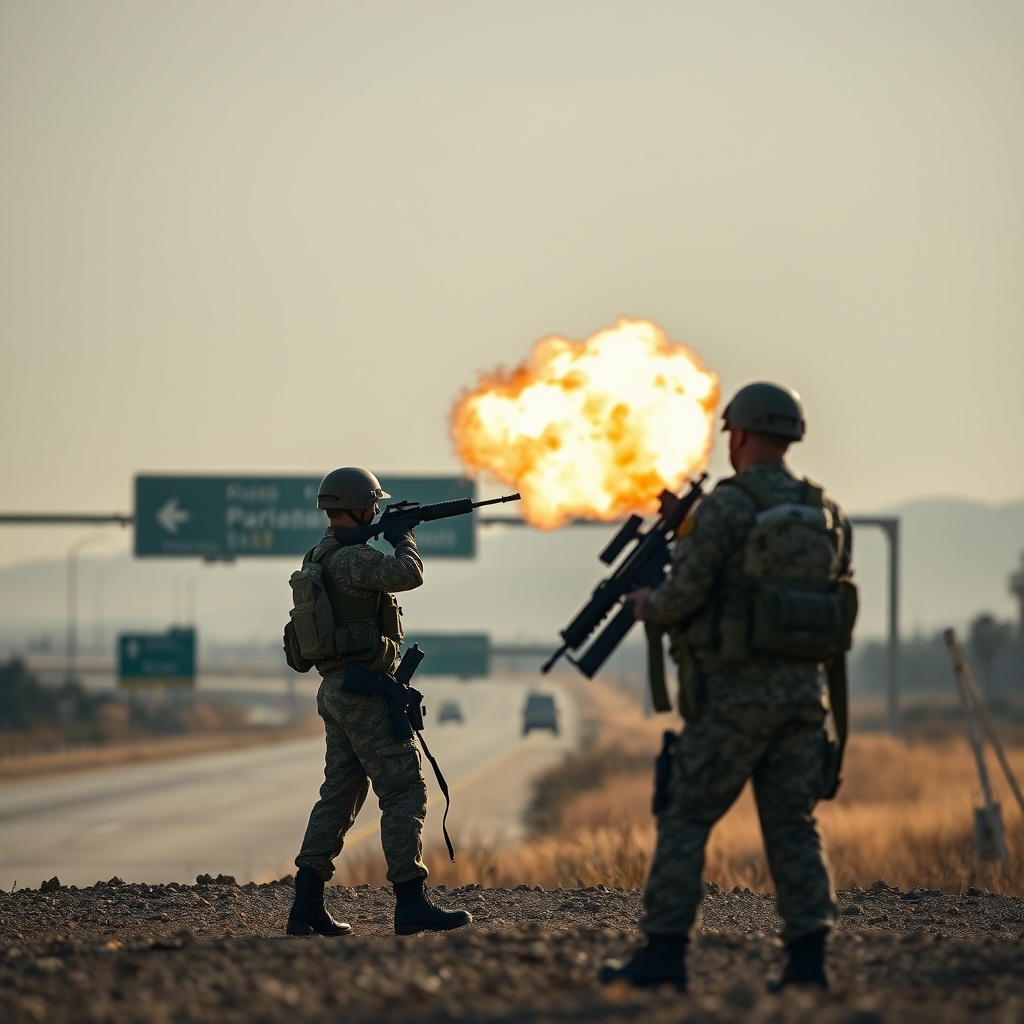
The incident in question involved a live-fire exercise by the Marines, which somehow went awry, resulting in artillery rounds being fired over Interstate 5 in California. This major freeway is a critical transportation artery, and the fact that live ammunition was fired over it poses significant risks to the safety of the public. The rehearsal was part of a demonstration intended to showcase military capabilities, with Vice President JD Vance and Defense Secretary Pete among the dignitaries scheduled to attend. The presence of such high-profile guests underscores the seriousness of the incident and the potential embarrassment it could cause for the military and the government.
The incident highlights the importance of rigorous safety protocols during military training exercises, especially when they involve live ammunition. The Marines have launched an investigation into the matter, which will likely focus on how the incident occurred, the safety measures that were in place, and how such incidents can be prevented in the future. This investigation is crucial not only for determining the cause of the errant blast but also for reassuring the public that the military takes the safety of civilians seriously.
Safety Protocols and Military Training
Military training, especially exercises involving live fire, requires meticulous planning and the implementation of stringent safety protocols. These protocols are designed to minimize risks to both military personnel and civilians. The fact that artillery rounds were fired over a populated area like I-5 indicates a potential failure in these protocols. The investigation will need to examine whether there were lapses in planning, execution, or communication that led to the incident.
The military has a robust set of guidelines and regulations governing live-fire exercises, including the need for thorough risk assessments, clear communication among all parties involved, and the establishment of safety zones to protect civilians and non-participating military personnel. However, the incident over I-5 suggests that these protocols may not have been followed as strictly as they should have been, or there may have been unforeseen circumstances that led to the errant blast.
Examples and Statistics
Incidents involving military training exercises gone wrong are not uncommon, though they are relatively rare. For instance, there have been cases where military aircraft have strayed from designated training areas, posing risks to civilian air traffic. Similarly, there have been incidents of unexploded ordnance being left behind after training exercises, which can pose long-term risks to local populations. According to some statistics, the frequency of such incidents has been decreasing over the years, thanks to improved safety measures and technology. However, each incident serves as a reminder of the importance of vigilance and the need for continuous improvement in safety protocols.
Investigation and Potential Outcomes
The investigation into the incident over I-5 will be critical in determining what went wrong and how to prevent similar incidents in the future. The Marines, along with other relevant authorities, will likely scrutinize every aspect of the training exercise, from planning to execution. This will include reviewing communication records, interviewing personnel involved, and analyzing any available footage or data from the incident.
Potential outcomes of the investigation could include changes to how live-fire exercises are conducted, especially in proximity to populated areas. There could also be a review of the safety protocols in place, potentially leading to updates or enhancements to ensure that such incidents are minimized. Additionally, there may be disciplinary actions taken against individuals found to be responsible for any lapses in safety or protocol.
The incident also raises broader questions about the balance between military readiness and public safety. The military must ensure that its training exercises are realistic and effective in preparing troops for combat, while also protecting the safety of civilians. This balance is not always easy to achieve, and incidents like the one over I-5 highlight the challenges involved.
Conclusion
The incident involving an errant live-fire blast over California's I-5 during a Marine Corps training exercise is a serious matter that underscores the importance of safety protocols in military training. The investigation into this incident will be crucial in identifying what went wrong and in implementing measures to prevent such incidents in the future. As the military continues to evolve and face new challenges, the need for rigorous safety protocols will only continue to grow. The public's trust in the military's ability to conduct safe and responsible training exercises is paramount, and incidents like this one serve as a reminder of the constant vigilance required to maintain that trust.
Looking to the future, the military must prioritize the development and implementation of advanced safety technologies and protocols. This could include more sophisticated targeting systems, enhanced communication networks, and more rigorous risk assessment tools. Additionally, there must be a cultural shift within the military towards a zero-tolerance policy for safety lapses, ensuring that every individual understands the gravity of their role in maintaining safety standards.
Ultimately, the safety of both military personnel and civilians is a collective responsibility that requires the commitment of everyone involved in military training and operations. As the investigation into the I-5 incident continues, it serves as a stark reminder of the importance of this responsibility and the need for continuous improvement in safety protocols to prevent such incidents from occurring in the future.

Leave a comment