
Introduction
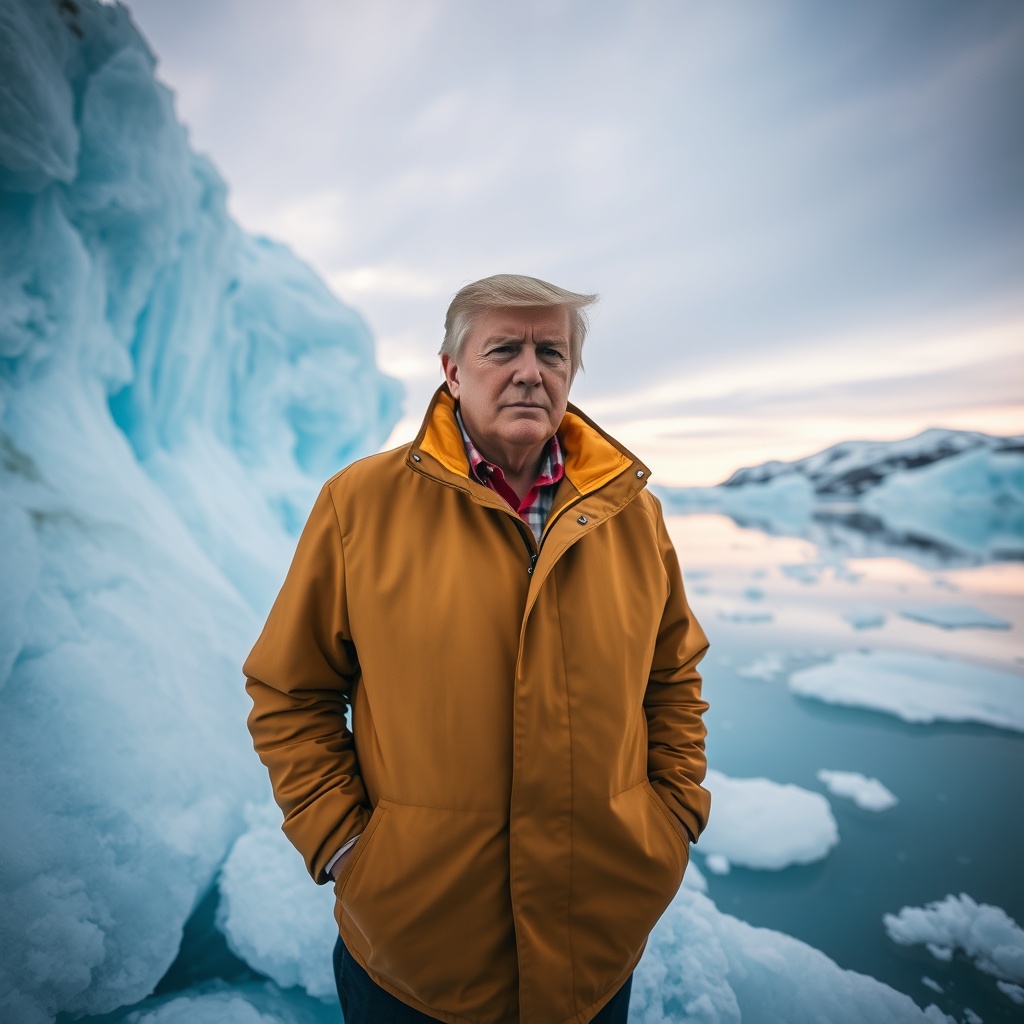
The Arctic region has been at the forefront of global attention in recent years, and for good reason. The rapid melting of ice in the region is not only a pressing environmental concern but also has significant implications for geopolitics. One of the most notable examples of this is the increased interest in Greenland, the world's largest island, which has been the subject of a high-profile dispute between the United States and Denmark. In 2019, former President Donald Trump sparked controversy when he expressed interest in purchasing Greenland from Denmark, citing its strategic location. While the proposal was met with skepticism and ultimately rejected, it highlighted the growing importance of the region and the potential for future conflicts over its resources and territory. In this article, we will explore the reasons behind the increased interest in Greenland, the impact of melting ice on the region's geopolitics, and what the future may hold for this strategically located territory.
The Strategic Importance of Greenland
Greenland is a vast and sparsely populated island, with a total area of approximately 2.2 million square kilometers. Despite its remote location, Greenland is of significant strategic importance due to its proximity to the Arctic Circle and its access to the North Atlantic Ocean. The island is situated at the mouth of the Davis Strait, which connects the Atlantic Ocean to the Arctic Ocean, making it a crucial location for maritime trade and naval operations. Additionally, Greenland is home to several key military installations, including the Thule Air Base, which is operated by the United States. The base serves as a critical hub for US military operations in the Arctic region and provides a strategic location for monitoring and responding to potential threats from Russia and other nations.
The melting of ice in the Arctic region is also revealing new opportunities for resource extraction, including oil, gas, and minerals. Greenland is believed to have significant reserves of these resources, which could make it an attractive location for investment and development. According to a report by the US Geological Survey, the Arctic region is estimated to hold approximately 13% of the world's undiscovered oil reserves and 30% of its undiscovered gas reserves. The report also notes that the region is home to significant deposits of minerals, including iron, copper, and zinc. As the ice melts and access to these resources becomes easier, the value of Greenland as a strategic location is likely to increase, making it a more attractive target for investment and potential conflicts.
The Impact of Melting Ice on Geopolitics
The melting of ice in the Arctic region is having a profound impact on geopolitics, with significant implications for international relations and global security. As the ice melts, new shipping lanes are opening up, providing faster and more efficient routes for trade and commerce. The Northwest Passage, which runs through the Canadian Arctic Archipelago, is one example of a shipping lane that is becoming increasingly navigable. According to a report by the National Snow and Ice Data Center, the Northwest Passage has been ice-free for several weeks during the summer months in recent years, allowing for increased shipping traffic and reducing the need for longer routes through the Panama Canal.
The melting of ice is also revealing new opportunities for resource extraction, as mentioned earlier. However, this is also creating new challenges and tensions between nations. The Arctic region is home to several countries, including the United States, Canada, Russia, and Norway, each of which has its own interests and claims in the region. As the ice melts and access to resources becomes easier, the potential for conflicts over territory and resources is increasing. According to a report by the Center for Strategic and International Studies, the Arctic region is likely to become a key area of competition between nations in the coming years, with potential flashpoints including disputes over territorial claims, resource extraction, and environmental protection.
The Future of Greenland and the Arctic Region
As the melting of ice in the Arctic region continues, the value of Greenland as a strategic location is likely to increase. The island's proximity to the Arctic Circle, its access to the North Atlantic Ocean, and its potential for resource extraction make it an attractive location for investment and development. However, this also creates new challenges and tensions between nations, as countries compete for influence and access to the region's resources.
In the coming years, we can expect to see increased investment and development in the Arctic region, including the construction of new infrastructure, such as ports and shipping lanes, and the extraction of resources, including oil, gas, and minerals. However, this must be balanced with the need to protect the region's fragile environment and to respect the rights and interests of indigenous communities. According to a report by the Arctic Council, the region is home to approximately 4 million people, including indigenous communities, who are heavily dependent on the region's natural resources for their livelihoods.
In conclusion, the melting of ice in the Arctic region is having a profound impact on geopolitics, with significant implications for international relations and global security. The increased interest in Greenland, sparked by former President Trump's proposal to purchase the island, highlights the growing importance of the region and the potential for future conflicts over its resources and territory. As the ice continues to melt and access to the region's resources becomes easier, the value of Greenland as a strategic location is likely to increase, making it a key area of competition between nations in the coming years. It is essential that nations work together to protect the region's fragile environment, respect the rights and interests of indigenous communities, and promote sustainable development and cooperation in the region.
The future of the Arctic region and Greenland is uncertain, but one thing is clear: the melting of ice is creating new opportunities and challenges that will require careful management and cooperation between nations. As we look to the future, it is essential that we prioritize sustainable development, environmental protection, and respect for the rights and interests of indigenous communities. By working together, we can promote peace, stability, and prosperity in the region, and ensure that the benefits of the Arctic's natural resources are shared equitably among all nations.
In the years to come, we can expect to see increased diplomatic efforts to address the challenges and opportunities presented by the melting of ice in the Arctic region. This may include the development of new international agreements and frameworks, such as the Arctic Council's Framework for Action on Black Carbon and Methane, which aims to reduce the impact of black carbon and methane emissions on the region's climate. Additionally, we can expect to see increased investment in sustainable development and environmental protection, including the construction of new infrastructure, such as wind farms and green buildings, and the promotion of eco-tourism and sustainable resource extraction.
Ultimately, the future of the Arctic region and Greenland will depend on our ability to balance the need for economic development and resource extraction with the need to protect the region's fragile environment and respect the rights and interests of indigenous communities. By working together and prioritizing sustainable development, environmental protection, and cooperation, we can promote a peaceful and prosperous future for the region, and ensure that the benefits of the Arctic's natural resources are shared equitably among all nations.
The importance of the Arctic region and Greenland cannot be overstated, and it is essential that we take a proactive and cooperative approach to addressing the challenges and opportunities presented by the melting of ice. By doing so, we can promote a brighter future for the region, and ensure that the benefits of the Arctic's natural resources are shared by all.
The role of international cooperation and diplomacy will be crucial in addressing the challenges and opportunities presented by the melting of ice in the Arctic region. The Arctic Council, which is a high-level intergovernmental forum that aims to promote cooperation and coordination among the eight Arctic states, will play a key role in promoting sustainable development, environmental protection, and respect for the rights and interests of indigenous communities. Additionally, the United Nations will play a crucial role in promoting international cooperation and diplomacy, and in addressing the global implications of the melting of ice in the Arctic region.
In the final analysis, the melting of ice in the Arctic region presents both opportunities and challenges, and it is essential that we take a proactive and cooperative approach to addressing these challenges and promoting sustainable development, environmental protection, and respect for the rights and interests of indigenous communities. By working together, we can promote a peaceful and prosperous future for the region, and ensure that the benefits of the Arctic's natural resources are shared equitably among all nations.
The need for sustainable development and environmental protection in the Arctic region cannot be overstated, and it is essential that we take a proactive and cooperative approach to addressing the challenges presented by the melting of ice. This will require significant investment in new infrastructure, including wind farms, green buildings, and sustainable transportation systems, as well as increased support for eco-tourism and sustainable resource extraction. Additionally, it will require a commitment to reducing greenhouse gas emissions and mitigating the impacts of climate change, which will have significant implications for the region's fragile environment and the livelihoods of indigenous communities.
The benefits of sustainable development and environmental protection in the Arctic region are clear, and it is essential that we prioritize these goals in our efforts to address the challenges presented by the melting of ice. By doing so, we can promote a peaceful and prosperous future for the region, and ensure that the benefits of the Arctic's natural resources are shared equitably among all nations.
The future of the Arctic region and Greenland is uncertain, but one thing is clear: the melting of ice is creating new opportunities and challenges that will require careful management and cooperation between nations. As we look to the future, it is essential that we prioritize sustainable development, environmental protection, and respect for the rights and interests of indigenous communities. By working together, we can promote peace, stability, and prosperity in the region, and ensure that the benefits of the Arctic's natural resources are shared equitably among all nations.
Conclusion
In conclusion, the melting of ice in the Arctic region is having a profound impact on geopolitics, with significant implications for international relations and global security. The increased interest in Greenland, sparked by former President Trump's proposal to purchase the island, highlights the growing importance of the region and the potential for future conflicts over its resources and territory. As the ice continues to melt and access to the region's resources becomes easier, the value of Greenland as a strategic location is likely to increase, making it a key area of competition between nations in the coming years. It is essential that nations work together to protect the region's fragile environment, respect the rights and interests of indigenous communities, and promote sustainable development and cooperation in the region. By prioritizing these goals, we can promote a peaceful and prosperous future for the Arctic region and Greenland, and ensure that the benefits of the region's natural resources are shared equitably among all nations.

Leave a comment