
Introduction
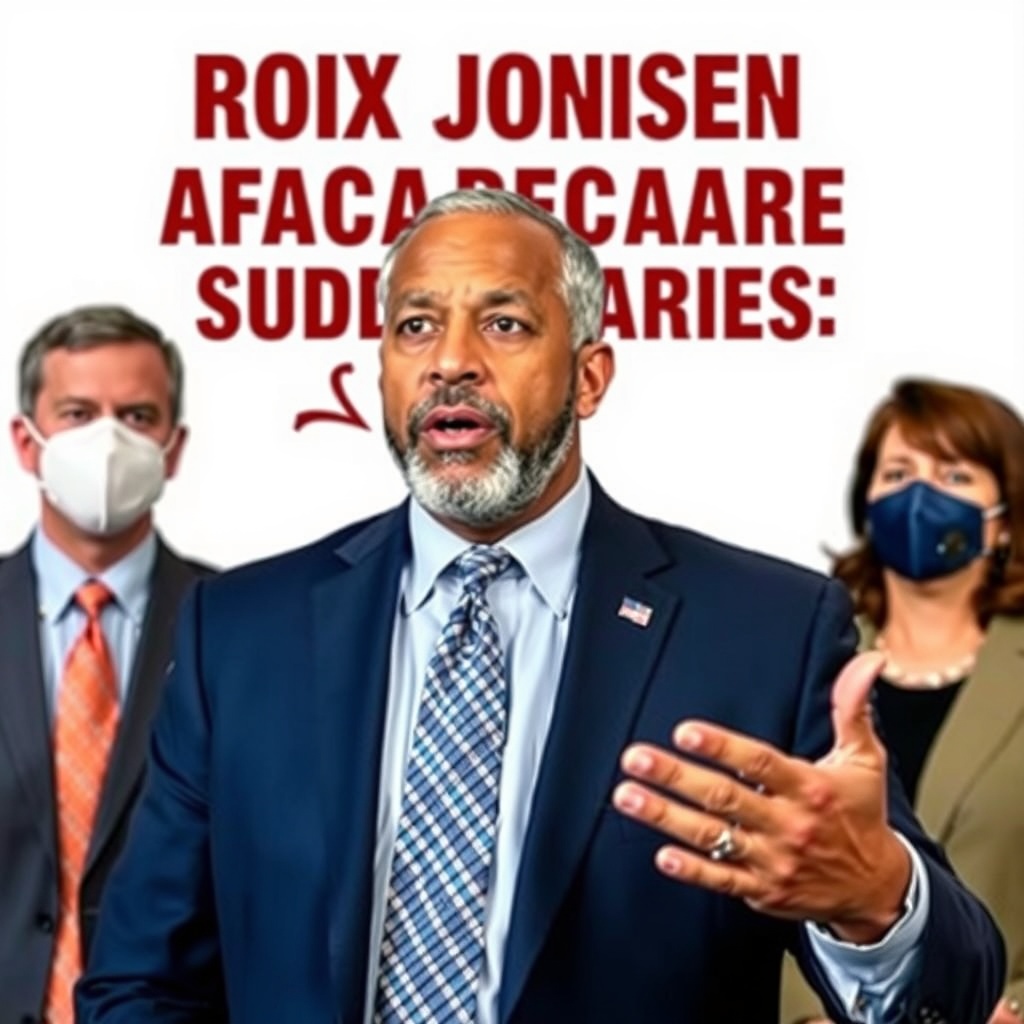
The Affordable Care Act, commonly referred to as Obamacare, has been a contentious issue in American politics since its inception in 2010. The law, which provides health insurance to millions of Americans, has been the subject of numerous attempts to repeal or dismantle it by Republican lawmakers. Recently, a group of vulnerable House Republicans confronted Speaker Mike Johnson over the expiring Obamacare health insurance subsidies, highlighting the ongoing debate and tension within the Republican Party regarding healthcare policy. This article will delve into the details of the confrontation, the history of Obamacare, and the implications of the expiring subsidies.
The Confrontation: A Reflection of Intraparty Tensions
On Wednesday, a group of moderate House Republicans met with Speaker Mike Johnson to express their concerns about the expiring Obamacare subsidies. The subsidies, which are set to expire at the end of 2025, provide financial assistance to low- and middle-income individuals and families to purchase health insurance through the Affordable Care Act's marketplaces. The moderates, who are facing tough re-election battles in 2026, are worried that allowing the subsidies to expire will hurt their constituents and damage their chances of re-election.
The confrontation is a reflection of the ongoing tensions within the Republican Party regarding healthcare policy. While some Republicans, such as Speaker Johnson, have been vocal about their opposition to Obamacare and have advocated for its repeal, others have taken a more nuanced approach, recognizing the importance of the law's provisions, including the subsidies, in providing healthcare to millions of Americans. The moderates, who are often from swing districts, are caught in the middle, trying to balance their loyalty to their party with their responsibility to represent their constituents.
According to a report by the Kaiser Family Foundation, the expiring subsidies will affect over 10 million people who receive financial assistance to purchase health insurance through the Affordable Care Act's marketplaces. The report also notes that the average monthly premium for a benchmark plan will increase by 53% if the subsidies are allowed to expire. This would make health insurance unaffordable for many people, particularly those with low incomes.
The History of Obamacare: A Complex and Contentious Issue
The Affordable Care Act, also known as Obamacare, was signed into law by President Barack Obama in 2010. The law aimed to increase healthcare accessibility and affordability for millions of Americans. It achieved this through several key provisions, including:
- The expansion of Medicaid to cover more low-income individuals and families
- The creation of health insurance marketplaces where individuals and small businesses can purchase health insurance
- The provision of subsidies to low- and middle-income individuals and families to help them afford health insurance
- The prohibition of insurance companies from denying coverage to people with pre-existing conditions
Despite its achievements, Obamacare has been the subject of intense controversy and opposition from Republicans, who have argued that it is too expensive, too bureaucratic, and too intrusive. The law has been the target of numerous repeal attempts, including a failed effort by the Trump administration to repeal and replace it with the American Health Care Act (AHCA) in 2017.
However, Obamacare has also had its successes. According to a report by the Centers for Medicare and Medicaid Services (CMS), the law has led to a significant decrease in the number of uninsured Americans, from 48.6 million in 2010 to 28.5 million in 2020. The law has also improved healthcare outcomes, with a study by the Journal of the American Medical Association (JAMA) finding that the expansion of Medicaid under Obamacare has led to a significant reduction in mortality rates among low-income individuals.
The Implications of Expiring Subsidies: A Looming Healthcare Crisis
If the Obamacare subsidies are allowed to expire, it will have significant implications for the healthcare system and the millions of Americans who rely on the Affordable Care Act for health insurance. The expiration of the subsidies will lead to a sharp increase in healthcare premiums, making health insurance unaffordable for many people. This will result in a significant increase in the number of uninsured Americans, which will have serious consequences for public health and the economy.
A study by the Urban Institute found that if the subsidies are allowed to expire, the number of uninsured Americans will increase by 4.8 million, and the average monthly premium for a benchmark plan will increase by 53%. The study also notes that the expiration of the subsidies will disproportionately affect low- and middle-income individuals and families, who are already struggling to make ends meet.
Furthermore, the expiration of the subsidies will also have significant implications for the healthcare industry. Hospitals and healthcare providers will see a significant increase in uncompensated care, which will put a strain on their resources and finances. This will lead to a decrease in the quality of care provided to patients, particularly those who are uninsured or underinsured.
In conclusion, the confrontation between Speaker Mike Johnson and the moderate House Republicans over the expiring Obamacare subsidies highlights the ongoing debate and tension within the Republican Party regarding healthcare policy. The history of Obamacare is complex and contentious, and the implications of the expiring subsidies are significant. As the country moves forward, it is essential that lawmakers work together to find a solution that provides affordable and accessible healthcare to all Americans.
Conclusion
The debate over Obamacare and the expiring subsidies is a complex and contentious issue that requires a nuanced and thoughtful approach. While there are valid arguments on both sides, it is essential to prioritize the needs of the American people and ensure that they have access to affordable and quality healthcare. As the country moves forward, it is crucial that lawmakers work together to find a solution that provides healthcare to all Americans, regardless of their income or social status. The future of healthcare in America depends on it.
In the coming months and years, lawmakers will need to work together to address the looming healthcare crisis and find a solution that provides affordable and accessible healthcare to all Americans. This will require a willingness to compromise and work across party lines, as well as a commitment to putting the needs of the American people above partisan politics. Ultimately, the goal should be to create a healthcare system that is fair, equitable, and accessible to all, regardless of income or social status.
The expiration of the Obamacare subsidies is a wake-up call for lawmakers to take action and address the looming healthcare crisis. It is an opportunity for them to work together and find a solution that provides affordable and quality healthcare to all Americans. As the country moves forward, it is essential that lawmakers prioritize the needs of the American people and ensure that they have access to the healthcare they need to thrive.
In addition to addressing the expiring subsidies, lawmakers should also focus on improving the overall healthcare system. This includes increasing funding for healthcare programs, expanding access to healthcare services, and reducing healthcare costs. It also includes addressing the social determinants of health, such as poverty, housing, and education, which have a significant impact on health outcomes.
Ultimately, the goal of healthcare policy should be to provide affordable and quality healthcare to all Americans, regardless of their income or social status. This requires a comprehensive and nuanced approach that addresses the complex and interconnected issues that affect healthcare outcomes. By working together and prioritizing the needs of the American people, lawmakers can create a healthcare system that is fair, equitable, and accessible to all.
The future of healthcare in America is uncertain, but one thing is clear: lawmakers must work together to address the looming healthcare crisis and provide affordable and quality healthcare to all Americans. The expiration of the Obamacare subsidies is a wake-up call for lawmakers to take action and find a solution that prioritizes the needs of the American people. As the country moves forward, it is essential that lawmakers work together to create a healthcare system that is fair, equitable, and accessible to all.
In the end, the debate over Obamacare and the expiring subsidies is not just about politics or policy; it is about people's lives. It is about ensuring that Americans have access to the healthcare they need to thrive. It is about creating a healthcare system that is fair, equitable, and accessible to all. As lawmakers move forward, they must remember that the goal of healthcare policy is to provide affordable and quality healthcare to all Americans, regardless of their income or social status. By working together and prioritizing the needs of the American people, lawmakers can create a healthcare system that is worthy of the country's values and ideals.

Leave a comment