
Introduction
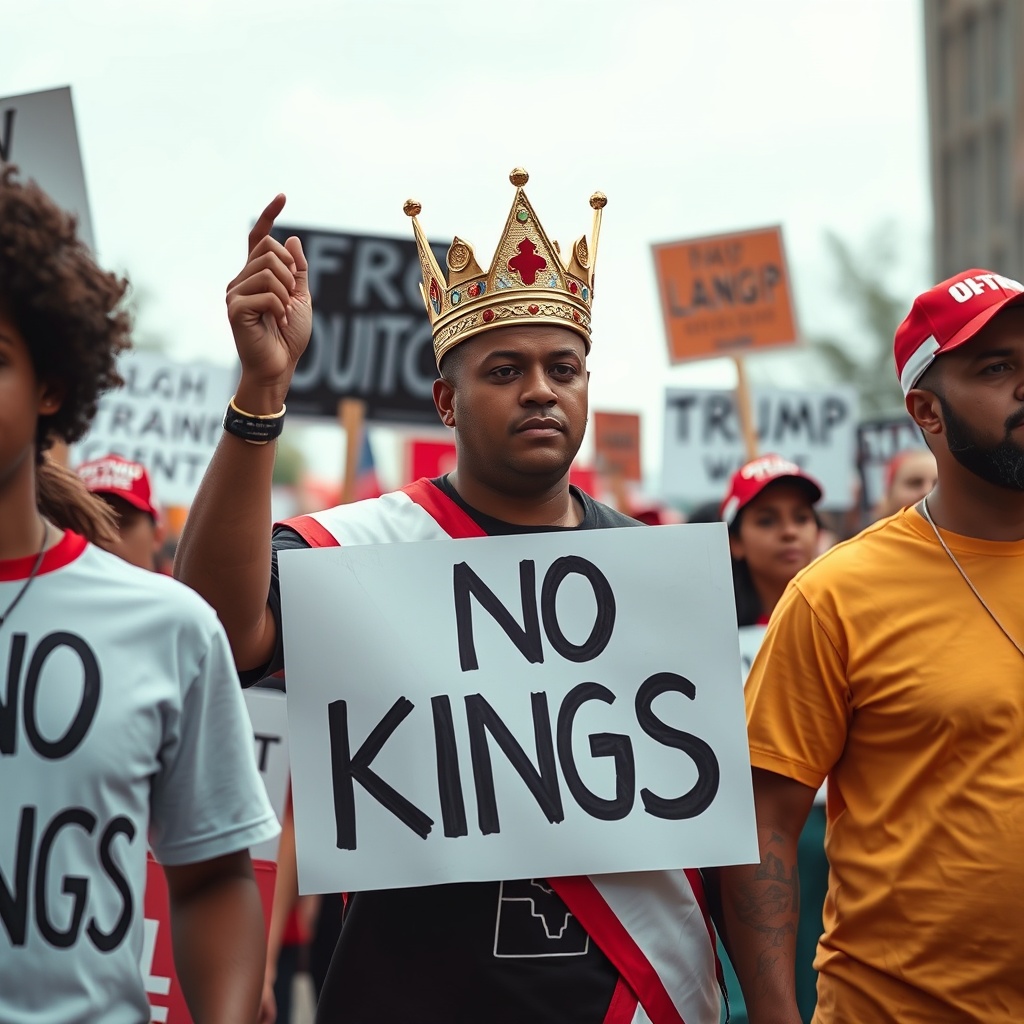
The United States is on the brink of a massive wave of protests, with millions of people expected to take to the streets across all 50 states to participate in the No Kings protests against President Trump. The protests, which are scheduled to take place in over 2700 locations, from small towns to large cities, are a testament to the growing concern among Americans that the country is sliding into authoritarianism. The message behind the No Kings protests is clear: the United States is a democracy, not a monarchy, and the people will not stand idly by while their rights and freedoms are eroded. In this article, we will delve into the background and significance of the No Kings protests, explore the issues that are driving this movement, and examine the potential impact of these protests on the future of American politics.
The Background and Significance of the No Kings Protests
The No Kings protests are not just a reaction to the policies of the current administration, but a response to a broader trend of authoritarianism that has been growing in the United States over the past few years. The protests are a culmination of concerns about the erosion of democratic norms, the suppression of dissent, and the concentration of power in the hands of a few individuals. The message of the No Kings protests is simple yet powerful: the United States is a democracy, and the people will not be silenced or intimidated by those in power. The protests are expected to draw millions of people from all walks of life, including students, workers, activists, and concerned citizens who are determined to make their voices heard.
According to a recent survey, over 70% of Americans believe that the country is heading in the wrong direction, and a majority of respondents expressed concern about the state of democracy in the United States. The No Kings protests are a manifestation of this concern, and a testament to the enduring power of grassroots activism in American politics. The protests are also a reminder that the United States is a nation of immigrants, and that the diversity and inclusivity that have always defined American society are under threat. As one protester noted, "We are not just marching against Trump, we are marching for a better future, a future that is more just, more equal, and more democratic."
The Issues Driving the No Kings Protests
The No Kings protests are driven by a range of issues, from concerns about climate change and economic inequality to worries about racial justice and voter suppression. At the heart of the protests, however, is a deep-seated concern about the erosion of democratic norms and the concentration of power in the hands of a few individuals. The protests are a response to the growing sense that the United States is sliding into authoritarianism, and that the rights and freedoms of citizens are under threat. As one activist noted, "We are seeing a systematic attack on our democracy, from the suppression of voting rights to the intimidation of journalists and activists. The No Kings protests are a way of saying that we will not stand for this, that we will fight for our democracy and for our rights."
The issues driving the No Kings protests are complex and multifaceted, and reflect a deep-seated concern about the direction of the country. Some of the key issues include:
- Climate change: The United States is one of the largest emitters of greenhouse gases, and the current administration has rolled back numerous environmental regulations and withdrawn from international agreements aimed at reducing carbon emissions. The No Kings protests are a call to action on climate change, and a demand for a more sustainable and equitable energy policy.
- Economic inequality: The United States is one of the wealthiest countries in the world, but it also has some of the highest levels of economic inequality. The No Kings protests are a response to the growing wealth gap, and a demand for a more progressive tax system and a higher minimum wage.
- Racial justice: The United States has a long history of racial injustice, from slavery and segregation to police brutality and mass incarceration. The No Kings protests are a call to action on racial justice, and a demand for an end to systemic racism and police violence.
- Voter suppression: The United States has a long history of voter suppression, from literacy tests and poll taxes to voter ID laws and gerrymandering. The No Kings protests are a response to the growing concern about voter suppression, and a demand for a more democratic and inclusive electoral system.
The Potential Impact of the No Kings Protests
The No Kings protests have the potential to be a watershed moment in American politics, a moment when the people come together to demand a more just and equitable society. The protests are a reminder that democracy is not just a system of government, but a way of life, and that the people have the power to shape their own destiny. As one protester noted, "We are not just marching against Trump, we are marching for a better future, a future that is more just, more equal, and more democratic."
The potential impact of the No Kings protests is significant, and could include:
- A shift in public opinion: The No Kings protests could help to shift public opinion on key issues, from climate change and economic inequality to racial justice and voter suppression. By bringing attention to these issues and mobilizing public support, the protests could help to create a more progressive and inclusive political agenda.
- A surge in activism: The No Kings protests could help to inspire a new wave of activism and grassroots organizing, as people become more engaged and motivated to take action on the issues that matter to them. This could lead to a more vibrant and diverse civil society, and a more robust and resilient democracy.
- A challenge to authoritarianism: The No Kings protests are a direct challenge to the growing trend of authoritarianism in the United States, and a reminder that the people will not be silenced or intimidated by those in power. By standing up to authoritarianism and demanding a more democratic and inclusive society, the protests could help to create a more just and equitable future for all.
Conclusion
The No Kings protests are a significant moment in American politics, a moment when the people come together to demand a more just and equitable society. The protests are a reminder that democracy is not just a system of government, but a way of life, and that the people have the power to shape their own destiny. As the United States continues to grapple with the challenges of the 21st century, from climate change and economic inequality to racial justice and voter suppression, the No Kings protests are a call to action, a reminder that the people will not stand idly by while their rights and freedoms are eroded. The future of American politics is uncertain, but one thing is clear: the No Kings protests will be a defining moment in the struggle for a more just and equitable society, and a testament to the enduring power of grassroots activism in American politics.

Leave a comment