
Introduction
On Saturday, January 17, 2026, Minneapolis witnessed a significant gathering of right-wing protesters, which in turn drew a large group of counter-demonstrators. The event was marked by heightened tensions, with the city's law enforcement agencies working to maintain order and prevent any potential clashes between the two groups. The protest was part of a larger national conversation about increased federal immigration enforcement in Minnesota, with many in the community expressing concerns about the impact on local families and businesses. In this article, we will delve into the details of the protest, the counter-demonstration, and the broader context of immigration enforcement in Minnesota.
Background on Immigration Enforcement in Minnesota
Minnesota has long been a state with a strong tradition of welcoming immigrants and refugees. However, in recent years, the state has seen an increase in federal immigration enforcement actions, which have sparked controversy and concern among many in the community. The enforcement actions have included raids on businesses, arrests of undocumented immigrants, and an overall increase in the presence of Immigration and Customs Enforcement (ICE) agents in the state.
According to data from the American Immigration Council, Minnesota is home to approximately 225,000 undocumented immigrants, who make up about 4% of the state's population. These individuals are an integral part of the state's economy, with many working in industries such as agriculture, healthcare, and construction. However, the increased enforcement actions have created a climate of fear and uncertainty among many in the immigrant community, with some reporting that they are afraid to leave their homes or seek medical care due to the risk of being detained or deported.
The Right-Wing Protest and Counter-Demonstration
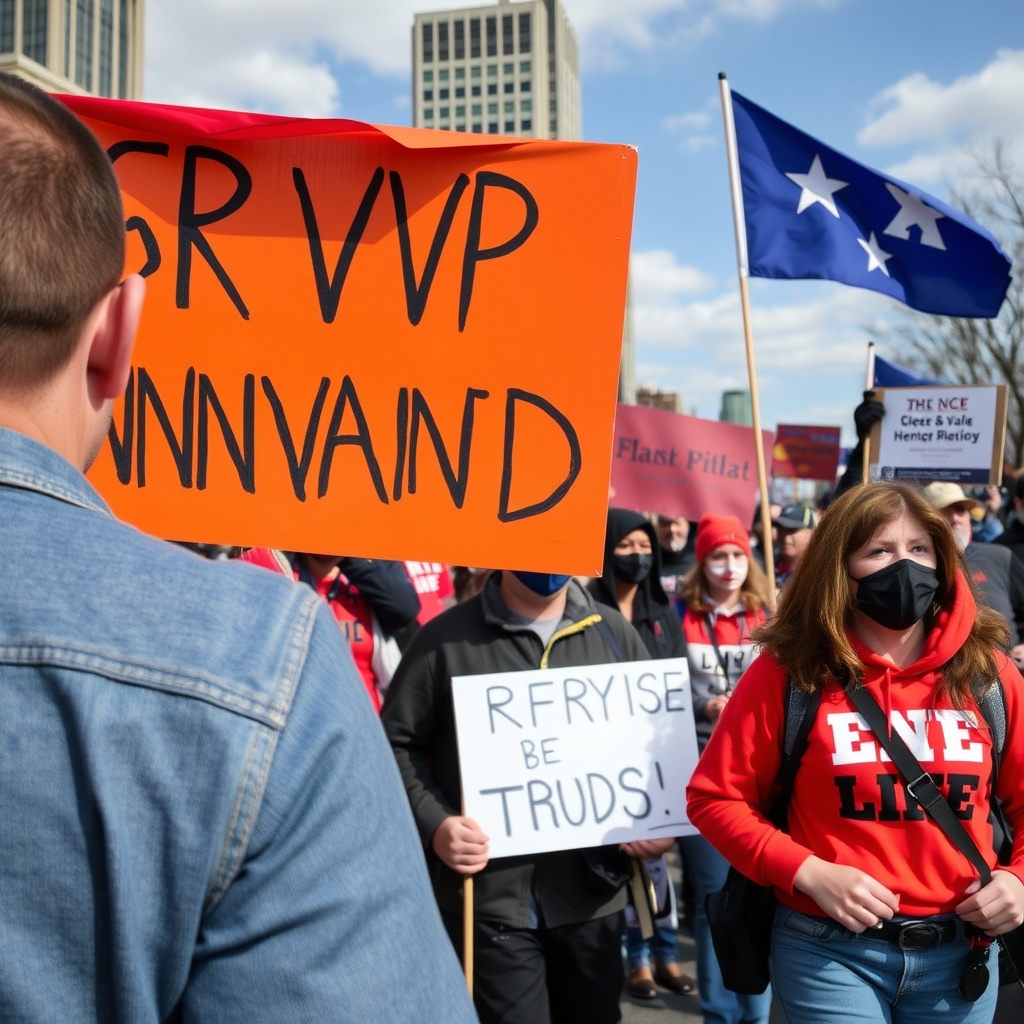
The right-wing protest in Minneapolis was organized by a group of individuals who support increased immigration enforcement and tighter border security. The group, which numbered in the hundreds, gathered in a downtown park and marched through the streets, carrying signs and banners with messages such as "Build the Wall" and "Deport Illegals." The protesters were met by a large group of counter-demonstrators, who outnumbered them by at least two to one.
The counter-demonstrators, who included members of local immigrant rights groups, labor unions, and faith organizations, carried signs and banners with messages such as "Welcome Refugees" and "No Human is Illegal." The counter-demonstrators also included many local residents who were concerned about the impact of increased immigration enforcement on their communities.
Despite the tensions between the two groups, the event remained largely peaceful, with only a few minor scuffles reported. The Minneapolis Police Department was out in force, with officers in riot gear deployed to separate the two groups and prevent any potential clashes. The police department also set up barricades and closed off several streets to traffic in an effort to maintain order and ensure public safety.
Community Response and Reaction
The protest and counter-demonstration in Minneapolis were widely covered in the local media, with many in the community expressing concern and outrage over the increased immigration enforcement actions. Local business owners and leaders spoke out about the negative impact that the enforcement actions are having on their businesses and the local economy.
"We are deeply concerned about the impact that these enforcement actions are having on our community," said one local business owner. "Many of our employees are immigrants, and they are an integral part of our team. We cannot afford to lose them, and we are worried about the long-term consequences of these actions on our business and our community."
Local faith leaders also spoke out, condemning the increased enforcement actions and calling for a more compassionate and humane approach to immigration policy. "We believe that all people, regardless of their immigration status, deserve to be treated with dignity and respect," said one local pastor. "We are called to welcome the stranger and to care for the most vulnerable among us. These enforcement actions are not only harming our neighbors, but they are also undermining our values as a community."
National Context and Implications
The protest and counter-demonstration in Minneapolis are part of a larger national conversation about immigration enforcement and policy. The increased enforcement actions in Minnesota are reflective of a broader trend, with many states and cities across the country seeing a surge in immigration enforcement actions.
According to data from the Transactional Records Access Clearinghouse (TRAC), a research organization at Syracuse University, immigration enforcement actions have increased significantly in recent years, with the number of arrests and deportations rising by over 20% in 2025 alone. The data also show that the majority of those being arrested and deported are not criminals, but rather individuals who are simply living and working in the United States without proper documentation.
The national implications of these enforcement actions are significant, with many experts warning that they could have a devastating impact on the economy and on local communities. A report by the Center for American Progress estimates that deporting all undocumented immigrants in the United States would cost the economy over $400 billion, and would result in the loss of over 5 million jobs.
Conclusion
The protest and counter-demonstration in Minneapolis on January 17, 2026, highlight the deep divisions and tensions that exist in our society around issues of immigration and enforcement. While the event remained largely peaceful, it is clear that the increased immigration enforcement actions in Minnesota and across the country are having a profound impact on local communities and the economy.
As we move forward, it is essential that we engage in a nuanced and informed conversation about immigration policy, one that takes into account the complex issues and challenges that are at play. We must also prioritize a compassionate and humane approach to immigration enforcement, one that recognizes the dignity and worth of all individuals, regardless of their immigration status.
Ultimately, the future of our nation and our communities depends on our ability to come together and find common ground on these critical issues. By working together and engaging in respectful and inclusive dialogue, we can build a more just and equitable society for all, and ensure that our nation remains a beacon of hope and opportunity for generations to come.

Leave a comment