
Introduction
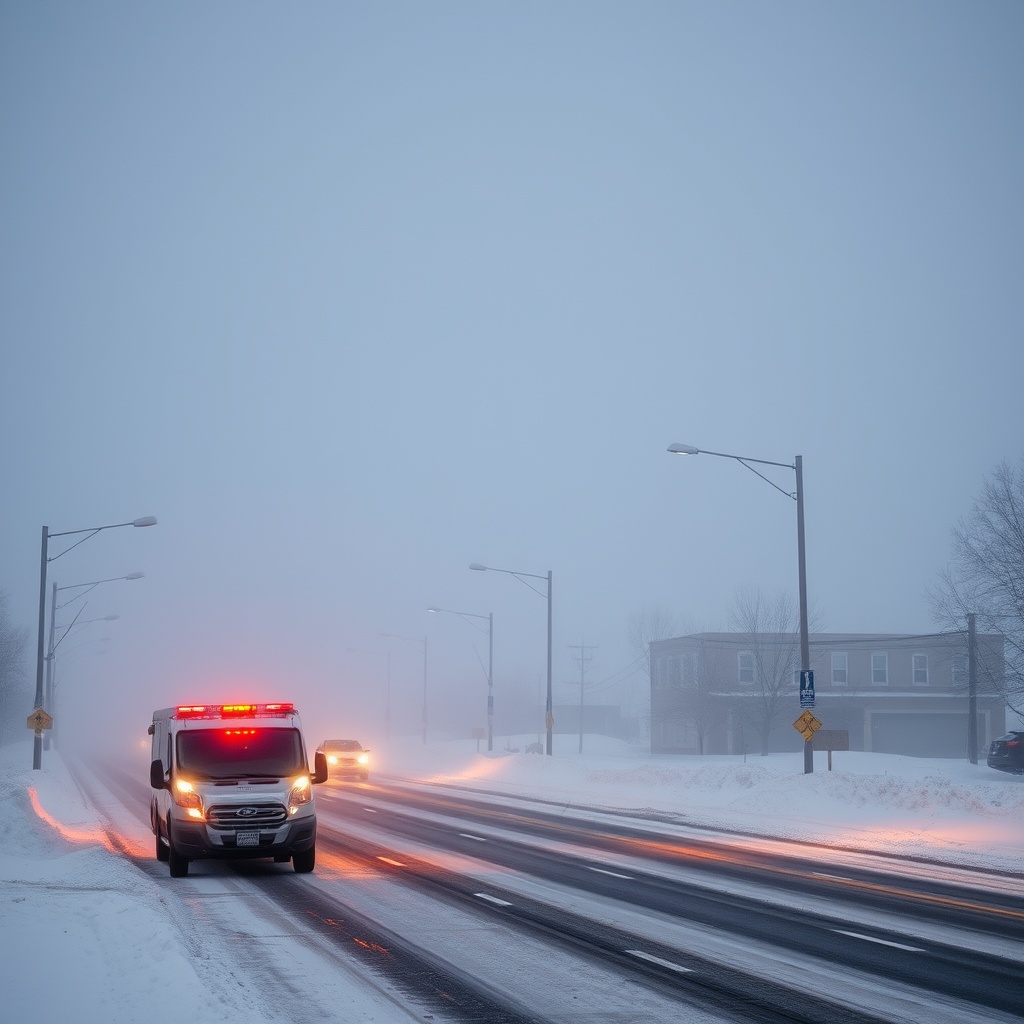
A powerful winter storm is bearing down on the United States, threatening to bring hazardous weather conditions to nearly half of the country. At least 16 states have declared emergencies as the storm is expected to bring snow, sleet, and freezing temperatures to the south, midwest, and east coast over the weekend. The National Weather Service has issued warnings for a wide swath of the country, with millions of people bracing for the worst. In this article, we will take a closer look at the storm, its potential impact, and the preparations being made by states and individuals to mitigate its effects.
The Storm's Path and Potential Impact
The winter storm is expected to move eastward across the country, bringing a mix of snow, sleet, and freezing rain to the affected areas. The storm's path is predicted to cover a vast area, with states such as Texas, Oklahoma, and Kansas in the south, Illinois, Indiana, and Ohio in the midwest, and New York, Massachusetts, and Pennsylvania in the east coast, all under threat. The National Weather Service has warned of potentially hazardous travel conditions, power outages, and disruptions to daily life.
According to the National Weather Service, the storm has the potential to bring significant snowfall to the affected areas, with some areas expected to receive up to 12 inches of snow. The freezing rain and sleet will also pose a significant threat, as they can cause power lines to ice over, leading to power outages and disruptions to communication and transportation systems. The storm's impact is expected to be felt across the country, with millions of people potentially affected.
For example, in the state of Illinois, the governor has declared a state of emergency, activating the state's emergency operations center to coordinate the response to the storm. The state's department of transportation has also warned of hazardous travel conditions, with snow and ice expected to make roads slippery and treacherous. Similarly, in the state of New York, the governor has declared a state of emergency, with the National Guard on standby to assist with the response to the storm.
Preparations and Emergency Declarations
As the storm approaches, states and individuals are taking steps to prepare for its impact. At least 16 states have declared emergencies, with governors activating their state's emergency operations centers to coordinate the response to the storm. The declarations also trigger the deployment of resources, such as the National Guard, to assist with the response and recovery efforts.
The Federal Emergency Management Agency (FEMA) has also been activated, with the agency working closely with state and local officials to coordinate the response to the storm. FEMA has warned that the storm has the potential to cause significant damage and disruption, and has urged individuals to take necessary precautions to ensure their safety.
In addition to the emergency declarations, individuals are also taking steps to prepare for the storm. Many people are stockpiling food, water, and other essential supplies, in case they are unable to leave their homes due to the hazardous weather conditions. Others are boarding up windows, securing outdoor furniture and decorations, and taking other steps to protect their property from the storm.
For instance, in the city of Chicago, residents are being advised to stay indoors and avoid travel unless absolutely necessary. The city's department of streets and sanitation has also activated its snow removal plan, with crews working around the clock to clear roads and sidewalks of snow and ice. Similarly, in the city of New York, residents are being warned of potentially hazardous travel conditions, with the city's department of transportation urging people to use public transportation or carpool to reduce the number of vehicles on the road.
Economic and Social Impact
The winter storm is also expected to have a significant economic and social impact on the affected areas. The storm's impact on transportation, commerce, and daily life is expected to be substantial, with millions of people potentially affected.
According to a study by the National Oceanic and Atmospheric Administration (NOAA), the economic impact of winter storms can be significant, with the average winter storm costing the US economy around $3 billion. The study also found that the social impact of winter storms can be substantial, with the storms often causing significant disruptions to daily life, including school and work closures, and power outages.
For example, in the state of Texas, the storm is expected to have a significant impact on the state's agriculture industry, with farmers and ranchers bracing for the potential loss of crops and livestock. The state's department of agriculture has warned that the storm's impact on the industry could be substantial, with the potential for significant economic losses.
Similarly, in the state of Illinois, the storm is expected to have a significant impact on the state's transportation system, with the potential for hazardous travel conditions and disruptions to air and rail travel. The state's department of transportation has warned that the storm's impact on the transportation system could be substantial, with the potential for significant delays and cancellations.
Case Studies: Past Winter Storms
To better understand the potential impact of the winter storm, it's useful to look at past winter storms that have affected the US. One such example is the Polar Vortex of 2014, which brought extremely cold temperatures to the midwest and east coast, causing widespread power outages and disruptions to daily life.
Another example is the Blizzard of 2015, which brought significant snowfall to the northeast, causing widespread power outages and disruptions to transportation and commerce. The blizzard also had a significant economic impact, with estimated losses of over $2 billion.
These case studies highlight the potential impact of winter storms on the US, and the need for states and individuals to be prepared for such events. By studying past winter storms, we can better understand the potential risks and consequences of such events, and take steps to mitigate their impact.
Statistics: Winter Storms in the US
To put the potential impact of the winter storm into perspective, it's useful to look at some statistics on winter storms in the US. According to NOAA, winter storms are a significant threat to the US, with the average winter storm causing around $1 billion in damages.
The National Weather Service has also reported that winter storms are responsible for an average of 400 deaths per year in the US, with the majority of these deaths occurring due to hypothermia, vehicle accidents, and other storm-related hazards.
In addition, the Federal Emergency Management Agency (FEMA) has reported that winter storms are one of the most common types of disasters in the US, with the agency responding to an average of 10 winter storms per year.
These statistics highlight the significant threat posed by winter storms to the US, and the need for states and individuals to be prepared for such events. By understanding the potential risks and consequences of winter storms, we can take steps to mitigate their impact and reduce the risk of harm to people and property.
Conclusion
In conclusion, the winter storm threatening half of the US is a significant threat to the country, with the potential to cause widespread disruptions to daily life, commerce, and transportation. At least 16 states have declared emergencies, with governors activating their state's emergency operations centers to coordinate the response to the storm.
As the storm approaches, it's essential for individuals to take necessary precautions to ensure their safety, including stockpiling food, water, and other essential supplies, and staying informed about the latest weather forecast and emergency instructions. By working together, we can mitigate the impact of the storm and reduce the risk of harm to people and property.
In the long term, it's also essential for the US to invest in infrastructure and emergency preparedness, to reduce the risk of harm from winter storms and other disasters. This includes investing in weather forecasting and warning systems, as well as emergency response and recovery efforts.
By taking a proactive and coordinated approach to emergency preparedness and response, we can reduce the impact of winter storms and other disasters, and keep our communities safe and resilient. As the storm approaches, let's work together to prepare for its impact, and to build a safer and more resilient future for all.

Leave a comment