
Introduction
The United States has been increasing its military presence in the Middle East in recent years, with a focus on countering the growing influence of Iran and other regional threats. According to recent reports, the US is set to deploy more Marines and warships to the region, in a move that is likely to escalate tensions and raise concerns about the potential for conflict. The reinforcements will come from an amphibious ready group that is usually based in Japan, an official told CBS, the BBC's US partner. This development is the latest in a series of moves by the US to bolster its military presence in the Middle East, and it has significant implications for regional security and global politics.
Background: US Military Presence in the Middle East
The US has a long history of military involvement in the Middle East, dating back to the early 20th century. In recent years, the US has maintained a significant military presence in the region, with troops and equipment deployed in countries such as Iraq, Afghanistan, and Kuwait. The US has also established a number of military bases in the region, including in Bahrain, Qatar, and the United Arab Emirates. The US military presence in the Middle East is aimed at promoting regional stability, countering terrorist threats, and protecting American interests. However, the presence of US troops and equipment in the region has also been a source of controversy and tension, with some countries and groups viewing it as an occupation or a threat to their sovereignty.
The US has been increasing its military presence in the Middle East in response to a number of regional threats, including the growing influence of Iran and the rise of extremist groups such as ISIS. The US has also been working to strengthen its relationships with regional allies, such as Saudi Arabia and Israel, and to promote a more stable and secure environment in the region. However, the US military presence in the Middle East is not without its challenges and risks. The region is home to a number of complex and sensitive conflicts, and the US military presence can be seen as a source of provocation or instability. Additionally, the US military presence in the Middle East can be costly and resource-intensive, requiring significant investments of troops, equipment, and funding.
The Latest Deployment: Marines and Warships
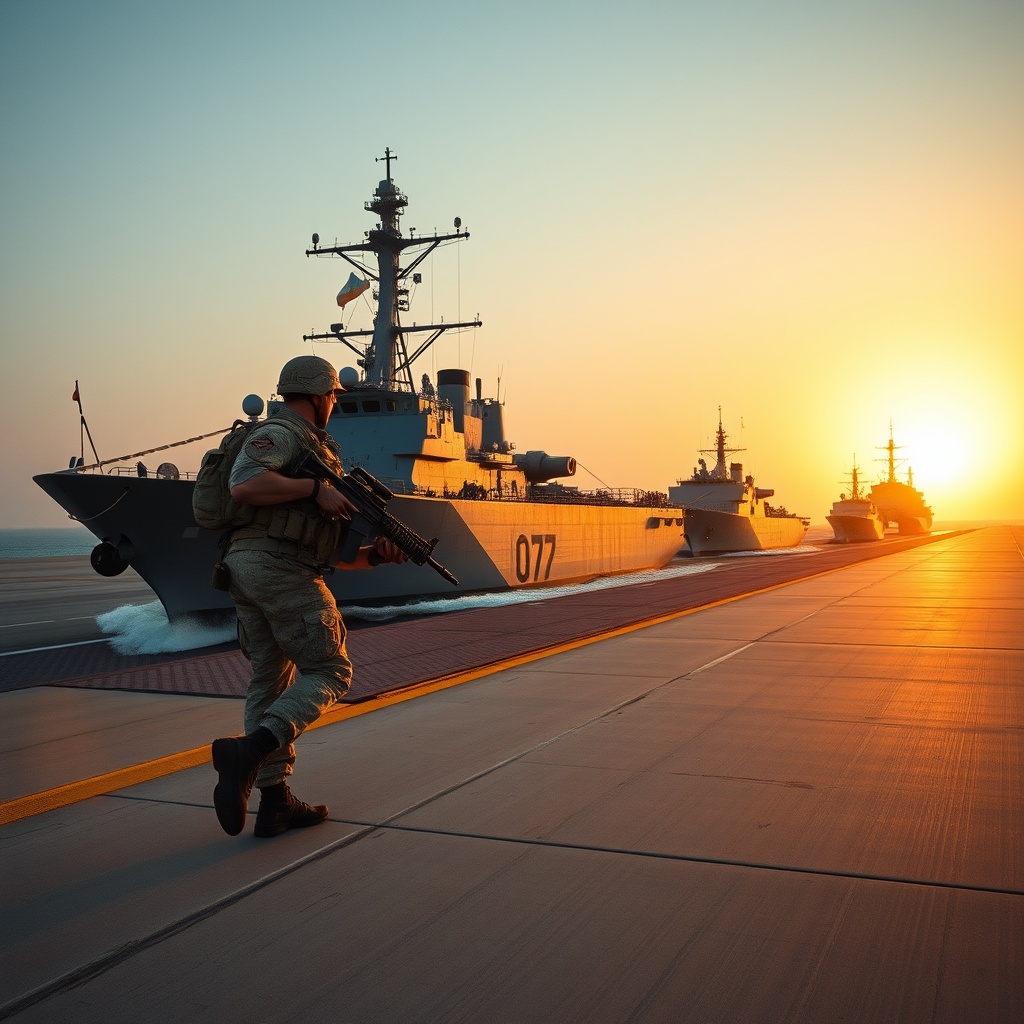
The latest deployment of US Marines and warships to the Middle East is a significant development, and it reflects the ongoing commitment of the US to regional security and stability. The deployment is expected to include an amphibious ready group, which is a naval formation that is capable of conducting a range of military operations, including amphibious assaults and special operations. The amphibious ready group will be based in the Middle East, and it will be supported by a range of US military assets, including warships, aircraft, and troops.
The deployment of US Marines and warships to the Middle East is likely to have a number of implications for regional security and stability. The US military presence in the region can help to deter aggression and promote stability, and it can also provide a range of capabilities and assets that can be used to respond to emerging threats or crises. However, the deployment of US troops and equipment to the region can also be seen as a source of provocation or instability, and it can raise concerns about the potential for conflict or escalation.
According to reports, the deployment of US Marines and warships to the Middle East is a response to the growing threat posed by Iran and other regional actors. The US has been concerned about Iran's nuclear program, as well as its support for extremist groups and its aggressive behavior in the region. The US has also been working to strengthen its relationships with regional allies, such as Saudi Arabia and Israel, and to promote a more stable and secure environment in the region.
Implications and Concerns
The deployment of US Marines and warships to the Middle East has significant implications for regional security and stability. The US military presence in the region can help to deter aggression and promote stability, but it can also raise concerns about the potential for conflict or escalation. The deployment of US troops and equipment to the region can be seen as a source of provocation or instability, and it can raise tensions with countries such as Iran and Russia.
The US deployment to the Middle East also has significant implications for global politics and international relations. The US is a global superpower, and its military presence in the Middle East can have far-reaching consequences for regional and global security. The deployment of US Marines and warships to the Middle East can also raise concerns about the potential for conflict or escalation, and it can have significant implications for the global economy and international trade.
According to some experts, the deployment of US Marines and warships to the Middle East is a necessary response to the growing threats and challenges in the region. The US has a critical role to play in promoting regional stability and security, and its military presence in the region can help to deter aggression and promote stability. However, other experts have raised concerns about the potential risks and consequences of the US deployment, and they have argued that the US should pursue a more diplomatic and cooperative approach to regional security.
Case Studies: Previous US Deployments to the Middle East
The US has a long history of deploying troops and equipment to the Middle East, and there are a number of case studies that can provide insights into the implications and consequences of US military deployments to the region. One notable example is the US invasion of Iraq in 2003, which was aimed at removing the regime of Saddam Hussein and promoting democracy and stability in the region. The invasion was widely criticized, and it had significant consequences for regional and global security.
Another example is the US deployment to Afghanistan in 2001, which was aimed at defeating al-Qaeda and promoting stability and security in the region. The deployment was successful in defeating al-Qaeda, but it has had significant consequences for regional and global security, including the rise of extremist groups and the ongoing conflict in Afghanistan.
More recently, the US has been involved in a number of military interventions in the Middle East, including in Libya, Syria, and Yemen. These interventions have had significant consequences for regional and global security, including the rise of extremist groups and the ongoing conflict in these countries.
Statistics and Data
The US deployment to the Middle East is a significant development, and it reflects the ongoing commitment of the US to regional security and stability. According to some estimates, the US has over 50,000 troops deployed in the Middle East, with the majority based in countries such as Iraq, Afghanistan, and Kuwait. The US also has a number of military bases in the region, including in Bahrain, Qatar, and the United Arab Emirates.
The US military presence in the Middle East is also supported by a range of equipment and assets, including warships, aircraft, and tanks. The US has also been working to strengthen its relationships with regional allies, such as Saudi Arabia and Israel, and to promote a more stable and secure environment in the region.
According to some reports, the US deployment to the Middle East is expected to cost billions of dollars, with some estimates suggesting that it could exceed $10 billion per year. The deployment is also expected to have significant implications for the US military, including the potential for increased casualties and the need for additional resources and support.
Conclusion
The deployment of US Marines and warships to the Middle East is a significant development, and it reflects the ongoing commitment of the US to regional security and stability. The deployment is likely to have a number of implications for regional and global security, including the potential for conflict or escalation, and it raises concerns about the potential risks and consequences of US military deployments to the region. However, the deployment is also seen as a necessary response to the growing threats and challenges in the region, and it reflects the critical role that the US plays in promoting regional stability and security.
As the situation in the Middle East continues to evolve, it is likely that the US will continue to play a significant role in promoting regional security and stability. The US deployment to the Middle East is a complex and multifaceted issue, and it requires a nuanced and informed approach. The US must balance its commitment to regional security with the need to avoid provocation or escalation, and it must work to strengthen its relationships with regional allies and promote a more stable and secure environment in the region.
Ultimately, the deployment of US Marines and warships to the Middle East is a significant development, and it has significant implications for regional and global security. The US must approach this deployment with caution and careful consideration, and it must work to promote a more stable and secure environment in the region. As the US looks to the future, it is clear that the Middle East will remain a critical region for US foreign policy and national security, and the US must be prepared to adapt and respond to the evolving challenges and threats in the region.

Leave a comment