
Introduction
The Arctic, often referred to as the "canary in the coal mine" of climate change, has been experiencing unprecedented warming over the past few decades. This trend is not only alarming but also has significant implications for the entire planet. A recent report from the National Oceanic and Atmospheric Administration (NOAA) reinforces this notion, highlighting the continued rapid warming of the Arctic region. The 2025 Arctic Report Card, a comprehensive annual assessment of the Arctic environment, reveals that the northernmost part of the Earth is warming at a rate substantially faster than the global average. This article delves into the key findings of the report, explores the causes and consequences of Arctic warming, and examines what these changes mean for the future of our planet.
The Current State of Arctic Warming
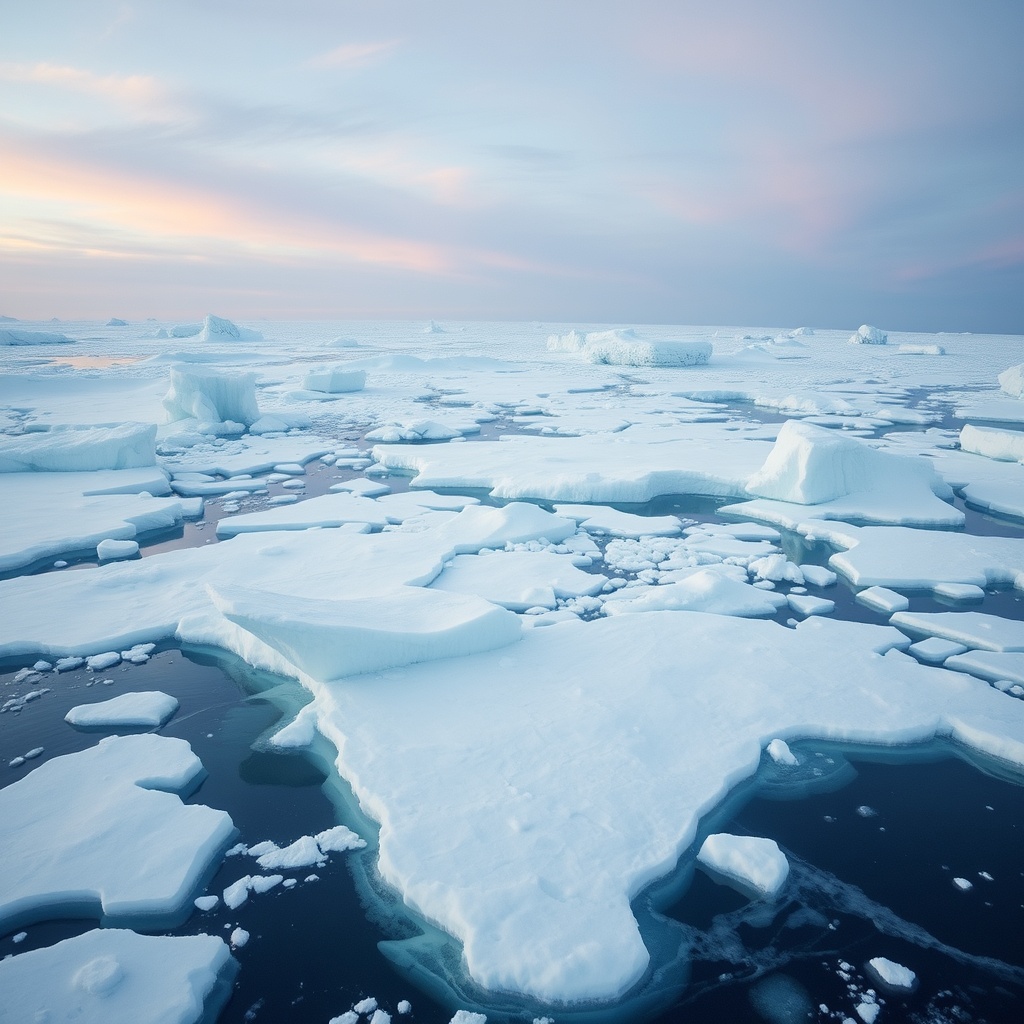
The NOAA report underscores the stark reality of climate change in the Arctic, where temperatures are rising at a pace that outstrips the rest of the world. One of the most striking findings is the continued decline in sea ice coverage. The Arctic sea ice, which plays a crucial role in regulating Earth's climate by reflecting sunlight and influencing ocean currents, has been dwindling at an alarming rate. The report notes that the extent of Arctic sea ice has been below average for most of the past two decades, with some years seeing record lows. For instance, the summer of 2020 saw the second-lowest level of sea ice coverage on record, with about 3.7 million square kilometers of ice remaining at the end of the melting season. This decline not only affects the regional ecosystem but also contributes to global sea-level rise and alters global weather patterns.
The warming trend in the Arctic is also evident in the increase in permafrost temperatures. Permafrost, the frozen ground that covers nearly a quarter of the Northern Hemisphere's land area, is thawing at an unprecedented rate. This thawing has significant implications, including the release of methane and carbon dioxide, potent greenhouse gases that accelerate climate change. According to the report, the permafrost in some areas has warmed by as much as 3 degrees Celsius over the past few decades, a rate of change that is among the fastest on the planet. This rapid thawing is not only altering landscapes and ecosystems but also threatening the infrastructure and livelihoods of Arctic communities.
Causes and Consequences of Arctic Warming
The rapid warming of the Arctic is primarily driven by human activities, particularly the emission of greenhouse gases such as carbon dioxide and methane. These gases trap heat in the atmosphere, leading to global warming. However, the Arctic is experiencing a disproportionate level of warming due to several factors. One key reason is the albedo feedback mechanism, where the loss of reflective sea ice exposes darker ocean waters that absorb more solar radiation, leading to further warming. Additionally, the Arctic's proximity to major industrialized nations means that it is also impacted by soot and other pollutants that can darken snow and ice, reducing their reflectivity and contributing to warming.
The consequences of Arctic warming are far-reaching and multifaceted. For marine ecosystems, the loss of sea ice can have devastating effects, from the decline of polar bear populations to the disruption of fish migration patterns. On land, the thawing of permafrost can lead to the collapse of buildings, roads, and other infrastructure, as well as the release of ancient carbon stores into the atmosphere. Moreover, changes in the Arctic can have global implications, including shifts in weather patterns and the potential for more extreme weather events. For example, some research suggests that the warming Arctic could contribute to more frequent and intense heatwaves, droughts, and heavy rainfall events in mid-latitude regions.
Looking to the Future: Implications and Actions
The findings of the 2025 Arctic Report Card serve as a stark reminder of the urgent need for action to mitigate climate change. Given the rapid and profound changes occurring in the Arctic, it is essential that global efforts to reduce greenhouse gas emissions are accelerated. This includes transitioning away from fossil fuels, enhancing energy efficiency, and protecting and reforestation efforts to absorb more carbon dioxide from the atmosphere. Furthermore, supporting climate resilience and adaptation in Arctic communities is crucial, given the disproportionate impacts they face.
Innovative solutions and technologies also have a significant role to play. For instance, renewable energy sources like wind and solar power can provide clean energy alternatives, reducing the reliance on fossil fuels. Additionally, technologies that can help monitor and mitigate the effects of permafrost thaw, such as advanced materials for construction and early warning systems for landslides and infrastructure damage, can be invaluable.
The international community has begun to take steps in the right direction, with agreements like the Paris Agreement aiming to limit global warming to well below 2 degrees Celsius and pursue efforts to limit it to 1.5 degrees Celsius above pre-industrial levels. However, the pace of progress must be quickened, and commitments must be translated into tangible actions on the ground. The future of the Arctic, and indeed the planet, depends on it.
Conclusion
The continued rapid warming of the Arctic, as highlighted in the NOAA's 2025 Arctic Report Card, is a pressing global issue that requires immediate attention and action. The consequences of inaction are stark, with potential for catastrophic impacts on ecosystems, communities, and the climate as a whole. However, there is hope. Through concerted global efforts to reduce greenhouse gas emissions, invest in climate resilience, and embrace innovative solutions, it is possible to mitigate the worst effects of climate change. The Arctic, often seen as a bellwether of global climate health, can also serve as a beacon of hope and cooperation, reminding us of our shared responsibility to protect the planet for future generations. As we move forward, it will be essential to continue monitoring the Arctic's condition closely, learning from its changes, and using this knowledge to guide our actions towards a more sustainable and equitable future for all.

Leave a comment