
Introduction
The ongoing conflict in Iran has sparked significant concerns about new weapons and war power, with the United States having used "tens of thousands" of pieces of ordnance in its Epic Fury campaign. The situation has raised eyebrows globally, with many questioning the implications of such a massive military operation. In this article, we will delve into the details of the conflict, the new weapons being used, and the worries surrounding war power. We will also examine the historical context of the conflict, the role of the United States, and the potential consequences of the ongoing military campaign.
Historical Context of the Conflict
To understand the current situation, it is essential to look at the historical context of the conflict. The Iran-US relations have been strained for decades, with the two countries having fundamentally different ideologies and interests. The Iranian Revolution in 1979 marked a significant turning point in the relationship, with the new Iranian government adopting an anti-American stance. Since then, the two countries have been engaged in a series of proxy wars, economic sanctions, and diplomatic tensions.
The current conflict is a culmination of years of escalating tensions, with the US withdrawing from the Joint Comprehensive Plan of Action (JCPOA) in 2018, followed by a series of attacks on Iranian targets. The Epic Fury campaign is the latest development in this conflict, with the US using advanced military technology to target Iranian military installations and personnel.
New Weapons and Military Technology
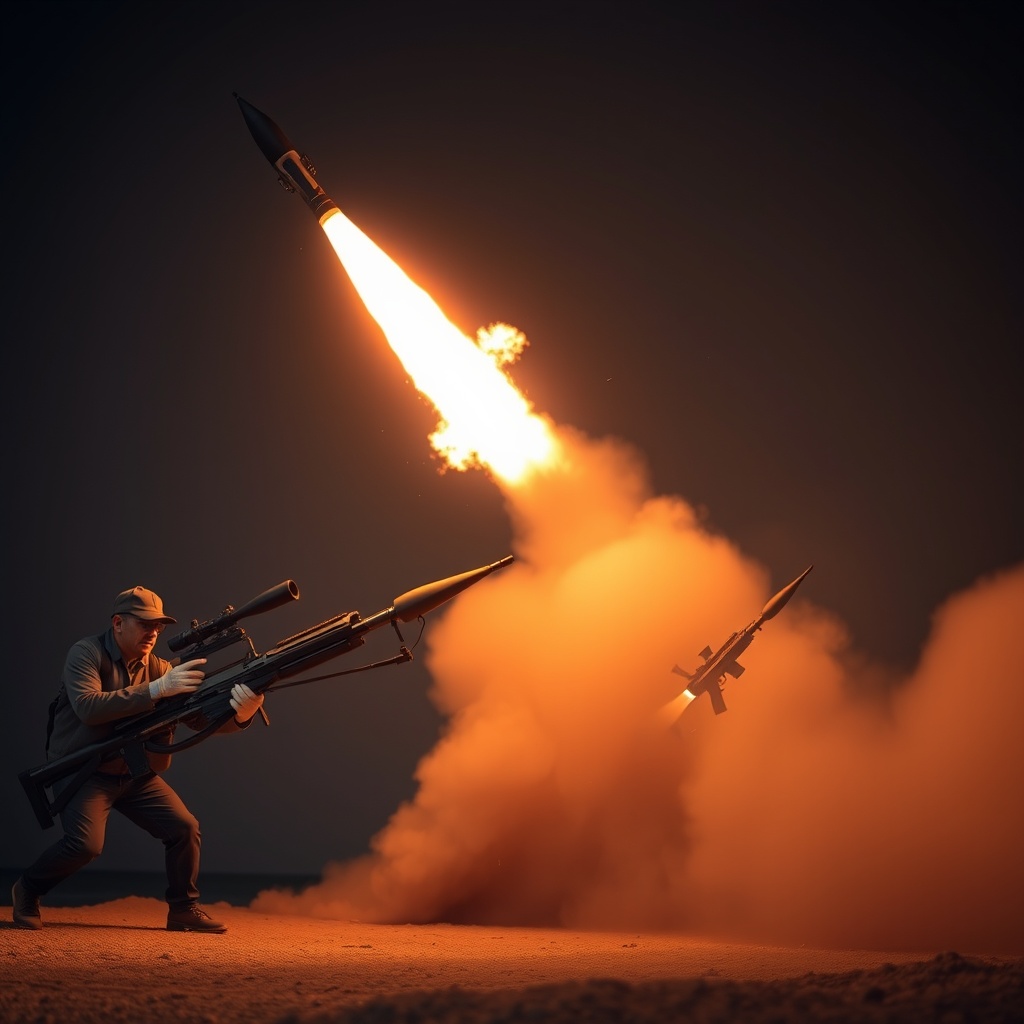
The Epic Fury campaign has seen the deployment of new and advanced military technology, including precision-guided missiles, drones, and cyber warfare tools. The use of these weapons has raised concerns about the potential for civilian casualties and the long-term consequences of such a massive military operation.
For example, the US has used the AGM-158 Joint Air-to-Ground Missile (JAGM) in the campaign, which is a precision-guided missile designed to destroy heavily fortified targets. The JAGM has a range of over 25 kilometers and can be launched from a variety of platforms, including aircraft and helicopters.
The use of drones has also been a significant aspect of the Epic Fury campaign, with the US deploying unmanned aerial vehicles (UAVs) to gather intelligence and conduct strikes on Iranian targets. The MQ-9 Reaper drone, for instance, has been used extensively in the campaign, with its advanced sensors and precision-guided missiles allowing for accurate and targeted strikes.
Worries Surrounding War Power
The use of such advanced military technology has raised significant concerns about the potential for escalation and the long-term consequences of the conflict. The Iranian government has threatened to retaliate against US targets, which could lead to a wider conflict in the region.
Furthermore, the use of tens of thousands of pieces of ordnance in the Epic Fury campaign has raised concerns about the environmental and humanitarian impact of the conflict. The use of precision-guided missiles and drones may reduce the risk of civilian casualties, but it does not eliminate it entirely. The conflict has already resulted in significant damage to infrastructure and civilian property, with many innocent lives lost or displaced.
The international community has also expressed concerns about the conflict, with many countries calling for a peaceful resolution to the crisis. The United Nations has urged both sides to exercise restraint and engage in diplomatic efforts to resolve their differences.
According to a report by the Stockholm International Peace Research Institute (SIPRI), the conflict in Iran has resulted in a significant increase in military spending in the region, with many countries increasing their defense budgets in response to the escalating tensions. The report also notes that the conflict has led to a significant increase in the production and deployment of advanced military technology, including precision-guided missiles and drones.
Case Studies and Statistics
A study by the Center for Strategic and International Studies (CSIS) found that the use of precision-guided missiles in the Epic Fury campaign has resulted in a significant reduction in civilian casualties compared to previous conflicts. The study noted that the use of advanced military technology has allowed the US to conduct more targeted and accurate strikes, reducing the risk of collateral damage.
However, the study also noted that the conflict has resulted in significant economic costs, with the US spending billions of dollars on the Epic Fury campaign. The study estimated that the conflict has cost the US economy over $10 billion, with the potential for long-term economic consequences.
In terms of statistics, the conflict has resulted in significant military losses on both sides. According to a report by the Pentagon, the US has lost several aircraft and drones in the conflict, while the Iranian military has suffered significant casualties and damage to its infrastructure.
The conflict has also resulted in a significant increase in refugee flows, with many civilians displaced by the fighting. According to the United Nations High Commissioner for Refugees (UNHCR), over 100,000 civilians have been displaced by the conflict, with many more at risk of displacement.
Conclusion
The conflict in Iran has raised significant concerns about new weapons and war power, with the US using tens of thousands of pieces of ordnance in its Epic Fury campaign. The use of advanced military technology, including precision-guided missiles and drones, has raised concerns about the potential for escalation and the long-term consequences of the conflict.
As the conflict continues to escalate, it is essential for the international community to come together to find a peaceful resolution to the crisis. The use of diplomacy and dialogue is crucial in resolving the conflict, and the US and Iran must engage in meaningful negotiations to address their differences.
The conflict has also highlighted the need for greater transparency and accountability in the use of military force. The US and other countries involved in the conflict must be transparent about their military operations and ensure that they are complying with international humanitarian law.
Ultimately, the conflict in Iran is a complex and multifaceted issue that requires a comprehensive and nuanced approach. It is essential for policymakers, scholars, and the general public to engage in a thoughtful and informed discussion about the conflict and its implications for global security and stability. By working together, we can find a peaceful resolution to the crisis and prevent further escalation and human suffering.

Leave a comment