
Introduction
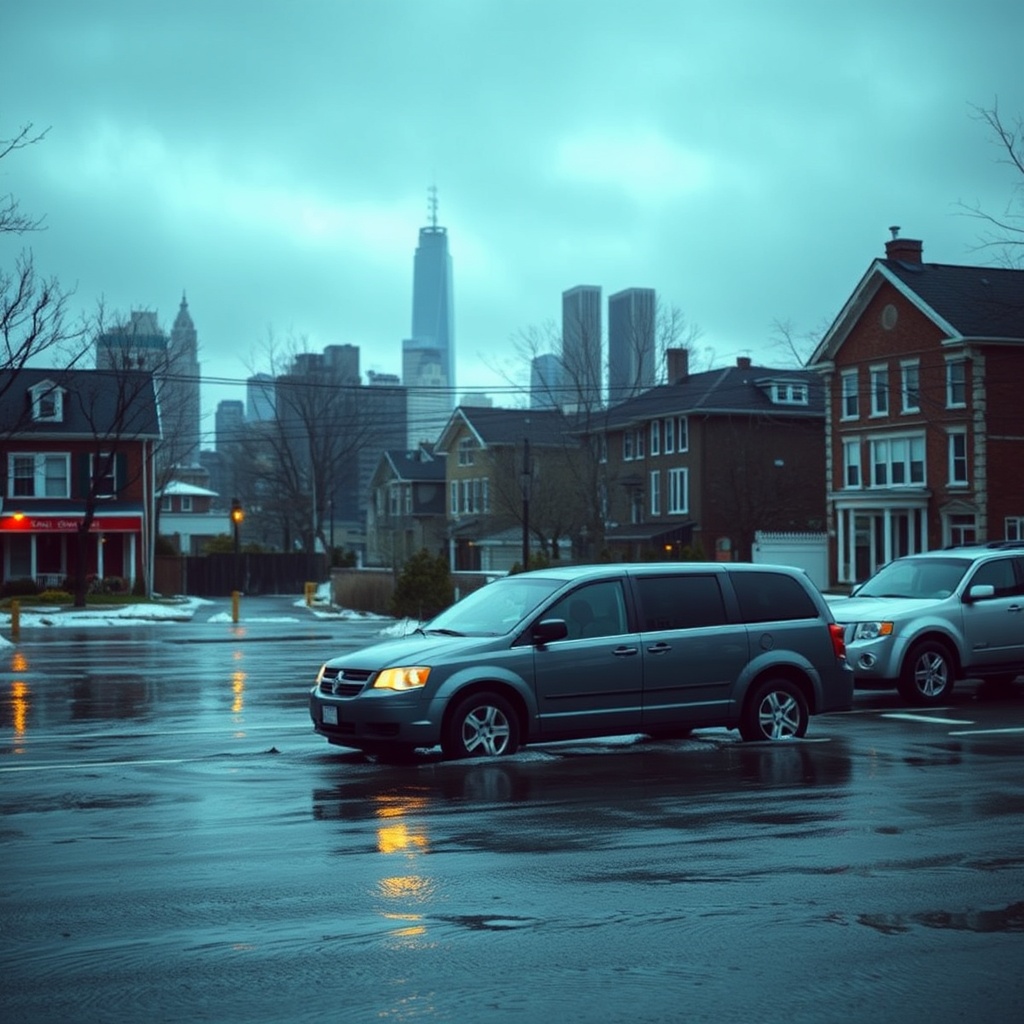
The East Coast of the United States, particularly New York, is bracing itself for the potential impact of a powerful Nor'easter storm. This type of storm is known for bringing heavy winds, significant rainfall, and subsequent flooding to the areas it affects. As the storm moves up the coast, residents and officials are preparing for the worst, with memories of past storms like Hurricane Sandy still fresh in their minds. The Nor'easter has already begun to make its presence known, dumping heavy rain and causing flooding in roads as it makes its way towards New England. This article will delve into the details of the storm, its potential impact, and the preparations being made to mitigate its effects.
Understanding Nor'easters and Their Impact
Nor'easters are powerful storm systems that form along the East Coast of the United States. They are called "Nor'easters" because the winds in a Nor'easter come from the northeast, blowing in from the ocean. These storms are capable of producing heavy rain, snow, and powerful winds, often leading to significant coastal flooding due to storm surges. The impact of a Nor'easter can be devastating, with the potential to disrupt daily life, cause billions of dollars in damage, and unfortunately, lead to loss of life.
The current storm has been moving up the East Coast since the weekend, leaving a trail of flooded roads and damaged infrastructure in its wake. As it approaches New York and other parts of New England, concerns are growing about the potential for widespread flooding and power outages. The National Weather Service has issued warnings and advisories, urging residents to prepare for the worst and to follow evacuation orders if necessary.
Preparations and Response Efforts
In anticipation of the storm's arrival, New York and other affected states are taking proactive measures to prepare and respond. Emergency management officials are working closely with local, state, and federal agencies to coordinate response efforts. This includes setting up emergency shelters, deploying sandbags and other flood-control measures, and ensuring that emergency services are ready to respond to any situation that may arise.
Residents are also being advised to take personal precautions, such as stocking up on supplies, charging electronic devices, and having a plan in place in case they need to evacuate. The importance of staying informed through trusted news sources and weather reports cannot be overstated, as the situation can change rapidly.
Furthermore, utility companies are preparing for the potential of widespread power outages by mobilizing crews and equipment. This proactive approach aims to minimize the time it takes to restore power once the storm has passed.
Economic and Environmental Impacts
The economic impact of a Nor'easter can be significant, affecting not only the immediate areas hit by the storm but also having broader implications for the national economy. Damage to infrastructure, loss of business due to closures, and the cost of relief efforts all contribute to the financial burden of such storms.
Environmentally, Nor'easters can also have lasting effects. Coastal erosion, damage to natural habitats, and the potential for oil spills or other environmental disasters are all concerns. The storm surges associated with Nor'easters can inundate coastal areas, causing not only immediate damage but also long-term changes to ecosystems.
In addition, the frequency and intensity of Nor'easters, like other extreme weather events, are being closely watched by scientists who study climate change. While the relationship between climate change and individual storms is complex, there is evidence to suggest that warmer ocean temperatures can contribute to the intensity of such storms.
Case Studies and Historical Context
To understand the potential impact of the current Nor'easter, it's helpful to look at past storms that have affected the East Coast. One of the most significant in recent memory is Hurricane Sandy, which struck in 2012. Sandy caused catastrophic damage along the East Coast, particularly in New York and New Jersey, with estimated damages of over $70 billion. The storm highlighted the vulnerability of coastal communities to flooding and the importance of investing in resilience and mitigation measures.
Other notable storms include the Blizzard of 1993, also known as the "Storm of the Century," which affected the entire East Coast, and the Great New England Hurricane of 1938, one of the deadliest and most destructive storms to hit the region.
These historical events serve as reminders of the power of nature and the importance of preparedness and proactive measures to mitigate the effects of such storms.
Conclusion
As New York and the East Coast prepare for the potential flooding and heavy winds from the Nor'easter, it's clear that the impact could be significant. With the storm already causing damage as it moves up the coast, residents and officials are bracing for the worst. The keys to mitigating the effects of the storm will be preparation, quick response, and a commitment to rebuilding and recovery in the aftermath.
Looking to the future, it's essential that communities invest in resilience and mitigation measures, including improving infrastructure, restoring natural barriers, and supporting research into the causes and effects of extreme weather events. By learning from past storms and working together, we can reduce the impact of future Nor'easters and ensure the safety and well-being of those living in vulnerable areas. As the storm approaches, staying informed, following safety guidelines, and supporting one another will be crucial in navigating the challenges ahead.

Leave a comment