
Introduction
The United States has witnessed a wave of protests against former President Donald Trump, with the latest series of demonstrations, dubbed "No Kings," bringing a vibrant street party atmosphere to cities nationwide. This marks the third mass mobilization since Trump's return to the White House, with protesters adopting creative and festive methods to express their dissent. The "No Kings" protests have not only drawn attention to the concerns of the anti-Trump movement but have also showcased the power of grassroots mobilization and the evolving nature of political activism in the country. This article will delve into the context, strategies, and implications of the "No Kings" protests, exploring how they reflect broader trends in American politics and social movements.
The Context of the Protests
The return of Donald Trump to the White House has been a polarizing event, sparking intense reactions from both supporters and opponents. For those opposed to Trump, his presidency is seen as a threat to democratic norms, social justice, and the rule of law. The "No Kings" protests are part of a broader effort to mobilize public opinion against Trump's policies and persona, emphasizing the importance of accountability, equality, and democratic values. These protests are not isolated events but are connected to a long history of social and political activism in the United States, from the Civil Rights Movement to the Women's March and Black Lives Matter protests.
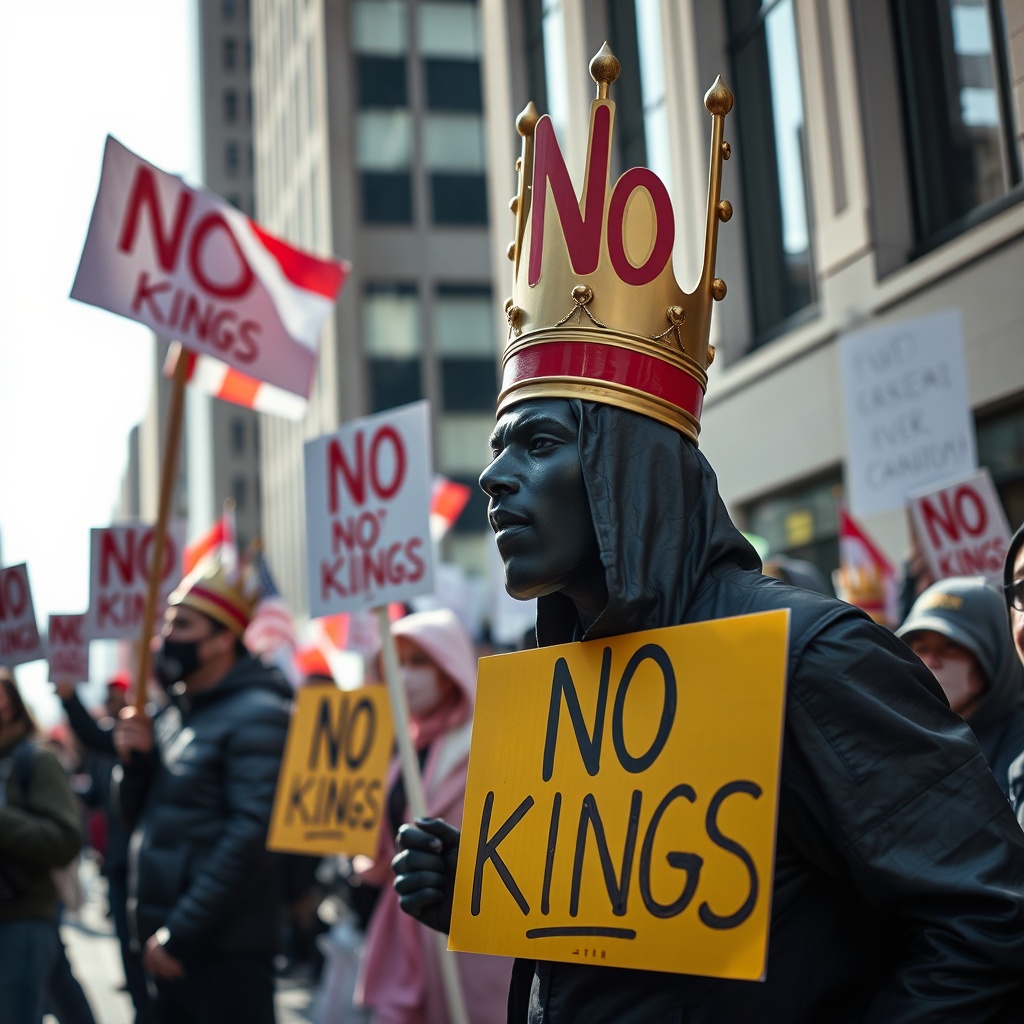
The use of the term "No Kings" is particularly significant, as it reflects a rejection of authoritarianism and a demand for a more inclusive, democratic society. It symbolizes the protesters' belief that no individual, regardless of their political power, should be above the law or immune to criticism. This slogan also resonates with the historical context of American political thought, which has often been characterized by a suspicion of concentrated power and a preference for decentralized, democratic governance.
Strategies and Tactics of the Protests
One of the notable aspects of the "No Kings" protests is their creative and festive approach. Unlike traditional protests, which can sometimes appear solemn or confrontational, these events have incorporated elements of street parties, including music, dance, and colorful costumes. Demonstrators in inflatable costumes, for example, have been seen rallying on Pennsylvania Avenue, bringing a lighthearted and humorous tone to the protests. This approach not only attracts more participants and media attention but also humanizes the protesters, challenging stereotypes of activists as solely angry or militant.
The strategic use of social media has also played a crucial role in organizing and promoting the "No Kings" protests. Platforms like Twitter, Facebook, and Instagram have been utilized to spread information, coordinate events, and share experiences, allowing the movement to reach a wider audience and build a sense of community among participants. Hashtags related to the protests have trended nationally, indicating the significant online engagement and the ability of the movement to tap into the cultural zeitgeist.
Furthermore, the protests have seen a diverse range of participants, from long-time activists to first-time protesters, indicating a broad base of support for the anti-Trump movement. This diversity is not just demographic but also ideological, with individuals from various political backgrounds and age groups coming together to express their opposition to Trump. The inclusivity of the "No Kings" protests reflects the understanding that the challenges posed by Trump's presidency require a unified and multifaceted response.
Implications and Future Directions
The "No Kings" protests are significant not only for their immediate impact on the political discourse but also for what they reveal about the future of political activism in the United States. They demonstrate that social movements can be both serious and joyful, that protest can be a form of celebration as well as a form of resistance. This approach can help to sustain momentum over time, as it creates a sense of community and shared purpose among participants.
Moreover, the protests highlight the importance of grassroots mobilization in holding political leaders accountable. In an era where traditional political institutions are often seen as dysfunctional or unresponsive, movements like "No Kings" show that ordinary citizens can still exert significant influence on the political process. By combining online activism with offline mobilization, these movements can pressure politicians, shape public opinion, and push for policy changes.
Looking ahead, the success of the "No Kings" protests will depend on their ability to translate the energy and creativity of these events into lasting political change. This could involve supporting candidates who share the values of the movement, advocating for specific policy reforms, and continuing to mobilize public opinion against authoritarianism and in favor of democratic principles. The movement must also navigate the challenges of sustaining a broad coalition, addressing internal differences, and responding to the evolving strategies of its opponents.
Conclusion
The "No Kings" protests against Donald Trump have brought a unique blend of activism and celebration to cities across the United States, reflecting the creativity, diversity, and determination of the anti-Trump movement. By embracing a street party vibe, leveraging social media, and fostering a sense of community among participants, these protests have not only expressed opposition to Trump's presidency but have also reimagined the nature of political protest itself. As American politics continues to evolve, the "No Kings" protests stand as a testament to the power of grassroots mobilization and the enduring importance of democratic values. Whether through the ballot box, the streets, or the digital sphere, the message of "No Kings" resonates: in a democracy, no individual is above the law, and the voice of the people will not be silenced.

Leave a comment