
Introduction
The Persian Gulf, a vital waterway connecting the Middle East to the global economy, has been a focal point of international attention in recent years due to rising geopolitical tensions. The latest escalation of military conflict in the region, sparked by an Iran attack, has already begun to disrupt oil shipments, sending shockwaves throughout the energy market. As one of the world's largest oil-and-gas producing regions, the Persian Gulf plays a critical role in meeting the world's energy demands. This article will examine the impact of the Iran attack on oil shipments in the Persian Gulf, the potential consequences for the global energy market, and the measures being taken to mitigate the disruption.
The Significance of the Persian Gulf in Global Energy Trade
The Persian Gulf is home to some of the world's largest oil producers, including Saudi Arabia, Iraq, and Iran. The region's strategic location, with access to the Arabian Sea and the Indian Ocean, makes it an essential route for oil tankers transporting crude oil to refineries in Asia, Europe, and the Americas. According to the U.S. Energy Information Administration (EIA), approximately 20% of the world's total oil supply passes through the Strait of Hormuz, a narrow waterway connecting the Persian Gulf to the Arabian Sea. Any disruption to oil shipments in the region can have far-reaching consequences for the global energy market.
The Persian Gulf's importance in global energy trade is not limited to oil. The region is also a significant producer of natural gas, with countries such as Qatar and Iran holding substantial reserves. The region's gas exports are primarily destined for Asian markets, where demand for energy is increasing rapidly. The disruption of oil shipments in the Persian Gulf can have a ripple effect on the global energy market, leading to increased prices, reduced supplies, and potential shortages.
The Impact of the Iran Attack on Oil Shipments
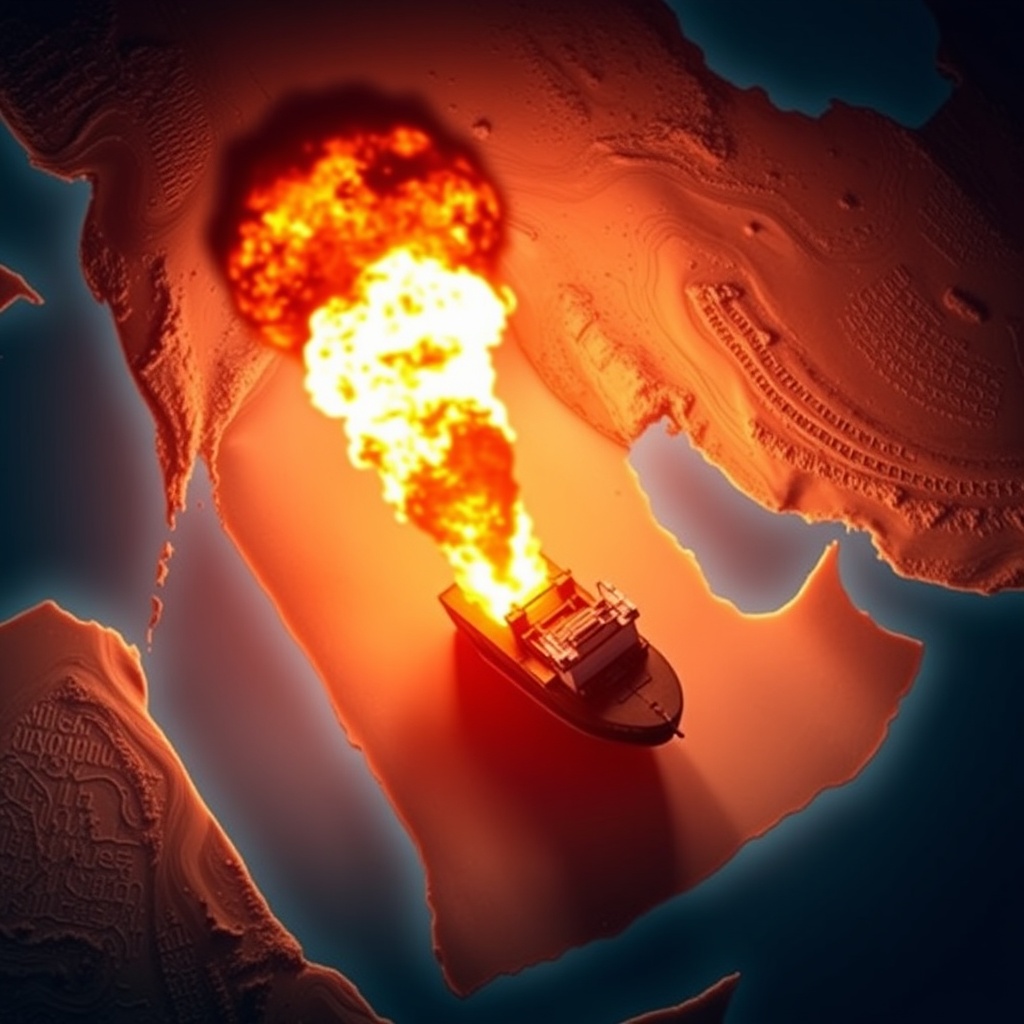
The Iran attack has already begun to disrupt oil shipments in the Persian Gulf, with several oil tankers reportedly delayed or diverted from their scheduled routes. The attack has raised concerns about the safety of oil tankers and crews operating in the region, leading to increased security measures and higher insurance premiums. According to a report by the International Energy Agency (IEA), the disruption to oil shipments in the Persian Gulf could lead to a reduction in global oil supplies, potentially driving up prices and affecting the global economy.
The impact of the Iran attack on oil shipments is not limited to the Persian Gulf region. The disruption to oil supplies can have far-reaching consequences for the global economy, including increased prices for gasoline, diesel, and other petroleum products. The IEA has warned that the disruption to oil shipments in the Persian Gulf could lead to a reduction in global economic growth, particularly in countries that are heavily reliant on oil imports.
Measures to Mitigate the Disruption
In response to the disruption to oil shipments in the Persian Gulf, several measures are being taken to mitigate the impact. The U.S. and other countries have increased their military presence in the region, with a focus on protecting oil tankers and crews from potential attacks. The International Maritime Organization (IMO) has also issued guidelines for ships operating in the region, including recommendations for increased security measures and enhanced communication protocols.
In addition to these measures, several countries are exploring alternative routes for oil shipments, including the use of pipelines and overland transportation. For example, the proposed Iran-Pakistan-India (IPI) gas pipeline could potentially reduce the region's reliance on oil tankers and minimize the impact of disruptions to oil shipments. However, the development of such alternative routes is likely to take time and will require significant investment.
Case Studies: Historical Precedents and Lessons Learned
The disruption to oil shipments in the Persian Gulf is not without historical precedent. In the 1980s, the Iran-Iraq War led to a significant disruption to oil shipments in the region, resulting in increased prices and reduced supplies. The experience of the 1980s highlights the importance of diversifying energy supplies and developing alternative routes for oil shipments.
Another relevant case study is the 2019 attack on oil tankers in the Gulf of Oman, which was attributed to Iran. The attack led to a significant increase in oil prices and raised concerns about the safety of oil tankers operating in the region. The experience of the 2019 attack highlights the need for increased security measures and enhanced communication protocols to mitigate the risk of disruptions to oil shipments.
Conclusion
The disruption to oil shipments in the Persian Gulf, sparked by the Iran attack, has significant implications for the global energy market. The region's strategic location and importance in global energy trade make it a critical component of the global economy. As the situation continues to unfold, it is essential to monitor developments closely and take measures to mitigate the disruption.
The experience of the Iran attack highlights the need for increased cooperation and diplomacy to resolve the conflict and restore stability to the region. The development of alternative routes for oil shipments, including the use of pipelines and overland transportation, could potentially reduce the region's reliance on oil tankers and minimize the impact of disruptions to oil shipments.
As the global energy landscape continues to evolve, it is essential to prioritize energy security and diversification. The disruption to oil shipments in the Persian Gulf serves as a reminder of the importance of developing alternative energy sources and reducing reliance on fossil fuels. By working together to address the challenges facing the global energy market, we can create a more resilient and sustainable energy system for the future.
In the short term, the disruption to oil shipments in the Persian Gulf is likely to have significant consequences for the global energy market. However, by learning from historical precedents and taking measures to mitigate the disruption, we can reduce the impact of the disruption and create a more stable and secure energy system for the future. As the situation continues to unfold, it is essential to remain vigilant and adapt to changing circumstances, prioritizing energy security and sustainability in all aspects of global energy trade.

Leave a comment