
Introduction
Philadelphia, the city of brotherly love, is home to a rich and complex history that spans centuries. From the signing of the Declaration of Independence to the present day, the city has played a significant role in shaping the United States. However, like many other American cities, Philadelphia's history is not without its darker chapters. One such chapter is the city's involvement in the institution of slavery. Recently, a slavery exhibit at the President's House Site in Philadelphia was restored, sparking a renewed conversation about the city's history and its ongoing impact on the present. This article will delve into the history of the President's House Site, the significance of the slavery exhibit, and the importance of preserving and acknowledging this difficult chapter in American history.
The History of the President's House Site
The President's House Site, located on Market Street in Philadelphia, is the former residence of President George Washington and President John Adams. During their time in office, both presidents owned slaves who lived and worked on the premises. The site is significant not only because of its association with the early presidents but also because it serves as a tangible connection to the institution of slavery in the United States. The house itself was demolished in 1832, but the site was excavated in 2007, revealing the remnants of the original building and the lives of the people who lived and worked there.
The excavation and subsequent restoration of the site were the result of a long and contentious process. In the early 2000s, the city of Philadelphia announced plans to build a new visitor center on the site, which would commemorate the presidents who had lived there. However, the plans did not include any mention of the slaves who had also lived and worked on the premises. This omission sparked outrage among many in the community, who felt that the city was attempting to erase a painful but important chapter in American history. After years of protests and negotiations, the city agreed to include a memorial to the slaves who had lived at the President's House Site.
The Significance of the Slavery Exhibit
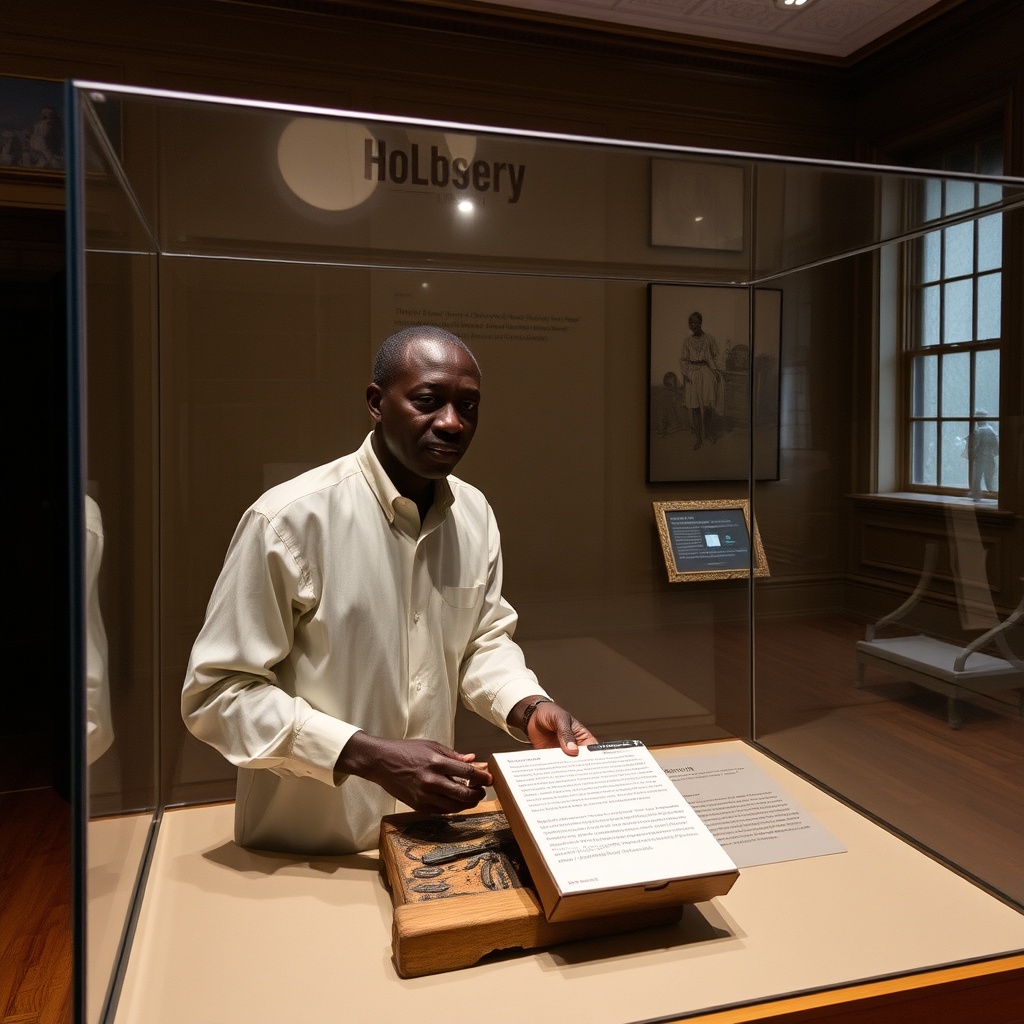
The slavery exhibit at the President's House Site is a powerful reminder of the institution of slavery and its ongoing impact on American society. The exhibit features a series of panels and displays that tell the story of the slaves who lived and worked at the President's House, as well as the broader history of slavery in the United States. The exhibit is significant not only because of its content but also because of its location. By situating the exhibit at the President's House Site, the city of Philadelphia is acknowledging the complex and often painful history of the city and the nation.
The exhibit is also important because it provides a platform for the voices and stories of the enslaved people who lived and worked at the President's House. For too long, the history of slavery in the United States has been told from the perspective of the enslavers, with the voices and experiences of the enslaved people themselves often marginalized or erased. The exhibit at the President's House Site helps to rectify this imbalance, providing a powerful and moving tribute to the men, women, and children who were forced to live and work in bondage.
According to a visitor to the site, "This is the American people fighting back and saying we will not accept this. Will not allow history to be rewritten." This sentiment reflects the importance of preserving and acknowledging the history of slavery in the United States. By confronting and learning from this difficult chapter in American history, we can work towards a more just and equitable society.
The Importance of Preserving and Acknowledging the History of Slavery
The restoration of the slavery exhibit at the President's House Site is a significant step towards preserving and acknowledging the history of slavery in the United States. However, it is only one part of a larger effort to confront and learn from this difficult chapter in American history. Across the United States, there are countless sites and memorials that commemorate the institution of slavery and the people who lived and worked in bondage.
One notable example is the National Museum of African American History and Culture in Washington, D.C. The museum features a powerful exhibit on the history of slavery in the United States, which includes artifacts, displays, and personal stories from the enslaved people themselves. The museum is a testament to the importance of preserving and acknowledging the history of slavery, and it provides a powerful platform for education and reflection.
In addition to museums and memorials, there are also many organizations and initiatives working to preserve and acknowledge the history of slavery in the United States. For example, the National Park Service has launched a number of initiatives to commemorate the history of slavery at national parks and historic sites across the country. These initiatives include the creation of new exhibits and displays, as well as the development of educational programs and materials.
According to statistics, over 70% of Americans believe that the history of slavery is an important part of American history that should be taught in schools. However, many schools and educational institutions struggle to find the resources and materials to effectively teach this complex and sensitive topic. The restoration of the slavery exhibit at the President's House Site, as well as the work of organizations and initiatives across the United States, helps to address this need and provide a more comprehensive and nuanced understanding of American history.
Conclusion
The restoration of the slavery exhibit at the President's House Site in Philadelphia is a significant step towards preserving and acknowledging the history of slavery in the United States. The exhibit provides a powerful reminder of the institution of slavery and its ongoing impact on American society, and it serves as a testament to the importance of confronting and learning from this difficult chapter in American history. As one visitor to the site noted, "This is the American people fighting back and saying we will not accept this. Will not allow history to be rewritten." By preserving and acknowledging the history of slavery, we can work towards a more just and equitable society, and we can ensure that the voices and stories of the enslaved people themselves are never forgotten.
In the future, it will be important to continue to preserve and acknowledge the history of slavery in the United States. This can be achieved through a variety of means, including the creation of new exhibits and displays, the development of educational programs and materials, and the support of organizations and initiatives working to commemorate the history of slavery. By working together, we can ensure that the history of slavery is never forgotten, and that we can learn from the past to build a better future for all.

Leave a comment