
Introduction
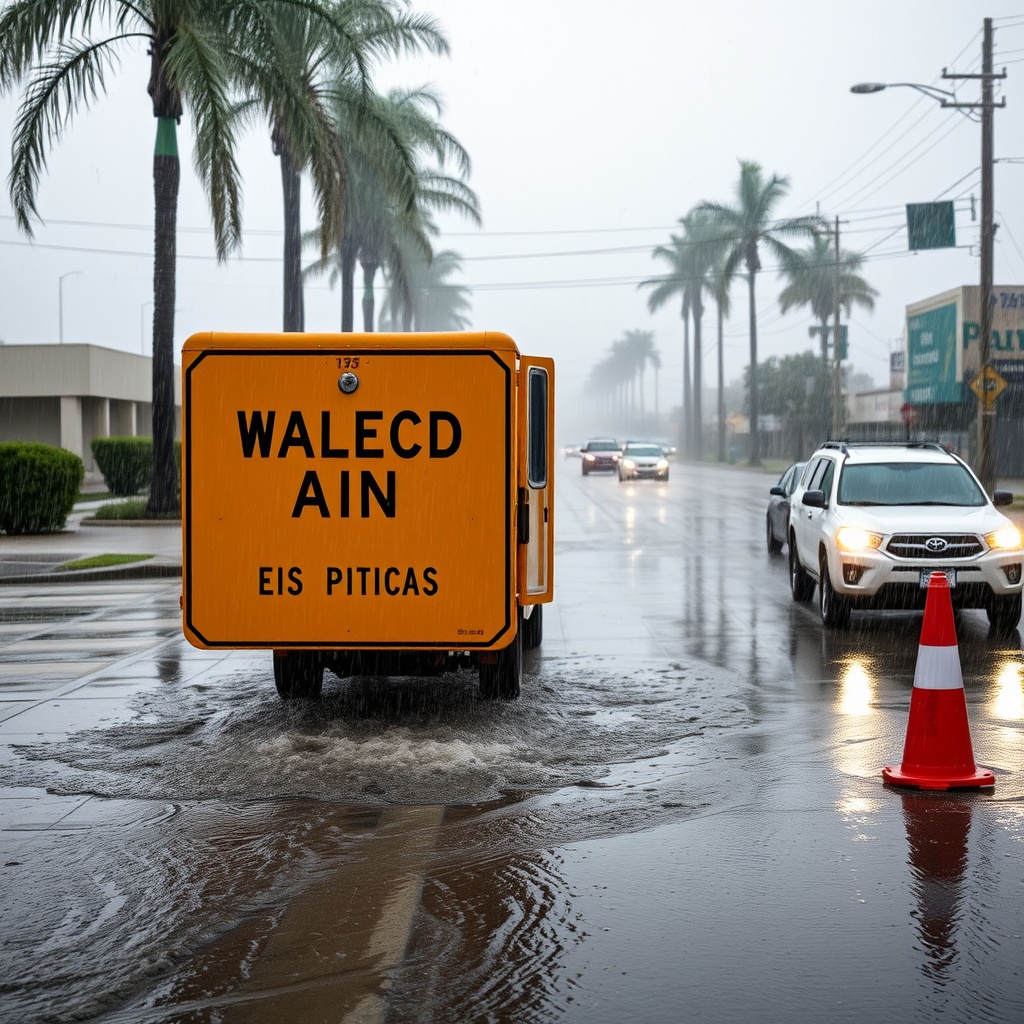
A powerful winter storm system has brought severe flooding rains to Southern California, forcing families to evacuate their homes in the Los Angeles area over the Christmas holiday. The storm, which made landfall on December 25, 2025, has triggered mudslides, flash flooding, and widespread power outages, leaving thousands of residents without electricity or access to basic necessities. As the storm continues to batter the region, officials have issued evacuation orders and warnings, urging residents to seek higher ground and avoid traveling unless absolutely necessary. In this article, we will delve into the details of the storm, its impact on the community, and the efforts being made to mitigate its effects.
Storm Overview and Impact
The winter storm system, which is being fueled by a strong low-pressure system, has brought heavy rainfall to the region, with some areas receiving over 5 inches of rain in a 24-hour period. The rain has caused widespread flooding, with roads and highways becoming impassable, and homes and businesses being inundated with water. The storm has also triggered mudslides, which have blocked roads and threatened homes in hillside areas. According to the National Weather Service, the storm has the potential to produce "life-threatening" flash flooding, with a flash flood watch in effect for much of the region.
The impact of the storm has been significant, with thousands of residents affected by the flooding and power outages. Many families have been forced to evacuate their homes, seeking shelter in emergency centers or with friends and family. The Los Angeles County Emergency Management Office has reported that over 1,000 homes have been evacuated, with many more under threat from the flooding. The American Red Cross has set up shelters in the affected areas, providing food, shelter, and emotional support to those in need.
Response and Relief Efforts
The response to the storm has been swift and coordinated, with emergency management officials, first responders, and volunteers working together to mitigate the effects of the flooding. The Los Angeles County Sheriff's Department has deployed personnel and equipment to assist with evacuations and search and rescue operations. The Los Angeles Fire Department has also responded to numerous calls for help, including rescuing people from flooded homes and vehicles.
The Federal Emergency Management Agency (FEMA) has been activated, with officials working to assess the damage and provide support to affected residents. The agency has deployed teams to the region to provide assistance with debris removal, flood mitigation, and other critical needs. The California Governor's Office of Emergency Services has also declared a state of emergency, which will provide additional resources and support to affected areas.
Economic and Environmental Impact
The economic impact of the storm is likely to be significant, with damage to homes, businesses, and infrastructure expected to run into the millions of dollars. The flooding has also disrupted transportation networks, with roads and highways closed due to flooding and mudslides. The Los Angeles International Airport has reported flight delays and cancellations, with many travelers stranded due to the storm.
The environmental impact of the storm is also a concern, with the flooding causing pollution and damage to natural habitats. The Los Angeles River, which runs through the city, has overflowed its banks, causing pollution and debris to flow into the ocean. The storm has also triggered landslides, which have blocked rivers and streams, causing further environmental damage.
Case Study: The 2018 Woolsey Fire and Mudslides
The current storm is not the first time that Southern California has experienced severe flooding and mudslides. In 2018, the Woolsey Fire burned over 96,000 acres in Ventura and Los Angeles counties, leaving a scarred landscape vulnerable to mudslides and flooding. The fire was followed by a series of storms, which triggered devastating mudslides in the Montecito area, killing 21 people and destroying over 100 homes.
The experience of the Woolsey Fire and mudslides has informed the response to the current storm, with officials taking a more proactive approach to evacuation and emergency management. The Los Angeles County Emergency Management Office has worked closely with local communities to develop emergency plans and conduct drills, which has helped to reduce the risk of injury and loss of life.
Statistics and Data
According to data from the National Weather Service, the storm has brought over 5 inches of rain to some areas, with the following statistics reported:
- Over 1,000 homes have been evacuated
- Thousands of residents are without power
- Roads and highways have been closed due to flooding and mudslides
- The Los Angeles River has overflowed its banks, causing pollution and debris to flow into the ocean
- The storm has triggered landslides, which have blocked rivers and streams, causing further environmental damage
The economic impact of the storm is also significant, with the following statistics reported:
- Damage to homes and businesses is expected to run into the millions of dollars
- The storm has disrupted transportation networks, with roads and highways closed due to flooding and mudslides
- The Los Angeles International Airport has reported flight delays and cancellations, with many travelers stranded due to the storm
Conclusion
The storm slamming Southern California has brought severe flooding rains, triggering evacuations and disrupting daily life for thousands of residents. The response to the storm has been swift and coordinated, with emergency management officials, first responders, and volunteers working together to mitigate the effects of the flooding. As the storm continues to batter the region, it is essential that residents remain vigilant and follow evacuation orders and warnings. The experience of the Woolsey Fire and mudslides has informed the response to the current storm, and officials are taking a more proactive approach to emergency management. As the region begins to recover from the storm, it is essential that we learn from this experience and work to mitigate the effects of future storms.

Leave a comment