
Introduction
The streets of Minnesota have become a battleground in recent times, with protesters and federal agents repeatedly clashing in a series of tense and often volatile confrontations. The situation has been escalating, with both sides dug in and refusing to back down. At the heart of the issue is a deep-seated mistrust and animosity between the protesters, who are largely comprised of community activists and social justice advocates, and the federal agents, who are tasked with maintaining law and order. In this article, we will delve into the reasons behind these clashes, the tactics employed by both sides, and the impact on the community.
The Roots of the Conflict
The protests in Minnesota are part of a larger national movement, sparked by high-profile incidents of police brutality and systemic racism. The killing of George Floyd, a black man who died in police custody in Minneapolis, was a catalyst for the protests, which have since spread to other parts of the state and the country. The protesters are demanding justice, accountability, and reform, and are calling for an end to what they see as a long history of police violence and oppression. However, the federal government has responded by deploying agents from various agencies, including the Department of Homeland Security, to quell the unrest and restore order. This has led to a standoff between the two sides, with the protesters viewing the federal agents as an occupying force and the agents seeing the protesters as a threat to public safety.
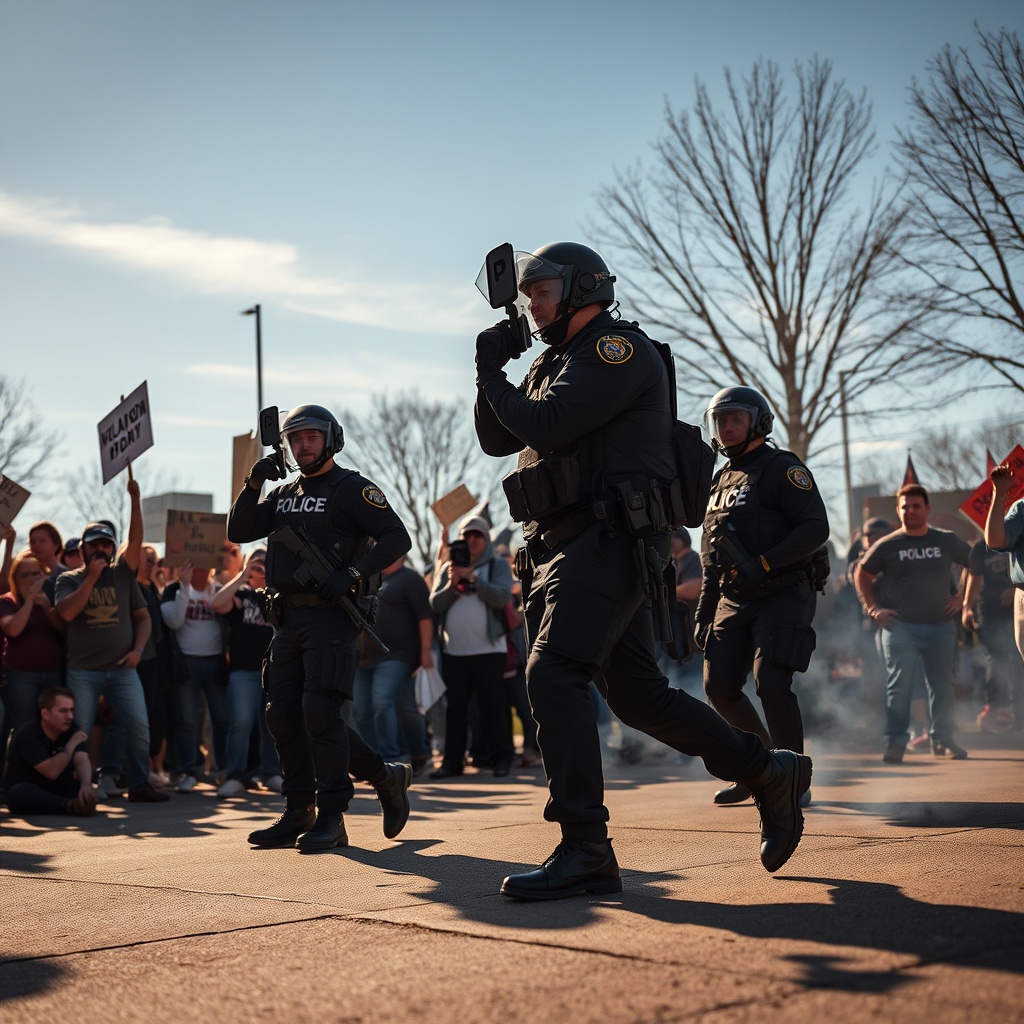
The situation on the ground is tense, with protesters often gathering in large numbers to confront the federal agents. The agents, who are heavily armed and equipped with riot gear, have been using a range of tactics to disperse the crowds, including pepper spray, tear gas, and batons. The protesters, on the other hand, have been using creative and often provocative tactics to challenge the agents, including booing, taunting, and blowing orange whistles when they spot the agents passing through in unmarked vehicles or walking the streets. According to a report by the PBS NewsHour, "It's common for people to boo, taunt and blow orange whistles when they spot heavily armed agents passing through in unmarked vehicles or walking the streets." This has created a sense of unease and uncertainty, with many in the community feeling that the situation is on the verge of spiraling out of control.
The Role of Federal Agents
The deployment of federal agents to Minnesota has been a contentious issue, with many questioning the necessity and legality of their presence. The agents, who are tasked with supporting local law enforcement and maintaining order, have been accused of using excessive force and violating the rights of protesters. The use of unmarked vehicles and plainclothes agents has also raised concerns, with some arguing that this is a deliberate attempt to intimidate and surveil the protesters. However, the federal government has defended the deployment, arguing that it is necessary to protect public safety and prevent violence.
The tactics employed by the federal agents have been a major point of contention. The use of pepper spray and tear gas has been particularly controversial, with many arguing that these tactics are disproportionate and unnecessary. The agents have also been accused of targeting specific individuals, including journalists and legal observers, in an attempt to disrupt the protests and gather intelligence. According to a report by the American Civil Liberties Union (ACLU), "The federal government's deployment of agents to Minnesota has been marked by a pattern of excessive force, arbitrary arrests, and violations of the rights of protesters." This has created a sense of mistrust and hostility towards the agents, with many in the community viewing them as an occupying force.
The Impact on the Community
The clashes between protesters and federal agents have had a significant impact on the community, with many feeling that the situation is on the verge of spiraling out of control. The use of force by the agents has led to injuries and arrests, and has created a sense of fear and uncertainty. The protests have also disrupted daily life, with many businesses and schools closing due to the unrest. However, the protests have also brought the community together, with many rallying around the cause and calling for justice and reform.
The impact on local businesses has been particularly significant, with many forced to close due to the unrest. According to a report by the Minnesota Star Tribune, "The protests have had a devastating impact on local businesses, with many forced to close due to the unrest." This has created a sense of economic uncertainty, with many wondering how the situation will be resolved and what the long-term impact will be. However, the protests have also created a sense of community and solidarity, with many coming together to support each other and call for change.
Conclusion
The clashes between protesters and federal agents in Minnesota are a symptom of a deeper issue, one that requires a fundamental transformation of the way that law enforcement interacts with the community. The use of force by the agents has created a sense of mistrust and hostility, and has undermined the legitimacy of the government. However, the protests have also brought attention to the issue, and have created a sense of urgency and momentum for reform. As the situation continues to unfold, it is clear that a new approach is needed, one that prioritizes community engagement, de-escalation, and accountability. Only through this approach can we hope to build a more just and equitable society, one that values the rights and dignity of all individuals.
The future of the protests and the role of federal agents in Minnesota remains uncertain. However, one thing is clear: the situation will continue to be a major point of contention, with many in the community calling for justice and reform. The federal government must listen to these calls and work to address the underlying issues, rather than simply trying to suppress the protests. By doing so, we can create a more just and equitable society, one that values the rights and dignity of all individuals. The protests in Minnesota are a call to action, a reminder that we must work together to create a better future for all.

Leave a comment