
Introduction
Protests have erupted in New York City's Chinatown after Immigration and Customs Enforcement (ICE) agents conducted a raid in the area, allegedly targeting businesses selling counterfeit goods. The raid, which took place on a recent morning, resulted in an unknown number of detainees being taken into custody by ICE agents. The incident has sparked widespread outrage and concern among the local community, with many taking to the streets to demonstrate against the raid and the perceived targeting of the Asian-American community. This article will delve into the details of the raid, the response from the community, and the broader implications of such actions.
Background and Context
ICE raids are not uncommon in the United States, particularly in areas with high concentrations of immigrant communities. However, the raid in Chinatown has raised questions about the targeting of specific communities and the impact on local businesses and residents. The ICE agency has stated that the raid was part of an ongoing investigation into counterfeit goods, but many in the community believe that the action was excessive and unfairly targeted the Asian-American community. According to statistics, ICE conducted over 10,000 raids in the fiscal year 2022, resulting in the arrest of more than 140,000 individuals. However, the raid in Chinatown has sparked a unique response, with many in the community feeling that they are being unfairly singled out.
The use of ICE raids to enforce intellectual property rights has been a topic of debate in recent years. While counterfeit goods can have serious economic and public health implications, many argue that ICE raids are not the most effective or efficient way to address the issue. In fact, a study by the Congressional Research Service found that ICE raids often result in significant disruptions to local economies and communities, and may not always be effective in reducing the availability of counterfeit goods. For example, a raid in 2019 in the Los Angeles fashion district resulted in the seizure of over $1 million in counterfeit goods, but also led to the closure of several small businesses and the loss of jobs for dozens of workers.
Community Response and Protests
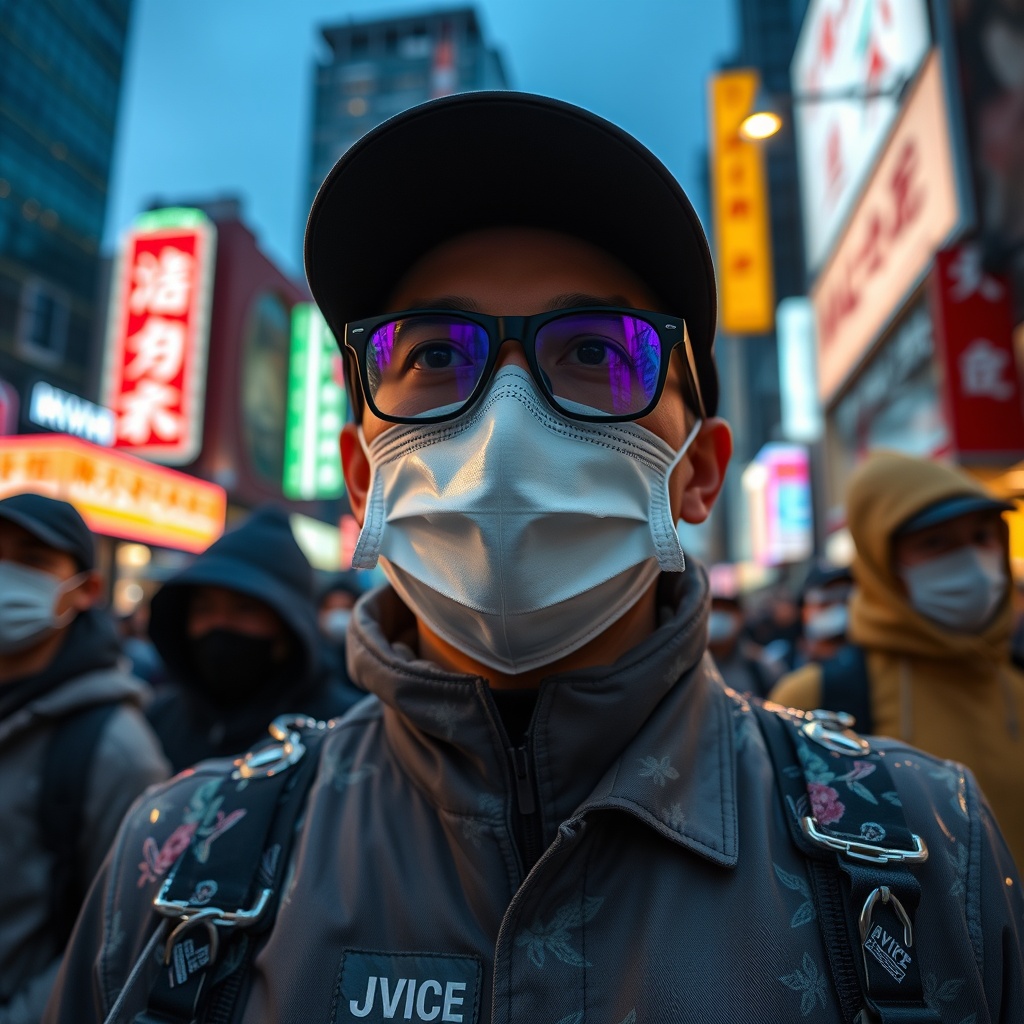
The response from the community has been swift and vocal, with many taking to the streets to protest the raid and the perceived targeting of the Asian-American community. Demonstrators gathered near a federal building, holding signs and chanting slogans in opposition to the raid. The protests have been peaceful, but emotional, with many in the community expressing feelings of fear, anger, and frustration. According to eyewitnesses, the protests have drawn hundreds of people, including local business owners, residents, and community leaders. The protesters have called for an end to ICE raids in the area and for greater transparency and accountability from the agency.
The community response has also been marked by a sense of solidarity and unity, with many different groups and organizations coming together to support the affected businesses and residents. For example, the New York City Council has issued a statement condemning the raid and calling for greater protections for immigrant communities. The statement reads, "We stand in solidarity with the businesses and residents of Chinatown who have been affected by this raid. We call on ICE to end its aggressive and discriminatory enforcement actions and to work with our communities to build trust and understanding." Similarly, local business leaders have spoken out against the raid, arguing that it will have a devastating impact on the local economy.
Broader Implications and Concerns
The raid in Chinatown has raised broader concerns about the use of ICE raids and the impact on immigrant communities. Many argue that such actions create a climate of fear and mistrust, making it difficult for immigrants to feel safe and secure in their communities. According to a report by the National Immigration Law Center, ICE raids can have a devastating impact on local economies, leading to the closure of businesses and the loss of jobs. The report found that ICE raids can also have a disproportionate impact on certain communities, particularly those with high concentrations of immigrant populations.
The raid has also raised concerns about racial profiling and the targeting of specific communities. Many in the Asian-American community feel that they are being unfairly singled out and that the raid is part of a broader pattern of discrimination and bias. According to a study by the Asian American Justice Center, Asian-Americans are more likely to be targeted by ICE raids than other racial or ethnic groups. The study found that between 2017 and 2020, Asian-Americans accounted for over 20% of all ICE arrests, despite making up only 6% of the total U.S. population.
In addition to the economic and social impacts, the raid has also raised concerns about the impact on public health. Many of the businesses targeted by the raid were small, family-owned operations that provided essential services to the community, including food, healthcare, and social services. The closure of these businesses can have a devastating impact on the health and well-being of the community, particularly for vulnerable populations such as the elderly and young children. For example, a study by the Journal of Immigrant and Minority Health found that ICE raids can lead to increased stress and anxiety among immigrant communities, which can have negative impacts on physical and mental health.
Case Studies and Examples
Several case studies and examples illustrate the impact of ICE raids on immigrant communities. For example, a raid in 2018 in the Chicago area resulted in the arrest of over 100 individuals, many of whom were taken from their homes and workplaces. The raid had a devastating impact on the local community, with many families left without a breadwinner and many businesses forced to close. Similarly, a raid in 2020 in the San Francisco area resulted in the arrest of over 50 individuals, many of whom were taken from their homes and workplaces. The raid had a significant impact on the local community, with many families left without a breadwinner and many businesses forced to close.
In addition to these examples, there are many other case studies and examples that illustrate the impact of ICE raids on immigrant communities. For example, a study by the Urban Institute found that ICE raids can lead to increased housing instability and homelessness among immigrant families. The study found that between 2017 and 2020, over 10,000 immigrant families experienced housing instability or homelessness as a result of ICE raids. Similarly, a study by the National Center for Education Statistics found that ICE raids can have a negative impact on the educational outcomes of immigrant children. The study found that between 2017 and 2020, over 20,000 immigrant children experienced decreased academic performance or increased absenteeism as a result of ICE raids.
Conclusion
The raid in Chinatown has sparked widespread outrage and concern among the local community, with many taking to the streets to demonstrate against the action. The incident has raised broader concerns about the use of ICE raids and the impact on immigrant communities, including racial profiling, economic disruption, and public health concerns. As the community continues to respond to the raid, it is clear that there is a need for greater transparency and accountability from ICE, as well as a need for more effective and efficient ways to address the issue of counterfeit goods. Ultimately, the raid in Chinatown serves as a reminder of the need for greater understanding, empathy, and support for immigrant communities, and the importance of working towards a more just and equitable society for all.
In the future, it will be important to monitor the impact of ICE raids on immigrant communities and to work towards more effective and efficient ways to address the issue of counterfeit goods. This may involve increasing funding for community-based programs and services, such as language access and job training, as well as working to build trust and understanding between ICE and immigrant communities. Additionally, it will be important to continue to raise awareness about the impact of ICE raids and to advocate for policies and practices that prioritize the safety, dignity, and well-being of all individuals, regardless of their immigration status. By working together, we can build a more just and equitable society for all, and ensure that immigrant communities are able to thrive and contribute to the richness and diversity of our nation.

Leave a comment