Introduction
Protests have been spreading across Iran for the third consecutive day, as the country's currency, the rial, hits a record low against the US dollar. The demonstrations, which originated in the capital city of Tehran, have now expanded to several other cities, with citizens expressing their frustration and discontent over the rising inflation and devaluation of the currency. The economic downturn has had a significant impact on the daily lives of Iranians, making it increasingly difficult for them to afford basic necessities. This article will delve into the causes and consequences of the protests, as well as the government's response to the unrest.
Economic Crisis and Currency Devaluation
The Iranian economy has been facing significant challenges in recent years, including high inflation, unemployment, and a decline in the value of the rial. The currency has lost nearly 70% of its value against the US dollar over the past year, making imports more expensive and contributing to rising prices for basic goods such as food and medicine. The situation has been exacerbated by the reimposition of US sanctions on Iran, which has limited the country's access to international markets and further weakened the economy.
According to recent statistics, the inflation rate in Iran has risen to over 40%, with some estimates suggesting that the actual rate may be even higher. The devaluation of the rial has also made it difficult for businesses to import goods, leading to shortages and further price increases. The economic crisis has had a disproportionate impact on low-income households, who are struggling to make ends meet and provide for their families.
For example, the price of bread, a staple food in Iran, has increased by over 50% in the past year, making it difficult for many families to afford. Similarly, the cost of medicine and healthcare has risen significantly, putting a strain on the country's already overburdened healthcare system. The economic crisis has also had a significant impact on the country's middle class, who are seeing their purchasing power decline and their standard of living deteriorate.
Protests and Demonstrations
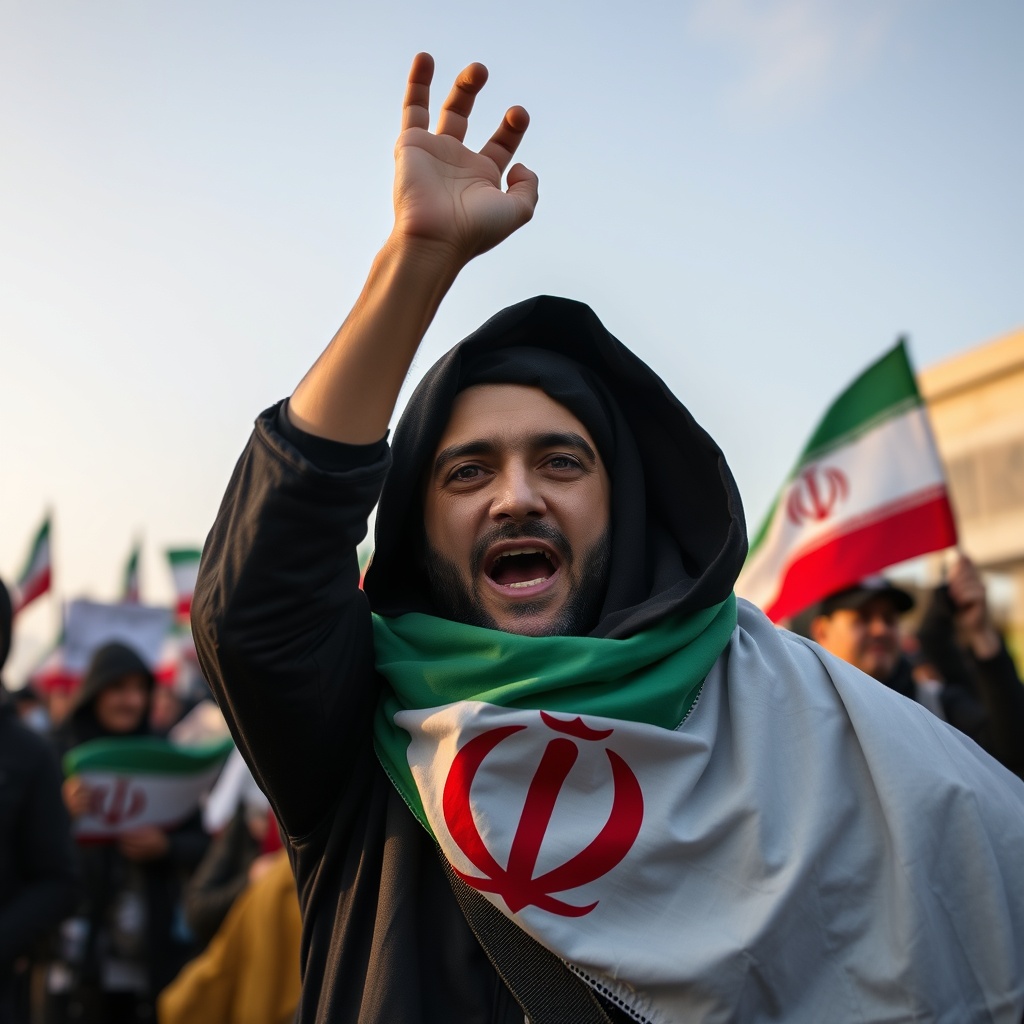
The protests, which began in Tehran, have now spread to several other cities, including Mashhad, Isfahan, and Shiraz. The demonstrations have been largely peaceful, with protesters chanting slogans and holding signs calling for economic reform and an end to corruption. However, there have been reports of clashes between protesters and security forces, with some protesters being arrested and detained.
The protests have been organized largely through social media, with activists using platforms such as Twitter and Instagram to mobilize support and coordinate demonstrations. The use of social media has allowed protesters to bypass traditional media outlets, which are often controlled by the government, and reach a wider audience.
For example, the hashtag #IranProtests has been trending on Twitter, with thousands of users sharing updates and photos from the demonstrations. The use of social media has also allowed protesters to share their experiences and perspectives, providing a unique insight into the lives and struggles of ordinary Iranians.
Government Response
The Iranian government has responded to the protests with a mixture of force and conciliation. Security forces have been deployed to the streets to maintain order and prevent the protests from spreading. However, the government has also acknowledged the economic challenges facing the country and has promised to take steps to address them.
In a recent speech, President Ebrahim Raisi acknowledged the difficulties faced by ordinary Iranians and promised to take action to reduce inflation and improve the economy. However, the government's response has been criticized by many as inadequate, with some arguing that more needs to be done to address the root causes of the economic crisis.
For example, the government has announced plans to increase subsidies for low-income households and to provide support for small businesses. However, these measures have been criticized as insufficient, and many argue that more fundamental reforms are needed to address the country's economic challenges.
International Reaction
The international community has been watching the developments in Iran with interest, with many countries expressing concern over the economic crisis and the government's response to the protests. The US, in particular, has been critical of the Iranian government, with the State Department issuing a statement calling for the government to respect the rights of protesters and to take steps to address the economic challenges facing the country.
The European Union has also expressed concern over the situation in Iran, with the EU's foreign policy chief, Josep Borrell, issuing a statement calling for calm and restraint. The EU has also announced plans to provide support to Iran to help address the economic crisis, including providing humanitarian aid and technical assistance.
For example, the EU has announced plans to provide €20 million in humanitarian aid to Iran, which will be used to support vulnerable populations, including refugees and migrants. The EU has also announced plans to provide technical assistance to Iran to help the country develop its economy and improve its business environment.
Conclusion
The protests in Iran are a symptom of a deeper economic crisis that has been affecting the country for some time. The devaluation of the rial, rising inflation, and shortages of basic goods have made life increasingly difficult for ordinary Iranians, who are struggling to make ends meet and provide for their families. The government's response to the protests has been inadequate, and more needs to be done to address the root causes of the economic crisis.
As the situation in Iran continues to unfold, it is clear that the country is at a crossroads. The government must take steps to address the economic challenges facing the country, including reducing inflation, improving the business environment, and increasing support for low-income households. The international community must also play a role, providing support and assistance to help Iran address its economic challenges and promote stability and prosperity in the region.
In the long term, the protests in Iran may have significant implications for the country's politics and economy. The demonstrations have shown that the Iranian people are no longer willing to accept the status quo and are demanding change. The government must respond to these demands, taking steps to address the economic challenges facing the country and to promote greater transparency and accountability.
Ultimately, the future of Iran depends on the ability of the government to respond to the needs and aspirations of its people. The protests have shown that the Iranian people are a powerful force for change, and it is up to the government to harness this energy and promote a more prosperous and stable future for all Iranians. With the right policies and support, Iran can overcome its economic challenges and emerge as a strong and vibrant economy, with a bright future ahead.

Leave a comment