
Introduction
The recent protests in Minneapolis have brought attention to a tragic event that has sparked outrage and demands for justice. The killing of Renee Nicole Good by an ICE agent has ignited a wave of community-led protests, with demonstrators calling for accountability and an end to the perceived brutality of Immigration and Customs Enforcement (ICE). This article will delve into the details of the protests, the circumstances surrounding Renee Good's death, and the broader context of ICE's role in the United States. Through a combination of photographs, eyewitness accounts, and expert analysis, we will explore the complexities of this issue and the impact it has on the community.
The Protests: A Community United
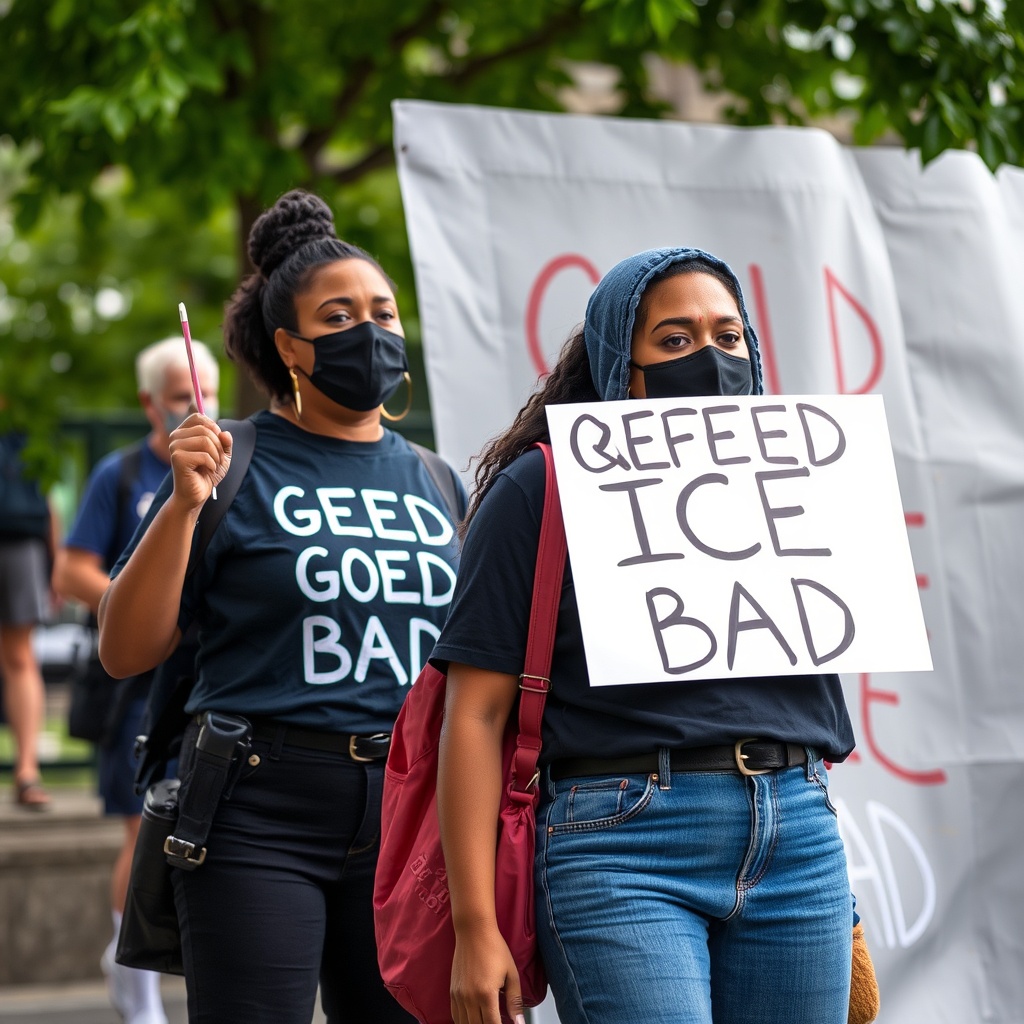
The protests in Minneapolis have been marked by a sense of unity and determination among community members. Hundreds of people have gathered to demand justice for Renee Good and to express their discontent with ICE's actions. The protests have been peaceful, with demonstrators holding signs that read "Renee Good, ICE bad" and "Justice for Renee." The community has come together to support the family of Renee Good and to call for an end to the violence and intimidation that ICE has been accused of perpetuating.
According to eyewitnesses, the protests have been emotional and powerful, with many speakers sharing their personal experiences with ICE and the fear that the agency has instilled in their communities. The protests have also been marked by a sense of solidarity, with community members from diverse backgrounds coming together to support one another. As one protester noted, "We are not just fighting for Renee Good; we are fighting for all the people who have been hurt by ICE's actions."
The photographs from the protests capture the emotion and determination of the community. Images of protesters holding signs, chanting slogans, and marching through the streets of Minneapolis convey the sense of urgency and anger that has driven the protests. The photographs also show the human side of the protests, with images of families, children, and community leaders coming together to demand justice.
The Circumstances Surrounding Renee Good's Death
The circumstances surrounding Renee Good's death are still unclear, but according to reports, she was killed by an ICE agent on January 7. The incident has sparked widespread outrage, with many questioning the use of force by ICE agents. The agency has been accused of using excessive force and violating the rights of immigrants and community members.
The death of Renee Good has also highlighted the broader issues surrounding ICE's role in the United States. The agency has been criticized for its treatment of immigrants, including the separation of families and the detention of asylum seekers. Many have called for ICE to be abolished, arguing that its actions are inhumane and violate the principles of justice and equality.
The investigation into Renee Good's death is ongoing, but the community is demanding answers and accountability. As one community leader noted, "We need to know what happened to Renee Good, and we need to make sure that those responsible are held accountable." The community is also calling for reforms to ICE's policies and practices, including an end to the use of force and the establishment of clear guidelines for agent conduct.
The Broader Context: ICE's Role in the United States
The protests in Minneapolis are part of a larger conversation about ICE's role in the United States. The agency has been at the center of controversy in recent years, with many criticizing its treatment of immigrants and its perceived disregard for human rights. ICE has been accused of using aggressive tactics, including raids and arrests, to detain and deport immigrants.
The agency's actions have had a profound impact on communities across the United States. Many immigrants live in fear of ICE, afraid of being detained or deported. The agency's actions have also had a ripple effect, with families and communities affected by the trauma and uncertainty of ICE's presence.
The photographs from the protests in Minneapolis capture the human side of this issue, with images of families, children, and community leaders coming together to demand justice and an end to ICE's perceived brutality. The photographs also convey the sense of fear and uncertainty that ICE has instilled in many communities, with images of protesters holding signs that read "No more ICE" and "Abolish ICE."
According to statistics, ICE's actions have resulted in the detention and deportation of hundreds of thousands of people. The agency's budget has also increased significantly in recent years, with many questioning the use of taxpayer dollars to fund ICE's activities. As one expert noted, "The money spent on ICE could be better spent on community programs and services that support immigrant families and promote integration."
Conclusion
The protests in Minneapolis have brought attention to a tragic event that has sparked outrage and demands for justice. The killing of Renee Nicole Good by an ICE agent has ignited a wave of community-led protests, with demonstrators calling for accountability and an end to the perceived brutality of ICE. Through a combination of photographs, eyewitness accounts, and expert analysis, we have explored the complexities of this issue and the impact it has on the community.
As the community continues to demand justice for Renee Good, it is clear that this issue is part of a larger conversation about ICE's role in the United States. The agency's actions have had a profound impact on communities across the country, with many living in fear of ICE and its perceived disregard for human rights. The protests in Minneapolis are a call to action, a reminder that the community will not stand idly by while ICE's actions continue to harm and intimidate.
In the future, it is essential that ICE's actions are held accountable, and that the agency is reformed to prioritize justice, equality, and human rights. The community's demands for justice and an end to ICE's perceived brutality must be heard, and the agency must be held responsible for its actions. As one protester noted, "We will not forget Renee Good, and we will continue to fight for justice and an end to ICE's brutality." The photographs from the protests will serve as a reminder of the community's determination and resilience, and the importance of continuing to demand justice and accountability.

Leave a comment