
Introduction
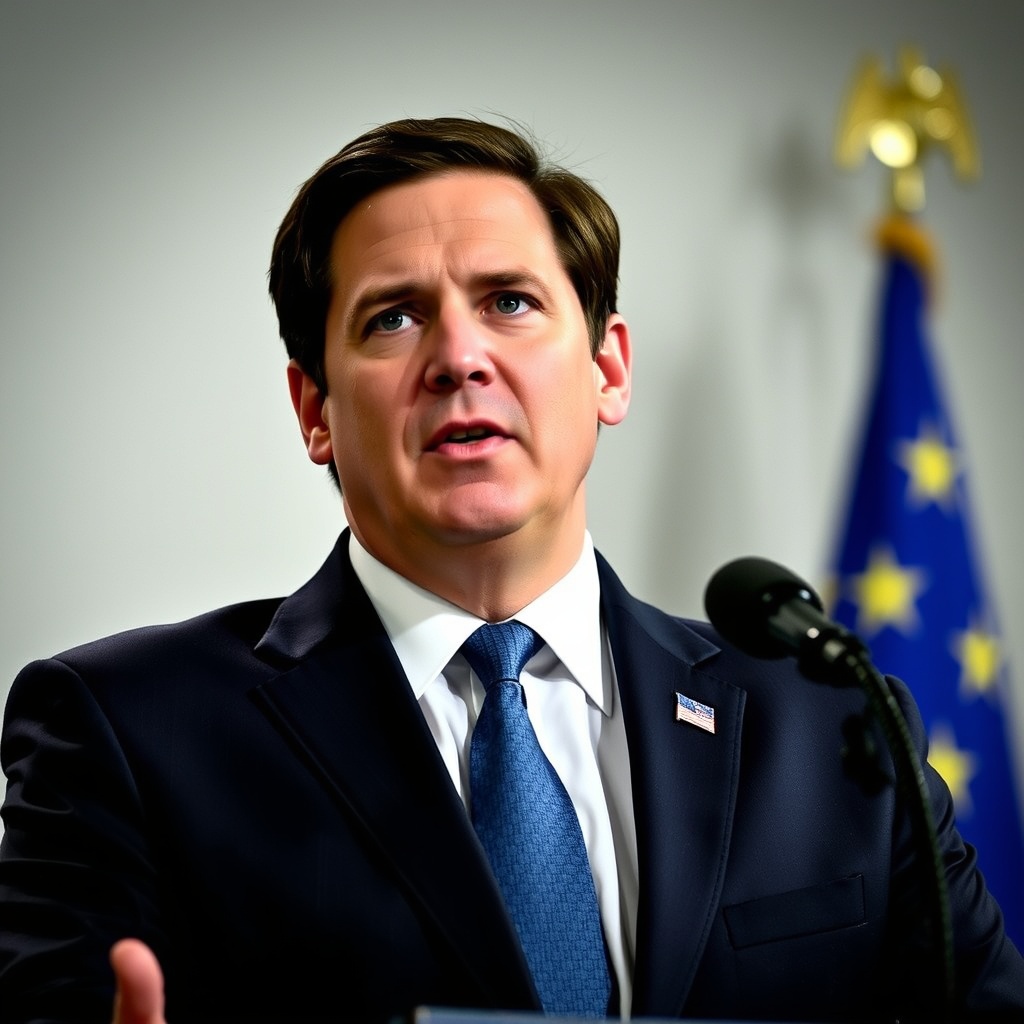
In a recent speech at the Munich Security Conference, U.S. Secretary of State Marco Rubio adopted a softer tone while still maintaining the firm stance of the Trump administration. This approach is significant, as it reflects the ongoing efforts of the United States to reassure its European allies while upholding its own interests and policies. The speech is a notable example of the complex diplomatic landscape that the U.S. navigates, particularly in its relationships with European nations. This article will delve into the details of Rubio's speech, the context of U.S.-European relations, and the implications of this softer yet firm tone for international diplomacy.
The Context of U.S.-European Relations
The relationship between the United States and its European allies has been a cornerstone of global stability and security since the end of World War II. However, in recent years, this alliance has faced numerous challenges, including disagreements over trade policies, security strategies, and responses to global crises. The Trump administration's approach to international relations, characterized by a more isolationist and transactional stance, has particularly strained these relationships. Despite these tensions, European allies remain crucial for U.S. foreign policy, given their strategic location, economic power, and shared values of democracy and human rights.
The Munich Security Conference, where Rubio delivered his speech, is an annual gathering of senior policymakers and experts from around the world to discuss pressing security issues. It provides a platform for leaders to articulate their vision for international security and to engage in dialogue with other nations. Rubio's speech at this conference was closely watched, as it offered insights into the current administration's approach to European relations and global security.
The Content and Implications of Rubio's Speech
Rubio's speech was notable for its softer tone, which contrasted with the more confrontational rhetoric that has sometimes characterized the Trump administration's interactions with European allies. This shift in tone suggests an effort to reassure allies of the U.S. commitment to their security and to the transatlantic relationship, while also acknowledging the importance of cooperation in addressing common challenges such as terrorism, cyber threats, and the rise of China.
However, despite the softer tone, Rubio's speech also reiterated the Trump administration's firm stance on several key issues. These include the need for European allies to increase their defense spending, the importance of U.S. leadership in NATO, and the expectation that allies will work closely with the U.S. on issues like counter-terrorism and non-proliferation. This firm stance reflects the administration's belief in the need for a strong and assertive U.S. presence on the world stage, as well as its skepticism towards multilateral institutions and agreements that it sees as constraining U.S. power.
The implications of Rubio's speech are multifaceted. On one hand, the softer tone may help to alleviate some of the concerns among European allies about the U.S. commitment to their security and to the transatlantic alliance. This could potentially lead to increased cooperation on key issues, such as defense modernization and counter-terrorism. On the other hand, the firm stance on issues like defense spending and U.S. leadership in NATO may continue to create tensions, particularly if European allies feel that the U.S. is not adequately consulting with them or respecting their interests.
Case Studies and Examples
To understand the significance of Rubio's speech, it is useful to consider some case studies and examples. For instance, the debate over defense spending within NATO has been a contentious issue between the U.S. and its European allies. The Trump administration has consistently pushed for European nations to meet the NATO target of spending 2% of their GDP on defense, arguing that this is necessary to ensure the alliance's military effectiveness and to share the burden of defense more equitably.
However, many European nations have been slow to meet this target, citing budget constraints and other priorities. This has led to frustration in Washington, with some U.S. officials questioning the commitment of European allies to their own defense. Rubio's speech may have helped to ease some of these tensions, by emphasizing the importance of cooperation and collective defense, while also reiterating the need for European nations to take their defense responsibilities more seriously.
Another example is the issue of counter-terrorism, where the U.S. and its European allies have a strong shared interest in cooperating to prevent and respond to terrorist threats. However, there have been disagreements over issues like intelligence sharing, border security, and the use of military force against terrorist groups. Rubio's speech may have helped to reassure European allies that the U.S. is committed to working with them on these issues, while also emphasizing the need for a strong and effective counter-terrorism strategy.
Statistics and Data
To put the context and implications of Rubio's speech into perspective, it is useful to consider some statistics and data. For example, according to NATO's own estimates, only a handful of European allies have met the 2% defense spending target, with many others falling short. This has led to a significant imbalance in defense spending between the U.S. and its European allies, with the U.S. shouldering a disproportionate share of the burden.
Moreover, a survey conducted by the Pew Research Center found that many Europeans have doubts about the U.S. commitment to their security, with a significant percentage expressing concern that the U.S. would not come to their defense in the event of an attack. This lack of confidence reflects the strains in the transatlantic relationship and the need for reassurance and cooperation.
On the other hand, data also shows that the U.S. and its European allies have a strong foundation for cooperation on issues like trade, energy security, and non-proliferation. For example, the U.S. and the European Union have a large and integrated trade relationship, with billions of dollars in goods and services exchanged each year. This economic interdependence provides a powerful incentive for cooperation and coordination on a range of issues.
Conclusion
In conclusion, Rubio's speech to European allies at the Munich Security Conference reflects a nuanced and multifaceted approach to international diplomacy. The softer tone adopted by Rubio may help to reassure European allies of the U.S. commitment to their security and to the transatlantic alliance, while the firm stance on key issues like defense spending and U.S. leadership in NATO underscores the administration's belief in the need for a strong and assertive U.S. presence on the world stage.
As the U.S. and its European allies navigate the complexities of the 21st century, they will need to balance their shared interests and values with their respective national interests and priorities. This will require a deepening of cooperation on key issues like defense, counter-terrorism, and non-proliferation, as well as a willingness to address the tensions and disagreements that have arisen in recent years.
Ultimately, the success of this effort will depend on the ability of the U.S. and its European allies to find common ground and to work together in a spirit of mutual respect and cooperation. As Rubio's speech suggests, there are opportunities for progress and cooperation, but these will need to be seized and built upon in the months and years ahead. The future of the transatlantic alliance, and the stability and security of the global order, depend on it.

Leave a comment