
Introduction
The recent sinking of a Russian liquefied natural gas (LNG) tanker in the Mediterranean has sparked a wave of tension and blame-shifting between Russia and Ukraine. According to reports, the tanker was hit by explosions and a fire, resulting in its sinking between Libya and Malta. Russia has been quick to point fingers at Ukrainian naval drones, accusing them of being responsible for the attack. This incident has significant implications for the ongoing conflict between Russia and Ukraine, as well as the global energy market. In this article, we will delve into the details of the incident, examine the responses from Russia and Ukraine, and explore the potential consequences of this event.
Background and Incident Details
The Russian LNG tanker, which was carrying a cargo of liquefied natural gas, was traveling through the Mediterranean when it was struck by explosions and a fire. The incident occurred in the early hours of the morning, and the tanker sank shortly thereafter. The crew on board the tanker was evacuated, and there were no reported casualties. The cause of the explosions and fire is still under investigation, but Russia has already begun to blame Ukrainian naval drones for the attack.
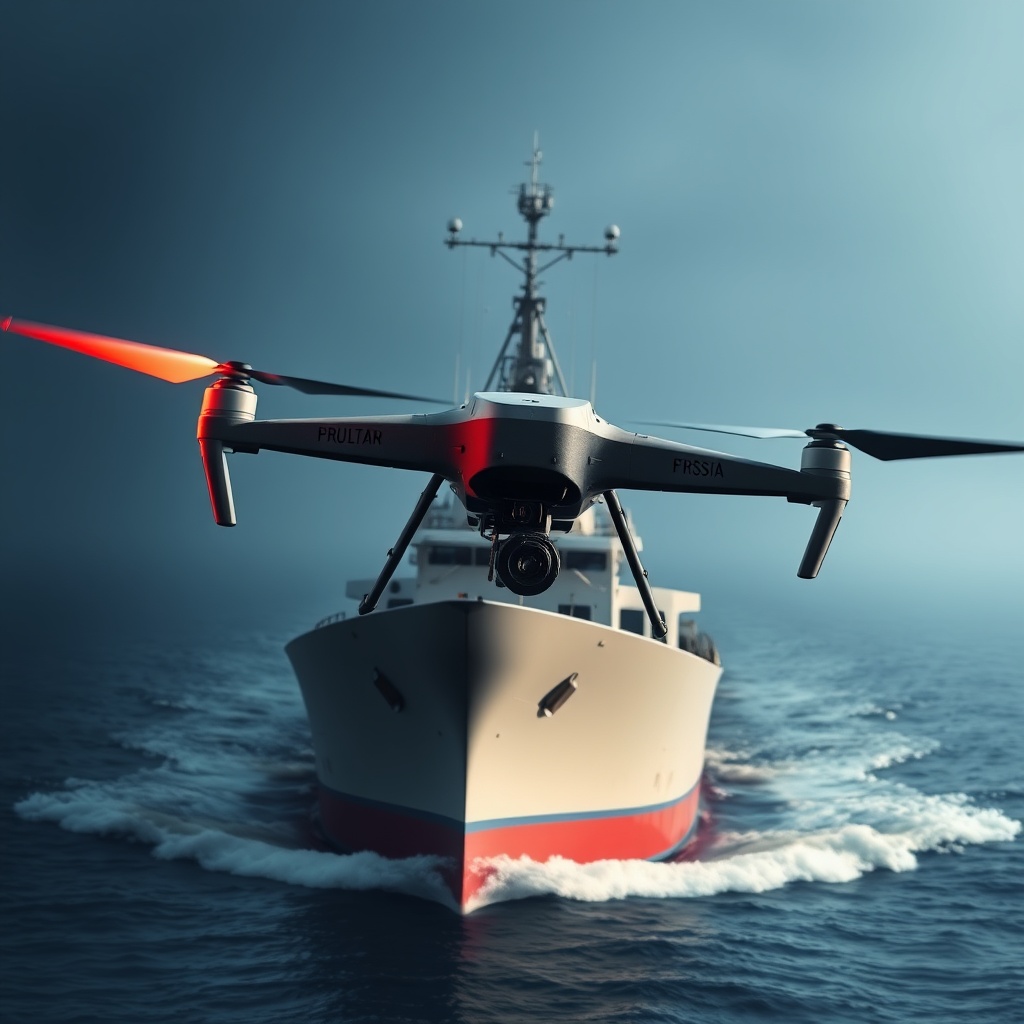
The use of naval drones by Ukraine has been a point of contention between Russia and Ukraine for some time. Ukraine has been using these drones to attack Russian ships and ports, in an effort to disrupt Russia's ability to transport goods and supplies. Russia, on the other hand, has accused Ukraine of using these drones to launch unprovoked attacks on its ships and civilians. The sinking of the LNG tanker is the latest incident in a long line of attacks and counter-attacks between the two countries.
According to a statement by the Russian Ministry of Defense, the Ukrainian naval drones were launched from a location in the Mediterranean, and were equipped with explosives and other munitions. The statement claimed that the drones were able to evade Russian defenses and strike the tanker with precision. Ukraine has denied any involvement in the attack, and has accused Russia of fabricating the story in order to justify further aggression against Ukraine.
Responses from Russia and Ukraine
The responses from Russia and Ukraine to the sinking of the LNG tanker have been predictably antagonistic. Russia has vowed to take revenge against Ukraine for the attack, and has threatened to launch a series of retaliatory strikes against Ukrainian targets. Ukraine, on the other hand, has denied any involvement in the attack, and has accused Russia of trying to frame it for the incident.
The Russian government has also been quick to point out the potential consequences of the attack for the global energy market. Russia is one of the world's largest producers of natural gas, and the sinking of the LNG tanker could have a significant impact on the global supply of energy. The Russian government has warned that the attack could lead to a shortage of natural gas, and has threatened to cut off supplies to Europe if Ukraine is found to be responsible.
Ukraine, on the other hand, has accused Russia of trying to use the incident as a pretext for further aggression against Ukraine. The Ukrainian government has pointed out that Russia has a history of fabricating stories and blaming Ukraine for incidents that it has itself caused. Ukraine has also accused Russia of trying to distract attention from its own role in the conflict, and has called for an independent investigation into the sinking of the LNG tanker.
Global Implications and Potential Consequences
The sinking of the Russian LNG tanker has significant implications for the global energy market, as well as the ongoing conflict between Russia and Ukraine. The incident has the potential to disrupt the global supply of natural gas, and could lead to a shortage of energy in Europe and other parts of the world.
The incident also has the potential to escalate the conflict between Russia and Ukraine, and could lead to further violence and instability in the region. The use of naval drones by Ukraine has been a point of contention between the two countries, and the sinking of the LNG tanker is likely to increase tensions and lead to further retaliation.
In terms of global implications, the incident highlights the vulnerability of the global energy market to disruptions and attacks. The use of naval drones to attack ships and ports is a relatively new phenomenon, and it has the potential to cause significant damage to the global economy. The incident also highlights the need for greater cooperation and diplomacy between nations, in order to prevent the escalation of conflicts and the disruption of global trade.
According to a report by the International Energy Agency (IEA), the global energy market is already facing significant challenges, including a shortage of natural gas and a rise in energy prices. The sinking of the Russian LNG tanker is likely to exacerbate these challenges, and could lead to a significant increase in energy prices and a shortage of natural gas.
In conclusion, the sinking of the Russian LNG tanker in the Mediterranean is a significant incident that has the potential to escalate the conflict between Russia and Ukraine, and disrupt the global energy market. The use of naval drones by Ukraine has been a point of contention between the two countries, and the incident highlights the need for greater cooperation and diplomacy in order to prevent the escalation of conflicts and the disruption of global trade.
Conclusion
The sinking of the Russian LNG tanker is a complex and multifaceted incident that has significant implications for the global energy market and the ongoing conflict between Russia and Ukraine. The use of naval drones by Ukraine has been a point of contention between the two countries, and the incident highlights the need for greater cooperation and diplomacy in order to prevent the escalation of conflicts and the disruption of global trade.
As the investigation into the sinking of the LNG tanker continues, it is clear that the incident has the potential to have far-reaching consequences for the global energy market and the conflict between Russia and Ukraine. The international community must work together to prevent the escalation of conflicts and the disruption of global trade, and to ensure that the global energy market is able to meet the needs of nations around the world.
In the future, it is likely that the use of naval drones will become an increasingly important factor in the conflict between Russia and Ukraine, as well as in other conflicts around the world. The development of these drones has the potential to revolutionize the way that wars are fought, and to create new challenges and opportunities for nations and non-state actors.
Ultimately, the sinking of the Russian LNG tanker is a reminder of the complexities and challenges of the modern world, and the need for greater cooperation and diplomacy in order to prevent the escalation of conflicts and the disruption of global trade. As the world continues to evolve and change, it is clear that the use of naval drones and other advanced technologies will play an increasingly important role in shaping the course of global events.

Leave a comment