
Introduction
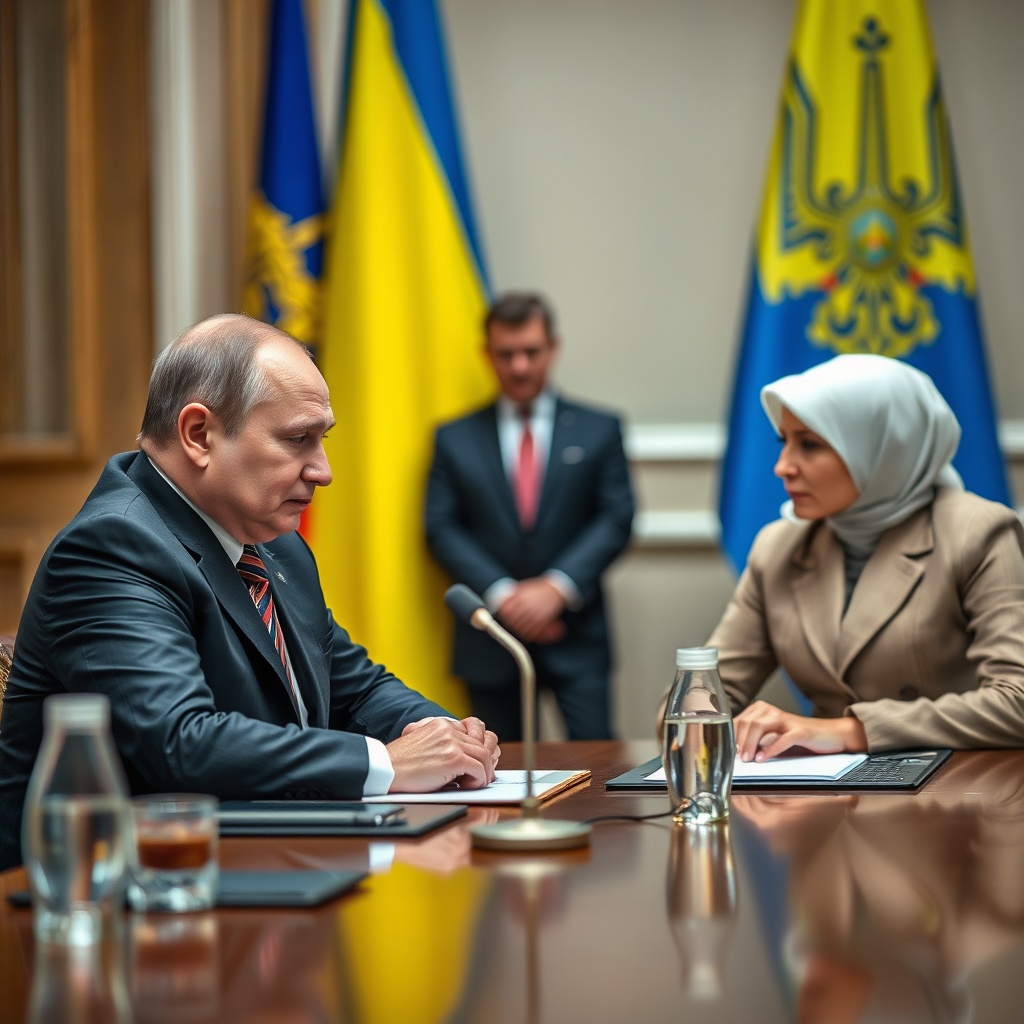
The ongoing conflict between Russia and Ukraine has been a major point of concern for the international community, with the two nations engaging in a protracted and bloody dispute over territorial claims. The issue has been a thorny one, with both sides dug in and refusing to budge. However, in a recent development, Ukrainian and Russian negotiators met in Abu Dhabi on January 23, 2026, to discuss the vital issue of territory. This meeting marks a significant step towards resolving the conflict, and it is essential to examine the background, context, and implications of these talks.
Historical Context of the Conflict
The conflict between Russia and Ukraine has its roots in the early 20th century, when Ukraine was part of the Soviet Union. Following the collapse of the Soviet Union in 1991, Ukraine declared its independence, and Russia has since been attempting to exert its influence over the region. The situation escalated in 2014, when Russia annexed the Crimean Peninsula, a move that was widely condemned by the international community. Since then, there have been ongoing clashes between Ukrainian government forces and Russian-backed separatists in the eastern regions of Donetsk and Luhansk.
The territorial issue is a complex and sensitive one, with both sides having competing claims. Ukraine insists that Crimea is an integral part of its territory, while Russia claims that the peninsula is rightfully theirs. The conflict has resulted in thousands of deaths, injuries, and displacements, with the international community calling for a peaceful resolution. The meeting in Abu Dhabi is a significant development, as it marks one of the few instances where both sides have agreed to sit down and discuss the issue.
The Role of International Mediation
The meeting in Abu Dhabi was facilitated by the United Arab Emirates (UAE), which has been actively engaged in mediating the conflict. The UAE has been working closely with both Ukraine and Russia to find a peaceful solution, and the meeting is a testament to their efforts. International mediation has played a crucial role in resolving conflicts, and the UAE's involvement in this case is no exception.
The UAE's neutral stance and good relations with both Ukraine and Russia make it an ideal mediator. The country has been working behind the scenes to bring both sides to the negotiating table, and the meeting in Abu Dhabi is a significant step forward. The UAE's involvement has also been welcomed by the international community, with many countries calling for a peaceful resolution to the conflict.
Implications of the Talks
The meeting in Abu Dhabi has significant implications for the conflict between Russia and Ukraine. The fact that both sides have agreed to sit down and discuss the territorial issue is a positive development, and it marks a willingness to engage in dialogue. However, the talks are unlikely to yield immediate results, as the issue is complex and deeply entrenched.
Despite the challenges, the meeting in Abu Dhabi is a crucial step towards resolving the conflict. The talks provide an opportunity for both sides to engage in constructive dialogue, and they may help to build trust and confidence. The international community is watching the developments closely, and a successful outcome could have significant implications for the region.
The talks may also have implications for the international community, particularly in terms of the role of mediation in conflict resolution. The UAE's involvement in the conflict highlights the importance of neutral third-party mediation in resolving complex disputes. The success of the talks could also provide a model for resolving other conflicts, where international mediation has been unsuccessful.
Challenges Ahead
Despite the positive developments, there are significant challenges ahead. The territorial issue is a deeply entrenched one, and both sides have competing claims. The conflict has resulted in a deep-seated mistrust between Ukraine and Russia, and it will take time and effort to build trust and confidence.
The talks in Abu Dhabi are just the beginning, and there is a long way to go before a resolution can be reached. The international community will need to continue to support the mediation efforts, and both sides will need to be willing to make concessions. The conflict has also had a significant humanitarian impact, with thousands of people displaced and injured. Any resolution will need to take into account the needs of these individuals and provide a framework for their return and rehabilitation.
Conclusion
The meeting between Ukrainian and Russian negotiators in Abu Dhabi is a significant development in the conflict between the two nations. The talks mark a willingness to engage in dialogue and a commitment to finding a peaceful resolution to the territorial issue. While there are significant challenges ahead, the meeting provides a glimmer of hope for a resolution to the conflict.
The international community will be watching the developments closely, and a successful outcome could have significant implications for the region. The UAE's involvement in the conflict highlights the importance of neutral third-party mediation in resolving complex disputes. As the talks continue, it is essential to remember the human cost of the conflict and the need for a resolution that takes into account the needs of all parties involved.
The road ahead will be long and challenging, but the meeting in Abu Dhabi marks a significant step towards resolving the conflict. With continued international support and a commitment to dialogue, it may be possible to find a peaceful resolution to the territorial issue and bring an end to the suffering of the Ukrainian and Russian people. As the world watches the developments unfold, one thing is clear: the meeting in Abu Dhabi is a crucial step towards a more peaceful and stable future for the region.
In the coming months and years, it will be essential to continue to monitor the situation and provide support to the mediation efforts. The international community must also be prepared to provide humanitarian assistance to those affected by the conflict and to support the reconstruction efforts once a resolution is reached.
Ultimately, the resolution of the conflict between Russia and Ukraine will require a commitment to dialogue, a willingness to compromise, and a dedication to finding a peaceful solution. The meeting in Abu Dhabi is a significant step towards this goal, and it provides a glimmer of hope for a more peaceful and stable future for the region. As the world looks to the future, it is clear that the resolution of this conflict will have significant implications for the international community, and it is essential that we continue to support the mediation efforts and work towards a peaceful resolution.

Leave a comment