
Introduction
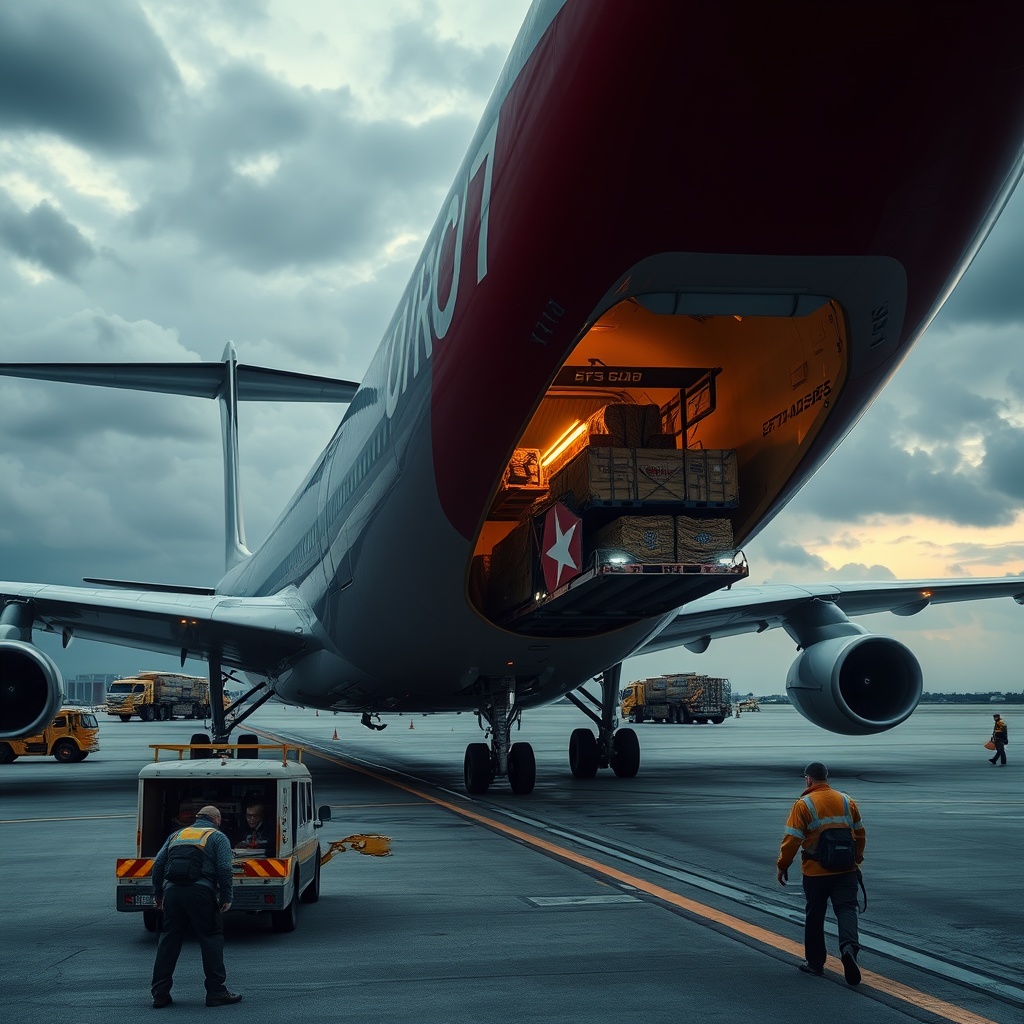
The recent arrival of a Russian cargo plane in Cuba has sparked significant interest and concern among global observers. The plane, which previously delivered air defense systems to Venezuela, landed at a military airfield near Havana, echoing the frantic buildup of military equipment in Caracas. This development raises important questions about the nature of Russia's involvement in the region, its relationship with Cuba and Venezuela, and the potential implications for regional and global security. In this article, we will delve into the details of this development, explore the historical context of Russia's involvement in the region, and examine the potential consequences of this buildup.
Historical Context: Russia's Involvement in the Region
Russia has a long history of involvement in the Americas, dating back to the Soviet era. During the Cold War, the Soviet Union maintained close relationships with leftist governments in the region, including Cuba and Nicaragua. The Soviet Union provided significant economic and military aid to these countries, which helped to cement their positions as key allies in the region. After the collapse of the Soviet Union, Russia's influence in the region declined, but in recent years, Moscow has sought to reassert its presence.
One of the key drivers of Russia's renewed interest in the region is its desire to counterbalance the influence of the United States. Russia has long been wary of US dominance in the Americas, and it sees its relationships with countries like Cuba and Venezuela as a way to challenge US hegemony. Additionally, Russia is interested in accessing the region's natural resources, including oil, gas, and minerals. Venezuela, in particular, has significant oil reserves, which makes it an attractive partner for Russia's energy companies.
Recent Developments: The Caracas Buildup
In recent years, Venezuela has been the focus of significant attention and concern due to its rapidly deteriorating economic and humanitarian situation. The country has been plagued by hyperinflation, food and medicine shortages, and a massive refugee crisis. Despite these challenges, the Venezuelan government, led by President Nicolas Maduro, has continued to prioritize its military relationships with countries like Russia and China.
The arrival of Russian military equipment in Venezuela has been a major point of contention between Caracas and Washington. The US has accused Russia of attempting to prop up the Maduro regime, which it sees as illegitimate. Russia, on the other hand, argues that its military cooperation with Venezuela is aimed at helping the country to defend itself against external threats.
The recent buildup of Russian military equipment in Caracas has been characterized as "frantic" by some observers, with multiple shipments of air defense systems, tanks, and other equipment arriving in the country over the past year. This buildup has raised concerns about the potential for an escalation of the conflict in Venezuela, which could have significant regional and global implications.
The Cuban Connection
The arrival of the Russian cargo plane in Cuba adds a new layer of complexity to the situation. Cuba has long been a key ally of Venezuela, and the two countries have maintained close relationships in areas like trade, energy, and security. The presence of Russian military equipment in Cuba could potentially allow Russia to project power into the region, challenging US dominance and potentially destabilizing the balance of power.
Cuba's relationship with Russia is also driven by a desire to counterbalance US influence in the region. Havana has long been wary of US attempts to isolate it, and it sees its relationship with Russia as a way to diversify its diplomatic and economic relationships. Additionally, Cuba is interested in accessing Russian military equipment and technology, which could help it to modernize its armed forces.
Implications and Consequences
The arrival of the Russian cargo plane in Cuba has significant implications for regional and global security. The potential for an escalation of the conflict in Venezuela is high, and the presence of Russian military equipment in the region could exacerbate the situation. The US has already imposed significant sanctions on Venezuela, and it is likely to view the arrival of Russian military equipment in Cuba as a provocation.
The buildup of Russian military equipment in the region also has implications for the global balance of power. Russia's efforts to challenge US dominance in the Americas are part of a broader strategy to reassert its influence on the global stage. The US, on the other hand, is likely to view Russia's actions as a threat to its national security interests, and it may respond with increased military deployments or other forms of pressure.
In conclusion, the arrival of the Russian cargo plane in Cuba is a significant development that reflects the complex and multifaceted nature of Russia's involvement in the region. The historical context of Russia's relationships with Cuba and Venezuela, the recent buildup of military equipment in Caracas, and the potential implications for regional and global security all point to a highly volatile and dynamic situation. As the situation continues to unfold, it is likely that we will see increased tensions between the US and Russia, as well as between the US and countries like Cuba and Venezuela.
Conclusion
In summary, the arrival of the Russian cargo plane in Cuba is a significant development that highlights the complex and multifaceted nature of Russia's involvement in the region. The historical context of Russia's relationships with Cuba and Venezuela, the recent buildup of military equipment in Caracas, and the potential implications for regional and global security all point to a highly volatile and dynamic situation. As the situation continues to unfold, it is likely that we will see increased tensions between the US and Russia, as well as between the US and countries like Cuba and Venezuela.
The future of the region is uncertain, but one thing is clear: the arrival of the Russian cargo plane in Cuba marks a significant escalation of the conflict in Venezuela and a new phase in the competition for influence in the Americas. The US, Russia, and other regional actors will need to navigate this complex and rapidly evolving situation with care, as the potential consequences of miscalculation or miscommunication could be severe.
Ultimately, the situation in the Americas is a reminder of the enduring importance of diplomacy and dialogue in preventing conflict and promoting regional stability. As the US and Russia continue to compete for influence in the region, it is essential that they prioritize communication and cooperation, even in the face of significant differences and challenges. By working together, the US and Russia can help to reduce tensions and promote a more stable and secure environment in the Americas, which is in the interests of all parties involved.

Leave a comment