
Introduction
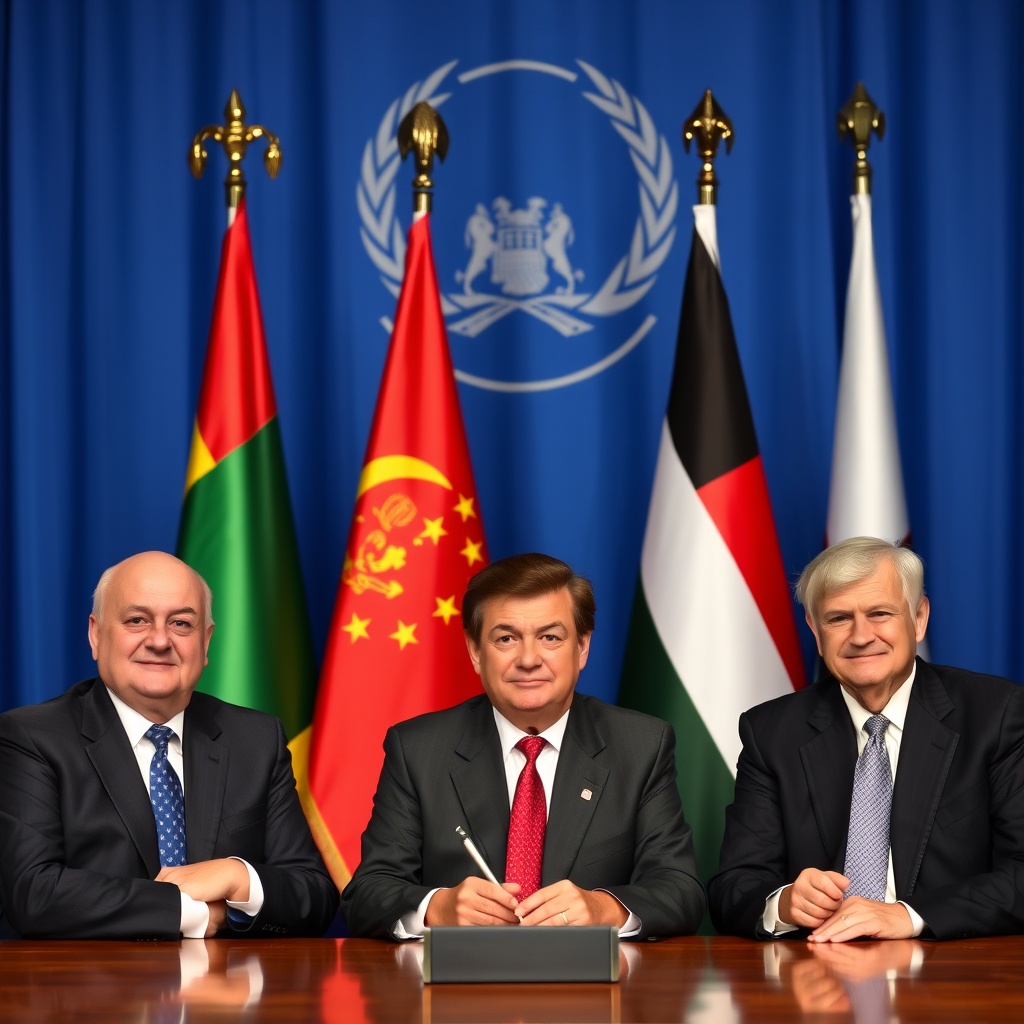
In a significant development, seven countries have agreed to join the US President Donald Trump's Board of Peace, a move that is expected to have far-reaching implications for global diplomacy and conflict resolution. The announcement was made through a joint statement, with Saudi Arabia, Turkey, and Egypt being among the countries that have pledged their support to the initiative. This article will delve into the details of the Board of Peace, its objectives, and the potential impact of the seven countries joining the initiative.
Background and Objectives of the Board of Peace
The Board of Peace is an initiative launched by US President Donald Trump, with the aim of promoting peace and stability in regions affected by conflict. The board is expected to bring together countries from around the world to share their experiences, expertise, and resources in order to find solutions to some of the world's most pressing conflicts. The objectives of the Board of Peace include promoting dialogue, fostering cooperation, and providing support to countries affected by conflict.
The Board of Peace is seen as a significant departure from traditional approaches to conflict resolution, which often rely on military intervention or economic sanctions. Instead, the board focuses on building bridges between countries and promoting people-to-people diplomacy. By bringing together countries with different backgrounds and experiences, the Board of Peace aims to create a platform for constructive dialogue and cooperation.
Countries Joining the Board of Peace
The seven countries that have agreed to join the Board of Peace are Saudi Arabia, Turkey, Egypt, Bahrain, United Arab Emirates, Oman, and Qatar. These countries are significant players in the Middle East and North Africa regions, and their participation in the Board of Peace is expected to have a major impact on the initiative's success.
Saudi Arabia, for example, is a key player in the Middle East and has been involved in several regional conflicts, including the war in Yemen. The country's participation in the Board of Peace is seen as a significant step towards promoting peace and stability in the region. Turkey, on the other hand, has been involved in several international conflicts, including the war in Syria, and its participation in the Board of Peace is expected to bring a unique perspective to the initiative.
Egypt, which has been a key player in regional diplomacy, is also expected to play a significant role in the Board of Peace. The country has been involved in several international initiatives, including the Arab League, and its participation in the Board of Peace is seen as a natural extension of its diplomatic efforts.
Potential Impact of the Board of Peace
The Board of Peace has the potential to have a significant impact on global diplomacy and conflict resolution. By bringing together countries from around the world, the board can facilitate dialogue, foster cooperation, and provide support to countries affected by conflict. The initiative can also help to promote people-to-people diplomacy, which is often seen as a key factor in building bridges between countries.
One of the potential benefits of the Board of Peace is its ability to provide a platform for constructive dialogue and cooperation. By bringing together countries with different backgrounds and experiences, the board can facilitate the sharing of knowledge, expertise, and resources. This can help to identify solutions to some of the world's most pressing conflicts and promote peace and stability in regions affected by conflict.
Another potential benefit of the Board of Peace is its ability to promote people-to-people diplomacy. By fostering cooperation and dialogue between countries, the board can help to build bridges between different communities and promote mutual understanding. This can help to reduce tensions and promote peace and stability in regions affected by conflict.
Challenges and Criticisms
Despite the potential benefits of the Board of Peace, the initiative has faced several challenges and criticisms. One of the main challenges is the lack of clear objectives and goals. The board's objectives and goals are not clearly defined, which can make it difficult to measure its success.
Another challenge is the lack of representation from certain regions. The board is dominated by countries from the Middle East and North Africa regions, which can limit its ability to address conflicts in other parts of the world. The board needs to be more representative of the global community in order to be effective.
The Board of Peace has also faced criticism for its lack of transparency and accountability. The board's decision-making processes are not transparent, and its activities are not subject to external scrutiny. This can make it difficult to hold the board accountable for its actions and ensure that it is working in the best interests of the global community.
Case Studies and Examples
There are several case studies and examples that demonstrate the potential benefits of the Board of Peace. One example is the Oslo Accords, which were signed in 1993 between Israel and the Palestine Liberation Organization. The accords were the result of a long process of dialogue and negotiation, facilitated by the Norwegian government.
Another example is the Good Friday Agreement, which was signed in 1998 between the British and Irish governments. The agreement was the result of a long process of dialogue and negotiation, facilitated by the US government.
These examples demonstrate the potential benefits of dialogue and cooperation in promoting peace and stability. They also highlight the importance of having a platform for constructive dialogue and cooperation, such as the Board of Peace.
Statistics and Data
There are several statistics and data that demonstrate the potential benefits of the Board of Peace. According to a study by the World Bank, the cost of conflict can be significant, with the average cost of a civil war being around $50 billion per year. The study also found that the cost of conflict can be reduced by up to 50% through dialogue and cooperation.
Another study by the United Nations found that the number of conflicts around the world has increased significantly over the past few decades. The study found that the number of conflicts increased from 30 in 1990 to over 50 in 2020. The study also found that the number of deaths due to conflict increased from 100,000 in 1990 to over 500,000 in 2020.
These statistics and data demonstrate the need for initiatives like the Board of Peace, which can help to promote dialogue and cooperation and reduce the cost of conflict.
Conclusion
In conclusion, the Board of Peace is an initiative that has the potential to promote peace and stability in regions affected by conflict. The participation of seven countries, including Saudi Arabia, Turkey, and Egypt, is a significant step towards achieving this goal. While the initiative faces several challenges and criticisms, it has the potential to provide a platform for constructive dialogue and cooperation, and to promote people-to-people diplomacy.
As the Board of Peace moves forward, it will be important to address the challenges and criticisms that it faces. This will require a clear definition of the board's objectives and goals, as well as greater transparency and accountability. It will also require a more representative membership, with countries from all regions of the world.
Ultimately, the success of the Board of Peace will depend on its ability to promote dialogue and cooperation, and to provide support to countries affected by conflict. With the participation of seven countries, the board has taken a significant step towards achieving this goal. As the initiative moves forward, it will be important to continue to monitor its progress and to provide support where needed.

Leave a comment