
Introduction
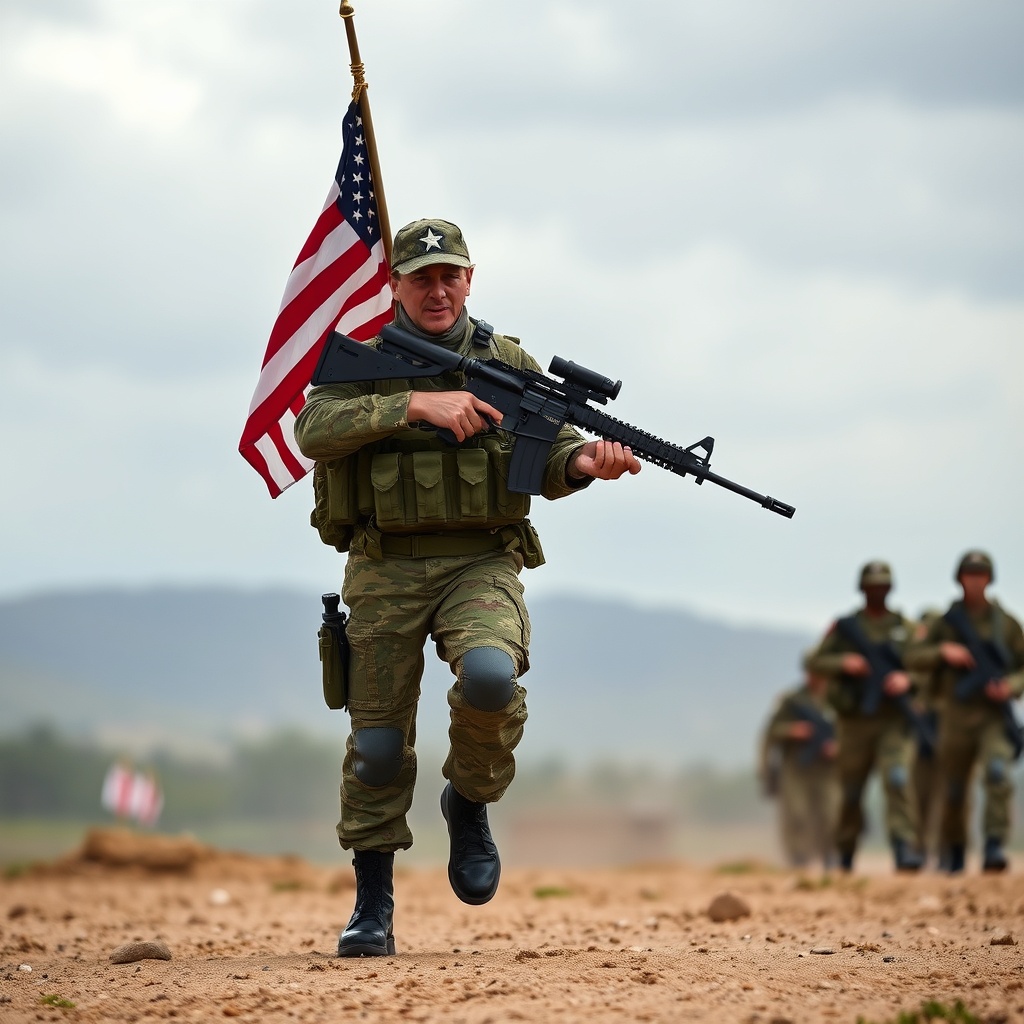
The United States has been increasingly vocal about its concerns regarding Venezuela, with a U.S. official recently stating that the "table is being set" for potential military action against the country. This statement comes as the U.S. is deploying its largest aircraft carrier to the northern Caribbean, where thousands of service members are already stationed. The situation is complex, with multiple factors at play, including political tensions, economic instability, and humanitarian concerns. In this article, we will explore the background of the situation, the potential implications of military action, and the role of the international community in addressing the crisis.
Background: Venezuela's Crisis
Venezuela has been embroiled in a deepening crisis for several years, with the country facing severe economic hardship, political instability, and a humanitarian emergency. The crisis began in 2013, when the price of oil, Venezuela's main export, plummeted, leading to a sharp decline in the country's economy. The government, led by President Nicolás Maduro, has been accused of mismanaging the economy and suppressing opposition, leading to widespread protests and violence. The situation has been further complicated by the presence of foreign actors, including the United States, which has imposed sanctions on the country and has been vocal in its opposition to the Maduro government.
The humanitarian situation in Venezuela is dire, with millions of people facing food and medicine shortages, and over 4 million Venezuelans having fled the country in recent years. The United Nations has estimated that over 90% of the population lives in poverty, with many people struggling to access basic necessities like food, water, and healthcare. The crisis has also had a significant impact on the region, with neighboring countries struggling to cope with the influx of refugees and migrants.
Potential Implications of Military Action
The potential implications of military action against Venezuela are far-reaching and complex. Military intervention could lead to a significant escalation of the conflict, with the potential for widespread violence and humanitarian suffering. The use of military force could also lead to a breakdown in regional stability, with the potential for other countries to become involved in the conflict.
There are also significant concerns about the potential for civilian casualties and the impact on the country's already fragile infrastructure. Venezuela's military is well-equipped and well-trained, and any military intervention would likely be met with resistance. The use of military force could also lead to a prolonged and bloody conflict, with the potential for significant long-term consequences for the region.
The international community has been vocal in its opposition to military action, with many countries calling for a peaceful resolution to the crisis. The United Nations has urged all parties to engage in dialogue and to work towards a peaceful solution, and has offered to provide support and assistance to help resolve the crisis.
Role of the International Community
The international community has a critical role to play in addressing the crisis in Venezuela. The United Nations has been working to provide humanitarian assistance to those affected by the crisis, and has called for all parties to engage in dialogue and to work towards a peaceful solution. The European Union and other regional organizations have also been working to provide support and assistance to the region, and have called for a peaceful resolution to the crisis.
The United States has been a key player in the crisis, with the Trump administration imposing sanctions on the country and providing support to the opposition. However, the use of military force is a highly controversial issue, and many countries have expressed concerns about the potential implications of such action.
In recent years, there have been several attempts at dialogue and negotiation, including a series of talks between the government and opposition in 2019. However, these talks ultimately broke down, and the situation remains unresolved. The international community continues to call for a peaceful resolution to the crisis, and has urged all parties to engage in dialogue and to work towards a solution.
Conclusion
The situation in Venezuela is complex and multifaceted, with multiple factors at play. The potential implications of military action are far-reaching and complex, and the international community has a critical role to play in addressing the crisis. While the use of military force is a highly controversial issue, it is clear that a peaceful resolution to the crisis is the only way to ensure a stable and prosperous future for the people of Venezuela.
As the situation continues to unfold, it is essential that all parties engage in dialogue and work towards a peaceful solution. The international community must continue to provide support and assistance to the region, and must work to promote a peaceful resolution to the crisis. The people of Venezuela deserve a stable and prosperous future, and it is up to the international community to help make that a reality.
In the coming months and years, it will be essential to monitor the situation in Venezuela closely, and to work towards a peaceful resolution to the crisis. The use of military force is not a solution, and it is up to the international community to promote a peaceful and diplomatic solution to the crisis. With the right support and assistance, it is possible to build a stable and prosperous future for the people of Venezuela, and to ensure that the country can overcome the challenges it faces and emerge stronger and more resilient than ever before.
The deployment of the U.S. aircraft carrier to the northern Caribbean is a significant development, and it remains to be seen how the situation will unfold in the coming weeks and months. However, one thing is clear: the international community must continue to work towards a peaceful resolution to the crisis, and must do everything in its power to promote stability and prosperity in the region.
As the world watches the situation in Venezuela with bated breath, it is essential that we remember the human cost of the crisis. The people of Venezuela are suffering, and it is up to us to help them. We must work towards a peaceful resolution to the crisis, and must do everything in our power to promote stability and prosperity in the region. The future of Venezuela hangs in the balance, and it is up to us to ensure that the country emerges from this crisis stronger and more resilient than ever before.
The statistics are stark: over 4 million Venezuelans have fled the country in recent years, and millions more are struggling to access basic necessities like food, water, and healthcare. The humanitarian situation is dire, and it is up to the international community to provide support and assistance to those in need.
In conclusion, the situation in Venezuela is complex and multifaceted, and the potential implications of military action are far-reaching and complex. The international community has a critical role to play in addressing the crisis, and must work towards a peaceful resolution to the crisis. The people of Venezuela deserve a stable and prosperous future, and it is up to us to help make that a reality. We must continue to monitor the situation closely, and must work towards a peaceful and diplomatic solution to the crisis. The future of Venezuela hangs in the balance, and it is up to us to ensure that the country emerges from this crisis stronger and more resilient than ever before.

Leave a comment