
Introduction
The electric vehicle (EV) market has experienced significant growth in recent years, with companies like Tesla and BYD leading the charge. However, a recent report has revealed that Tesla's car sales dropped 9% in 2025, with a notable decline of 16% in the last three months of the year. This slump has allowed China's BYD to surpass Tesla as the leading EV manufacturer. In this article, we will explore the reasons behind Tesla's decline, the rise of BYD, and the implications of this shift in the EV market.
The Decline of Tesla's Sales
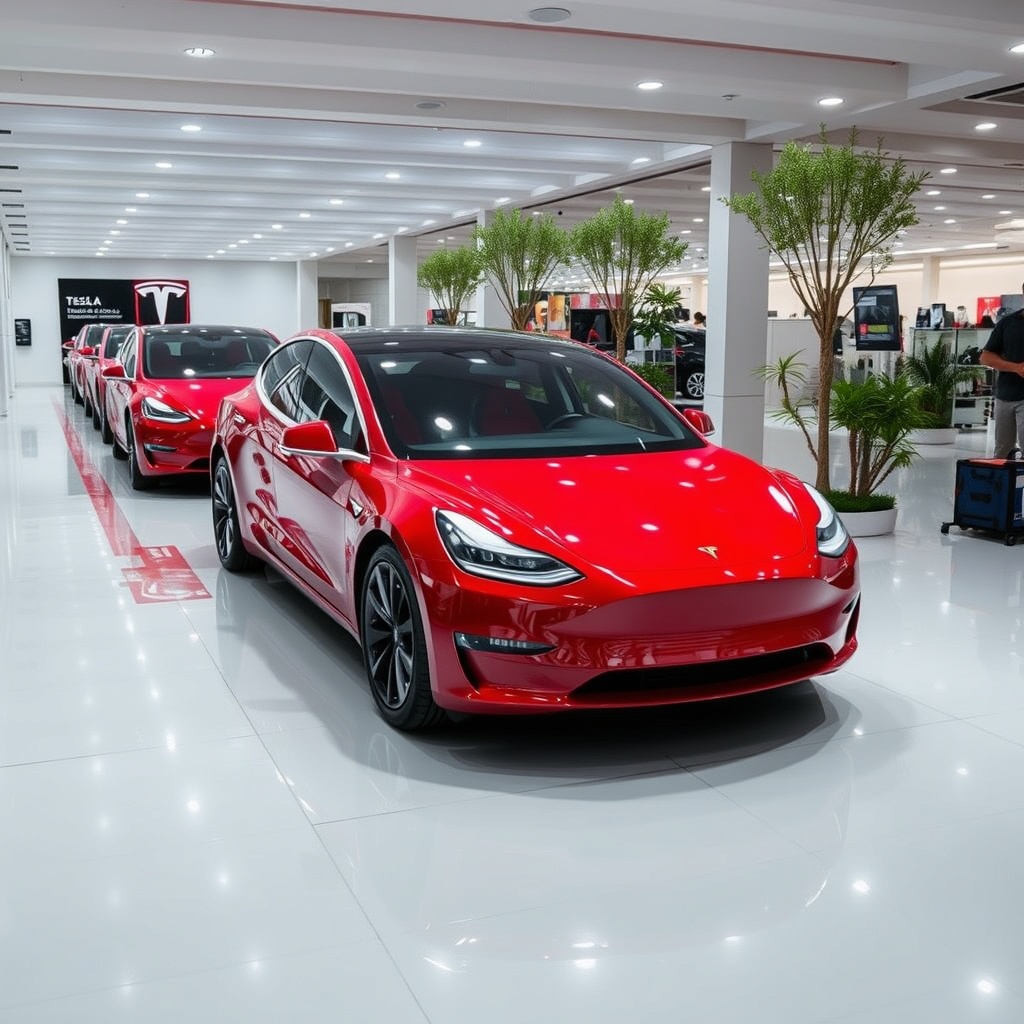
Tesla's car sales have been a major driver of the company's success, with the Model 3 and Model Y being the best-selling EVs in the world. However, the elimination of tax credits in the United States, which had previously incentivized buyers to purchase EVs, has had a significant impact on Tesla's sales. According to the company's latest report, sales declined 16% in the last three months of 2025, resulting in a 9% drop for the entire year.
This decline can be attributed to several factors, including increased competition from other EV manufacturers, higher production costs, and the loss of tax credits. Additionally, Tesla's pricing strategy, which has seen significant price increases in recent years, may have also contributed to the decline in sales. As the EV market becomes increasingly saturated, Tesla must adapt its pricing and marketing strategies to remain competitive.
For example, in the United States, the federal tax credit for EVs was reduced from $7,500 to $3,750 in 2025, making Tesla's vehicles less attractive to price-sensitive buyers. Furthermore, the company's decision to raise prices in response to increased production costs may have also deterred some potential buyers. As a result, Tesla's sales have suffered, allowing BYD to capitalize on the opportunity and gain ground in the EV market.
The Rise of BYD
BYD, a Chinese EV manufacturer, has been gaining momentum in recent years, with sales increasing by over 50% in 2025. The company's success can be attributed to its aggressive pricing strategy, which has allowed it to undercut Tesla and other competitors. Additionally, BYD has invested heavily in research and development, resulting in a range of competitive EV models that have resonated with buyers.
BYD's success is not limited to China; the company has also made significant inroads in international markets, including Europe and Asia. For instance, in 2025, BYD launched its Tang EV model in Norway, which became the best-selling EV in the country. This success can be attributed to BYD's ability to offer high-quality EVs at competitive prices, making it an attractive option for buyers looking for affordable and reliable electric vehicles.
Moreover, BYD has also benefited from the Chinese government's support for the EV industry, which has included subsidies and investment in EV infrastructure. This support has enabled BYD to expand its production capacity and develop new technologies, further solidifying its position in the EV market. As the EV market continues to grow, BYD is well-positioned to capitalize on the trend and challenge Tesla's dominance.
Implications and Future Outlook
The decline of Tesla's sales and the rise of BYD have significant implications for the EV market. As the market becomes increasingly competitive, companies must adapt their strategies to remain competitive. Tesla, in particular, must reassess its pricing and marketing strategies to appeal to a wider range of buyers.
Furthermore, the shift in the EV market also highlights the importance of government support and investment in EV infrastructure. The Chinese government's support for the EV industry has enabled BYD to thrive, and other governments should take note of the benefits of investing in EV technology.
In conclusion, the decline of Tesla's sales and the rise of BYD mark a significant shift in the EV market. As the market continues to evolve, companies must be prepared to adapt and innovate to remain competitive. With the right strategies and support, the EV market is poised for continued growth, and companies like BYD are well-positioned to capitalize on the trend.
Conclusion
In conclusion, the decline of Tesla's sales and the rise of BYD are significant developments in the EV market. As the market becomes increasingly competitive, companies must adapt their strategies to remain competitive. The implications of this shift are far-reaching, and governments, companies, and buyers must be prepared to navigate the changing landscape.
As we look to the future, it is clear that the EV market will continue to grow, driven by government support, technological advancements, and increasing demand for sustainable transportation. Companies like BYD, which have invested heavily in EV technology and infrastructure, are well-positioned to capitalize on this trend. Meanwhile, Tesla must reassess its strategies to remain competitive and appeal to a wider range of buyers.
Ultimately, the future of the EV market is uncertain, but one thing is clear: the shift towards sustainable transportation is irreversible. As companies like BYD and Tesla continue to innovate and adapt, the EV market will become increasingly competitive, driving down prices and increasing accessibility for buyers. As we move forward, it will be exciting to see how the EV market evolves and which companies will emerge as leaders in the industry.

Leave a comment