
Introduction
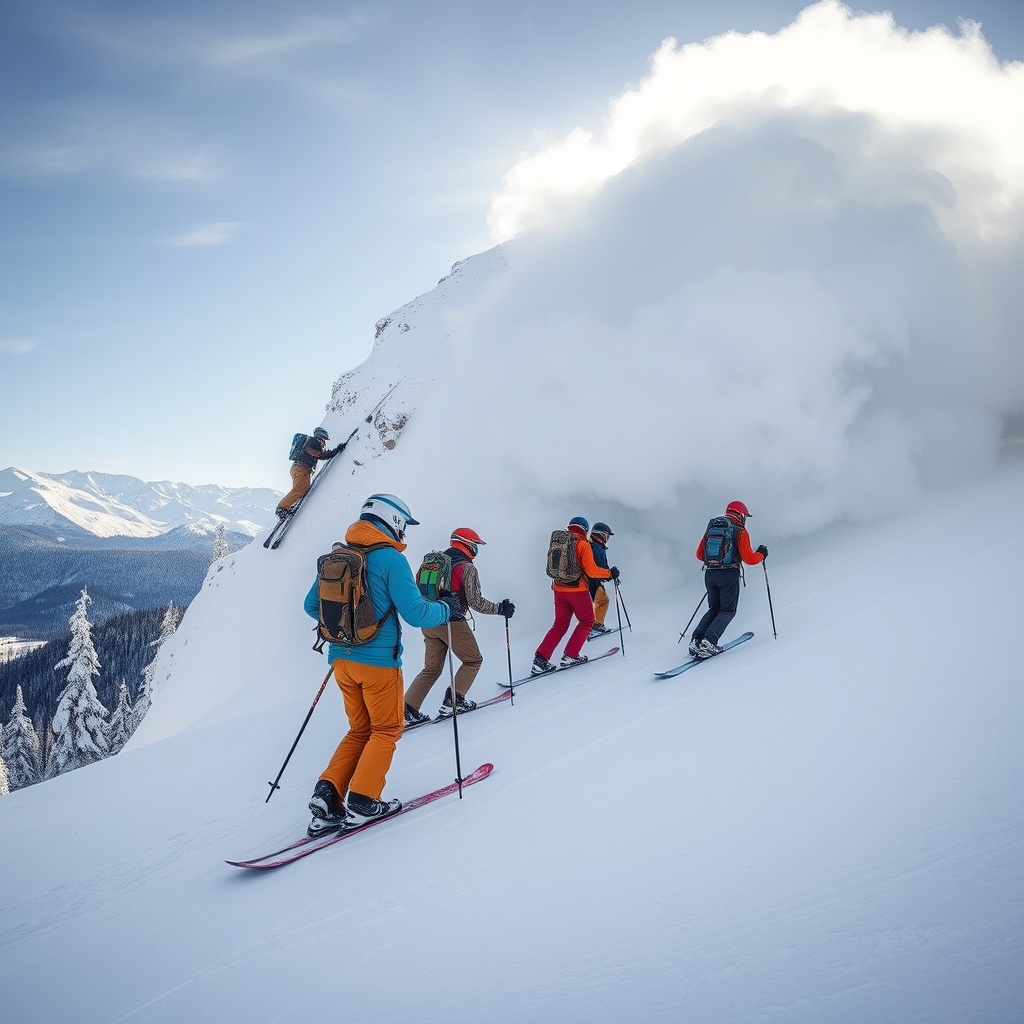
The Sierra Nevada mountains, particularly the area around Donner Summit in California, are renowned for their breathtaking landscapes and exhilarating backcountry skiing opportunities. However, this same terrain can quickly turn deadly with the onset of an avalanche. A recent incident highlights the precarious balance between adventure and danger in these mountains. On a Sunday morning, two groups of skiers found themselves on a collision course, literally and metaphorically, as one group was heading out from a cluster of backcountry cabins while another was approaching, unaware of the impending avalanche that would put their lives at risk. This article delves into the details of this harrowing event, the factors that contribute to avalanches in the Sierra Nevada, and the importance of avalanche safety and awareness.
Understanding Avalanches and the Sierra Nevada Terrain
Avalanches are natural disasters that occur when a layer of snow collapses, often triggered by new snowfall, wind, or human activity. The Sierra Nevada range, with its steep slopes and abundant snowfall, is particularly prone to avalanches. The terrain around Donner Summit, where this incident occurred, is characterized by steep slopes, complex geological formations, and a climate that can rapidly change, all of which contribute to the potential for avalanches.
The Sierra Nevada mountains receive significant snowfall each year, with some areas accumulating over 600 inches of snow. This heavy snowfall, combined with the region's unique geography, creates an environment where avalanches can occur frequently. Understanding the factors that contribute to avalanche risk is crucial for backcountry skiers, snowboarders, and anyone venturing into these areas.
The Role of Avalanche Safety and Awareness
Avalanche safety and awareness are paramount for individuals who venture into the backcountry. This includes understanding how to read terrain, recognizing signs of instability in the snowpack, and knowing how to use safety equipment such as transceivers, probes, and shovels. Furthermore, backcountry travelers should always check the avalanche forecast before heading out and be prepared to change their plans if the risk is too high.
In the case of the two groups mentioned, the skiers who were heading out from the backcountry cabins were fortunate to have cleared out before the group that would be hit by the avalanche arrived. This timely departure underscores the importance of situational awareness and the ability to make informed decisions based on current conditions and forecasts.
The incident also highlights the value of communication and information sharing among backcountry users. If the incoming group had been aware of the outgoing group's observations regarding the snow conditions, they might have altered their route or turned back, potentially avoiding the avalanche altogether.
Technology and Avalanche Prevention
Advancements in technology have significantly improved avalanche forecasting and safety. Tools such as avalanche transceivers, which help locate buried individuals, and online platforms that provide detailed snowpack data and avalanche forecasts, have become indispensable for backcountry travelers. Additionally, apps and websites dedicated to avalanche safety offer real-time information, enabling users to make more informed decisions about their routes and timing.
However, despite these technological advancements, human judgment and experience remain critical components of avalanche safety. Understanding how to interpret forecasts, recognizing the limitations of technology, and maintaining a healthy respect for the power of nature are essential for minimizing risk in the backcountry.
Case Studies and Lessons Learned
The Sierra Nevada has been the site of numerous avalanche incidents over the years, each offering valuable lessons for backcountry enthusiasts. One notable example is the 1985 Alpine Meadows avalanche, which resulted in the deaths of three skiers. This incident led to significant improvements in avalanche forecasting and safety protocols at ski resorts and in the backcountry.
More recent incidents, including the one involving the two groups of skiers near Donner Summit, serve as reminders of the ongoing need for vigilance and education. These events underscore the importance of community engagement, where experienced backcountry travelers share their knowledge and insights with less experienced individuals, promoting a culture of safety and awareness.
Conclusion
The story of the two groups of skiers who narrowly avoided a potentially disastrous encounter with an avalanche serves as a stark reminder of the risks and rewards associated with backcountry skiing in the Sierra Nevada. While the allure of untouched powder and breathtaking vistas is undeniable, it is crucial that enthusiasts approach these adventures with a deep respect for the natural environment and a commitment to safety.
As the backcountry skiing community continues to grow, so too does the importance of avalanche safety and awareness. Through a combination of technological innovation, community engagement, and individual responsibility, it is possible to minimize the risks associated with avalanches and ensure that the beauty and thrill of the Sierra Nevada backcountry can be enjoyed for generations to come.
In looking to the future, it is essential that backcountry travelers remain vigilant, stay informed, and support efforts to improve avalanche forecasting and safety measures. By doing so, we can work towards creating a safer, more aware community of outdoor enthusiasts who can appreciate the majesty of the Sierra Nevada while respecting its power. The mountains will always hold a degree of unpredictability, but with knowledge, experience, and a proactive approach to safety, we can mitigate the risks and embrace the adventure that these incredible landscapes have to offer.

Leave a comment