
Introduction
The world is at a critical juncture in its fight against climate change, and the recent COP30 summit has brought this issue to the forefront. As thousands of climate protesters marched outside the summit, their message was clear: urgent action is needed to mitigate the devastating effects of climate change. The protesters, armed with pounding sound systems and a determination to be heard, brought their demands to the gates of the COP30 climate talks. This article will delve into the details of the protests, the key issues at the COP30 summit, and the implications of the climate crisis on a global scale.
The Protests: A Call to Action
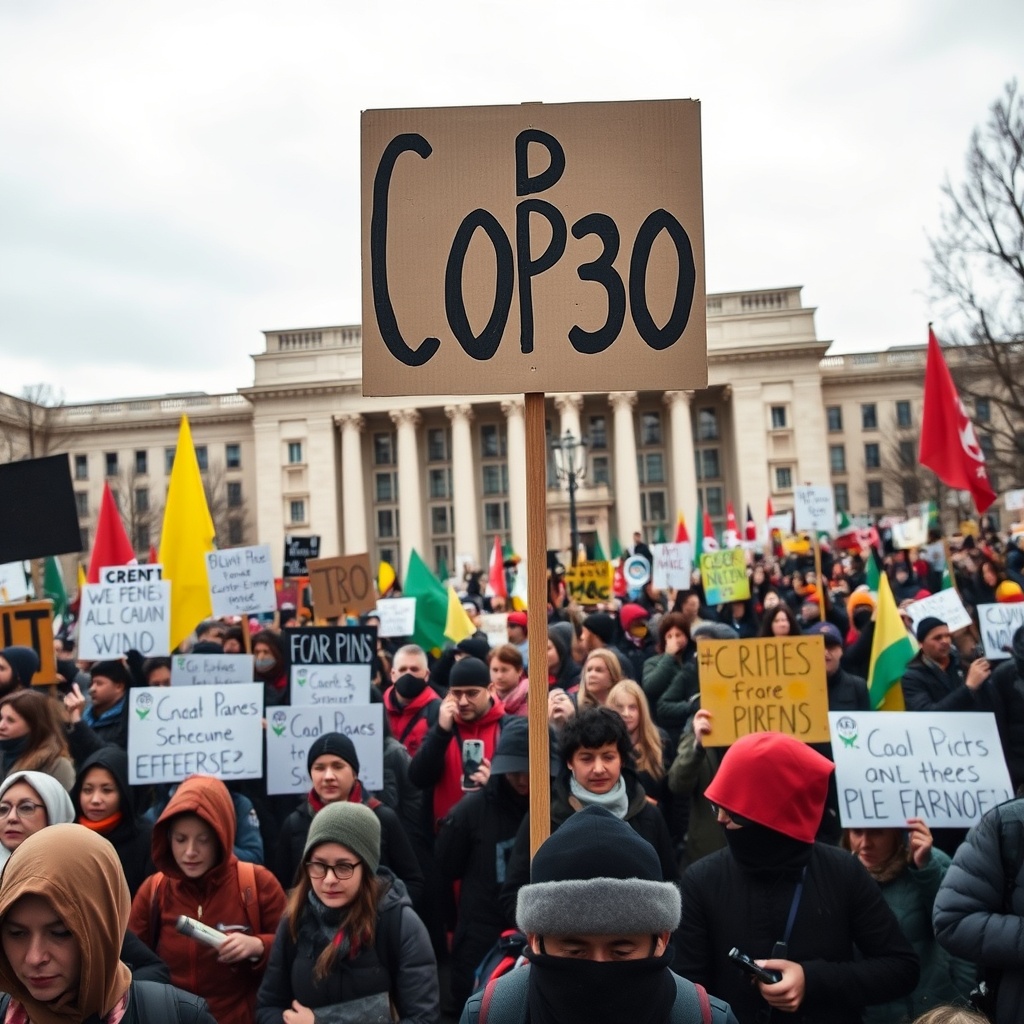
The protests outside the COP30 summit were a testament to the growing frustration and anxiety among citizens about the lack of progress in addressing climate change. The thousands of marchers, representing a diverse range of ages, backgrounds, and nationalities, were united in their demand for immediate and drastic action to reduce greenhouse gas emissions and transition to renewable energy sources. The protests were peaceful, yet powerful, with demonstrators carrying signs, banners, and chanting slogans that highlighted the urgency of the climate crisis.
According to reports, the protests were organized by a coalition of environmental groups, who had been planning the event for months. The organizers had set out to create a spectacle that would grab the attention of world leaders and the media, and by all accounts, they succeeded. The protests were covered extensively by major news outlets, and the images of the marchers and their messages were shared widely on social media.
The protests were not limited to the COP30 summit; similar demonstrations took place in cities around the world, from New York to London, and from Sydney to Tokyo. The global nature of the protests underscored the fact that climate change is a universal issue, affecting every country and every community on the planet.
The COP30 Summit: A Platform for Change
The COP30 summit, officially known as the 30th Conference of the Parties to the United Nations Framework Convention on Climate Change, was a critical opportunity for world leaders to come together and discuss the climate crisis. The summit was attended by representatives from nearly 200 countries, as well as thousands of observers, including business leaders, activists, and journalists.
The summit was marked by a sense of urgency and frustration, as many delegates expressed disappointment with the slow pace of progress in addressing climate change. The summit's agenda was packed with topics, including the implementation of the Paris Agreement, the development of new climate finance mechanisms, and the promotion of sustainable land use practices.
One of the key issues on the agenda was the need to increase ambition and action to reduce greenhouse gas emissions. The current pace of emissions reductions is not sufficient to meet the goals of the Paris Agreement, which aims to limit global warming to well below 2 degrees Celsius above pre-industrial levels. Many delegates called for more drastic measures, including a rapid transition to renewable energy sources, increased energy efficiency, and the protection of natural carbon sinks like forests and wetlands.
The Climate Crisis: A Global Emergency
The climate crisis is a global emergency that requires immediate attention and action. The science is clear: human activities, particularly the burning of fossil fuels and deforestation, are releasing massive amounts of greenhouse gases into the atmosphere, leading to rising temperatures, more extreme weather events, and devastating impacts on ecosystems and human societies.
The consequences of inaction are dire. Rising sea levels are threatening coastal cities and low-lying areas, while more frequent and intense heatwaves, droughts, and storms are affecting communities around the world. The climate crisis is also having a disproportionate impact on vulnerable populations, including the poor, the elderly, and indigenous communities.
The economic costs of the climate crisis are also significant. According to a report by the International Monetary Fund, the economic losses from climate-related disasters could reach $54 trillion by 2100 if global warming is not limited to 1.5 degrees Celsius above pre-industrial levels.
Despite the challenges, there are many reasons to be hopeful. Renewable energy sources, such as solar and wind power, are becoming increasingly cost-competitive with fossil fuels, and many countries are making significant progress in reducing their greenhouse gas emissions. Electric vehicles are becoming more popular, and sustainable land use practices, such as reforestation and agroforestry, are being adopted by farmers and landowners around the world.
Conclusion
The thousands of climate protesters who marched outside the COP30 summit sent a clear message to world leaders: urgent action is needed to address the climate crisis. The protests were a testament to the growing frustration and anxiety among citizens about the lack of progress in reducing greenhouse gas emissions and transitioning to renewable energy sources.
The COP30 summit was a critical opportunity for world leaders to come together and discuss the climate crisis, and while there were some positive developments, much more needs to be done to address the scale and urgency of the problem. The climate crisis is a global emergency that requires immediate attention and action, and it is up to all of us – governments, businesses, civil society, and individuals – to work together to reduce greenhouse gas emissions, protect natural carbon sinks, and promote sustainable development.
As the world looks to the future, it is clear that the fight against climate change will be a long and difficult one. However, with determination, cooperation, and a commitment to science-based decision-making, we can create a more sustainable, equitable, and prosperous world for all. The time for action is now, and we must work together to ensure that the COP30 summit is not just a talking shop, but a catalyst for real change.

Leave a comment