
Introduction
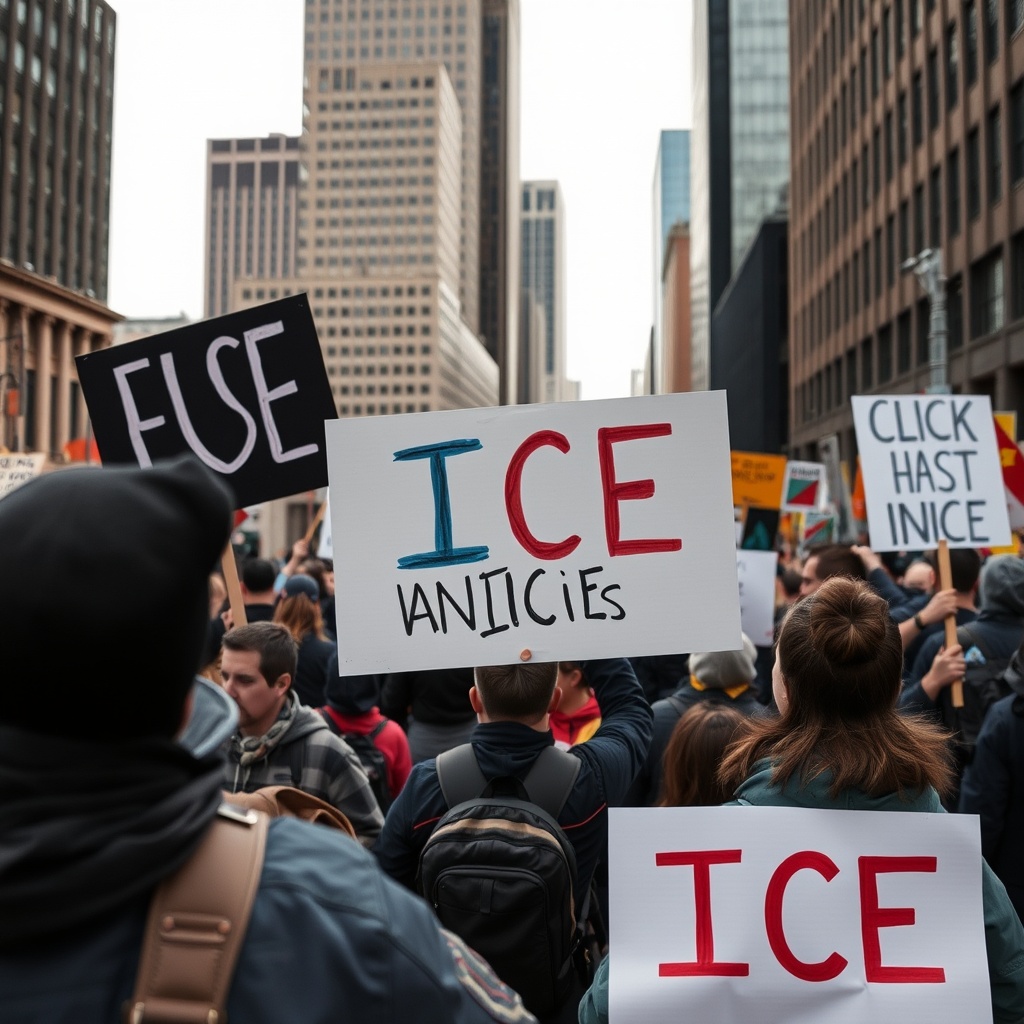
On a bitterly cold day in Minneapolis, thousands of people gathered to protest against the recent surge in federal enforcement by Immigration and Customs Enforcement (ICE) in the Twin Cities. The protest, which took place in downtown Minneapolis, was a powerful display of community solidarity and a clear message to the federal government that the people of Minnesota will not stand idly by while their neighbors and friends are targeted by ICE. In this article, we will delve into the details of the protest, the reasons behind it, and the broader context of ICE's activities in Minnesota.
Background on ICE and Immigration Enforcement
ICE is a federal agency responsible for enforcing immigration laws in the United States. In recent years, the agency has come under scrutiny for its aggressive enforcement tactics, including raids on homes and workplaces, and the separation of families. The Trump administration's "zero-tolerance" policy, which was introduced in 2018, has led to a significant increase in ICE arrests and deportations. According to data from the Transactional Records Access Clearinghouse (TRAC) at Syracuse University, ICE arrests in the Midwest region, which includes Minnesota, increased by 25% in 2020 compared to the previous year.
The recent surge in ICE enforcement in the Twin Cities has sparked widespread concern and outrage among community members, who see the agency's actions as a threat to the safety and well-being of immigrant families. Many of the people targeted by ICE are long-time residents of the community, with jobs, families, and deep roots in the area. The protest in downtown Minneapolis was a response to the fear and uncertainty that ICE's activities have created, and a call to action for policymakers to protect the rights of immigrant communities.
The Protest in Downtown Minneapolis
The protest, which was organized by a coalition of community groups and advocacy organizations, drew thousands of people from all over the Twin Cities. Despite the bitterly cold weather, the crowd was energetic and determined, with many people carrying signs and banners that read "Stop ICE" and "Protect Our Communities." The protest was peaceful, with participants marching through the streets of downtown Minneapolis and gathering in front of the federal courthouse.
Speakers at the protest included community leaders, activists, and elected officials, who spoke out against ICE's aggressive enforcement tactics and called for greater protections for immigrant families. One speaker, a local immigrant rights activist, emphasized the importance of community solidarity and the need for people to come together to defend their neighbors and friends. "We are not just fighting for the rights of immigrants," she said. "We are fighting for the rights of all people to live with dignity and respect."
The protest was also attended by several local elected officials, including members of the Minneapolis City Council and the Minnesota State Legislature. These officials spoke out against ICE's activities and pledged to work towards greater protections for immigrant communities. According to a statement from the office of Minneapolis Mayor Jacob Frey, the city is committed to being a "sanctuary city" and will do everything in its power to protect the rights of immigrant residents.
ICE's Activities in Minnesota
ICE's activities in Minnesota have been the subject of controversy and debate in recent years. According to data from ICE, the agency made over 1,000 arrests in Minnesota in 2020, with the majority of those arrests taking place in the Twin Cities. Many of these arrests were the result of targeted enforcement operations, in which ICE agents raided homes and workplaces in search of specific individuals.
One notable example of ICE's activities in Minnesota is the case of a St. Paul man who was arrested by ICE agents in 2019. The man, who had lived in the United States for over 20 years and had two U.S.-born children, was taken into custody by ICE agents during a raid on his home. His arrest sparked widespread outrage and concern among community members, who saw it as an example of ICE's aggressive and indiscriminate enforcement tactics.
In response to community concerns, several cities in Minnesota have passed ordinances limiting their cooperation with ICE. For example, the city of Minneapolis has a policy of not honoring ICE detainer requests, which are requests from ICE to hold individuals in local custody for up to 48 hours while ICE agents investigate their immigration status. According to a report from the National Immigration Law Center, over 100 cities and counties across the United States have similar policies in place.
Conclusion
The protest against ICE in downtown Minneapolis was a powerful display of community solidarity and a clear message to the federal government that the people of Minnesota will not stand idly by while their neighbors and friends are targeted by ICE. As the debate over immigration enforcement continues to unfold, it is essential that policymakers listen to the concerns of community members and work towards greater protections for immigrant families.
In the coming months and years, it will be important for community leaders and advocacy organizations to continue to mobilize and organize against ICE's activities in Minnesota. This may involve pushing for policy changes at the local and state level, such as the passage of sanctuary city ordinances or the creation of community defense funds to support individuals facing deportation.
Ultimately, the struggle against ICE's activities in Minnesota is part of a broader struggle for immigrant rights and social justice. As the United States continues to grapple with the complexities of immigration policy, it is essential that we prioritize the dignity and well-being of all people, regardless of their immigration status. By standing together and fighting for the rights of immigrant communities, we can build a more just and equitable society for all.

Leave a comment