
Introduction
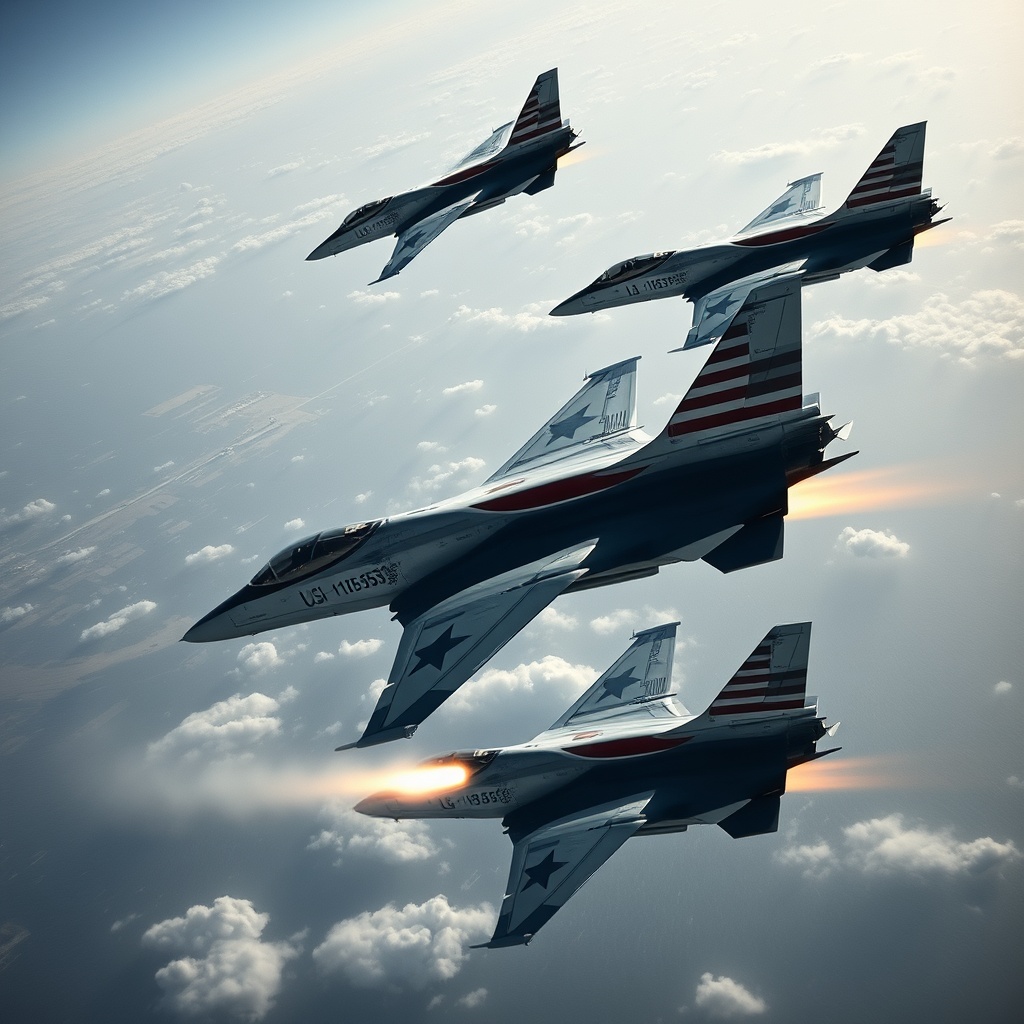
In a shocking turn of events, three US fighter jets were mistakenly shot down over Kuwait, resulting in all six crew members ejecting safely. This incident, which appears to be a case of "friendly fire," has sparked a thorough investigation by the Kuwaiti authorities. The incident raises concerns about the safety and accuracy of military operations, particularly in sensitive and conflict-prone regions. This article will delve into the details of the incident, explore the concept of friendly fire, and examine the implications of such events on international relations and military protocols.
Background and Circumstances of the Incident
The incident occurred on a day when the skies over Kuwait were filled with the sounds of military aircraft, as part of a joint exercise between the US and Kuwaiti militaries. The exercise, aimed at strengthening bilateral ties and enhancing military cooperation, involved several fighter jets and support aircraft. However, in a tragic turn of events, three US fighter jets were mistakenly identified as hostile aircraft and were shot down by Kuwaiti air defenses. Fortunately, all six crew members on board the aircraft managed to eject safely, thanks to their rigorous training and the effectiveness of their ejection systems.
According to eyewitnesses, the incident occurred in a matter of seconds, with the fighter jets being engulfed in flames and smoke before crashing to the ground. The Kuwaiti authorities quickly responded to the incident, dispatching emergency services and securing the crash sites. An investigation into the incident has been launched, with both US and Kuwaiti officials working together to determine the cause of the friendly fire.
The concept of friendly fire, also known as fratricide, refers to the phenomenon of military personnel or equipment being attacked by their own side or by allied forces. This can occur due to a variety of factors, including misidentification, communication breakdowns, or technical malfunctions. Friendly fire incidents can have devastating consequences, resulting in loss of life, equipment, and morale.
Implications and Consequences of Friendly Fire
The incident over Kuwait highlights the risks and challenges associated with military operations, particularly in complex and dynamic environments. Friendly fire incidents can have far-reaching implications, affecting not only the military personnel involved but also the broader strategic objectives of the operation. In this case, the incident may strain relations between the US and Kuwait, potentially undermining the trust and cooperation that underpins their military partnership.
Furthermore, friendly fire incidents can have significant psychological and emotional impacts on military personnel. The trauma and stress associated with being attacked by one's own side can be intense, leading to anxiety, guilt, and even post-traumatic stress disorder (PTSD). The incident over Kuwait serves as a stark reminder of the importance of robust training, effective communication, and meticulous planning in preventing such incidents.
In recent years, there have been several high-profile cases of friendly fire incidents, resulting in significant loss of life and equipment. For example, in 2019, a US drone strike mistakenly targeted a group of Afghan security forces, killing several personnel. Similarly, in 2020, a Saudi-led coalition airstrike hit a Yemeni military base, killing dozens of soldiers. These incidents highlight the need for greater vigilance and coordination in military operations, particularly in areas where multiple forces are operating.
Investigation and Response
The investigation into the incident over Kuwait is ongoing, with both US and Kuwaiti officials working together to determine the cause of the friendly fire. The investigation will likely focus on several key areas, including:
- Communication breakdowns: Were there any communication errors or misunderstandings between US and Kuwaiti forces that contributed to the incident?
- Identification procedures: Were the US fighter jets properly identified as friendly aircraft, and were the necessary protocols followed to prevent misidentification?
- Technical malfunctions: Was there a technical issue with the air defense systems or the fighter jets that contributed to the incident?
The response to the incident has been swift and decisive, with both US and Kuwaiti authorities taking immediate action to mitigate the consequences. The Kuwaiti government has launched a thorough investigation, and the US military has pledged to cooperate fully with the inquiry. The incident serves as a reminder of the importance of transparency and accountability in military operations, particularly when incidents occur.
In the aftermath of the incident, there have been calls for greater investment in military training and equipment, particularly in areas such as identification systems and communication protocols. The US military has already begun to implement new procedures and protocols to prevent similar incidents in the future, including enhanced training programs and improved communication systems.
Case Studies and Examples
There have been several notable cases of friendly fire incidents in recent history, which provide valuable lessons and insights into the complexities of military operations. For example:
- The Gulf War: During the 1991 Gulf War, a US Patriot missile battery mistakenly shot down a British Tornado fighter jet, killing both crew members. The incident highlighted the risks of friendly fire in high-intensity combat environments.
- The Iraq War: In 2003, a US Patriot missile battery mistakenly shot down a British Royal Air Force (RAF) Tornado fighter jet, killing both crew members. The incident led to significant changes in US and UK military protocols to prevent similar incidents.
- The Afghan War: In 2011, a US helicopter mistakenly fired on a group of Afghan soldiers, killing several personnel. The incident highlighted the challenges of operating in complex and dynamic environments, where the distinction between friend and foe can be blurred.
These case studies demonstrate the importance of learning from past incidents and implementing effective measures to prevent friendly fire. The incident over Kuwait serves as a stark reminder of the need for continued vigilance and cooperation in military operations, particularly in areas where multiple forces are operating.
Conclusion
The incident involving the three US fighter jets mistakenly shot down over Kuwait serves as a sobering reminder of the risks and challenges associated with military operations. The concept of friendly fire is complex and multifaceted, highlighting the need for robust training, effective communication, and meticulous planning in preventing such incidents. As the investigation into the incident continues, it is essential to learn from past mistakes and implement effective measures to prevent similar incidents in the future.
The incident also underscores the importance of transparency and accountability in military operations, particularly when incidents occur. The US and Kuwaiti authorities have taken swift and decisive action to mitigate the consequences of the incident, and their cooperation and commitment to transparency are commendable.
As the world becomes increasingly complex and interconnected, the risk of friendly fire incidents will only continue to grow. It is essential for military forces to prioritize training, communication, and cooperation to prevent such incidents and ensure the safety and success of their operations. The incident over Kuwait serves as a stark reminder of the importance of vigilance, cooperation, and accountability in military operations, and it is only through a thorough examination of this incident and others like it that we can work towards a safer and more effective military environment.

Leave a comment