
Introduction
A powerful blizzard recently swept through Massachusetts, dumping nearly 3 feet of snow in some areas and prompting a travel ban for nonessential motor vehicles in four counties. The ban, which was put in place to ensure public safety during the severe weather conditions, has now been lifted. However, motorists are still being urged to exercise caution and stay off the roads as the state continues to dig out from the massive snowfall. In this article, we will explore the impact of the blizzard, the efforts to clear the roads, and the ongoing challenges faced by residents and commuters.
The Blizzard's Fury
The blizzard that hit Massachusetts was a powerful and intense storm that brought with it heavy snowfall, high winds, and low visibility. The storm made travel extremely hazardous, with drifts reaching as high as 10 feet in some areas. The Massachusetts Emergency Management Agency (MEMA) reported that the storm dumped nearly 3 feet of snow in some parts of the state, with the highest totals found in the western and central regions. The heavy snowfall and strong winds also led to power outages, with thousands of households left without electricity.
The travel ban, which was imposed on Monday, prohibited nonessential motor vehicles from traveling on the roads in four counties: Berkshire, Franklin, Hampshire, and Hampden. The ban was put in place to allow crews to clear the roads and ensure that emergency responders could reach those in need. While the ban has now been lifted, officials are still urging motorists to use caution when traveling, as many roads remain snow-covered and icy.
Digging Out and Recovery Efforts
The process of digging out from the blizzard is a massive undertaking that requires the coordination of multiple agencies and thousands of workers. The Massachusetts Department of Transportation (MassDOT) has deployed hundreds of plows and sanding trucks to clear the roads, while local municipalities are also working to clear sidewalks, parking lots, and other public areas. The recovery efforts are being aided by the use of heavy equipment, such as front-end loaders and bulldozers, which are being used to move large amounts of snow.
In addition to the physical challenges of clearing the snow, there are also concerns about the impact of the storm on vulnerable populations, such as the elderly and those with disabilities. Many residents are still without power, and there are concerns about the potential for hypothermia and other cold-related illnesses. To address these concerns, the state has set up warming centers and shelters, where people can go to escape the cold and receive warm meals and other support.
Ongoing Challenges and Safety Concerns
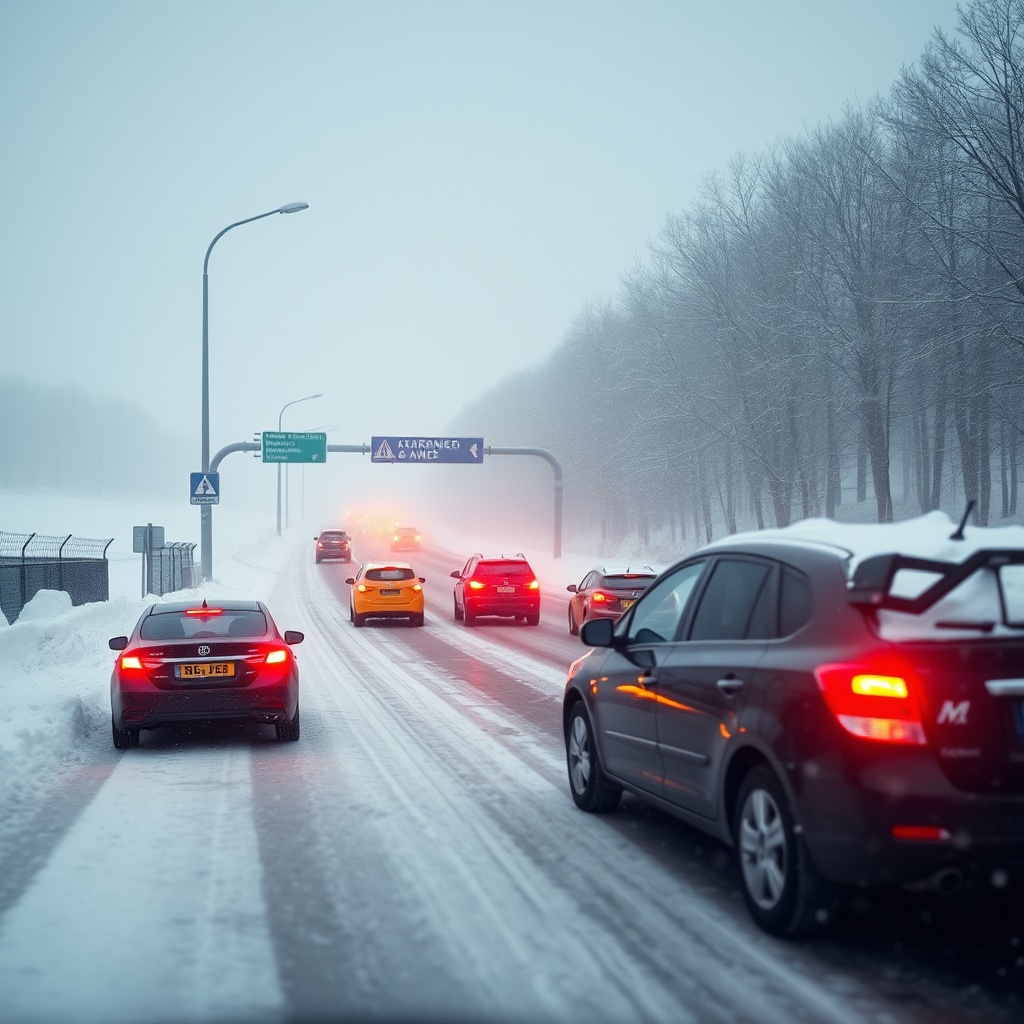
While the travel ban has been lifted, there are still many challenges and safety concerns that motorists and residents need to be aware of. Many roads remain snow-covered and icy, and there is a high risk of accidents and other hazards. The Massachusetts State Police are urging motorists to slow down and use caution when traveling, and to be aware of the potential for black ice and other hazards.
There are also concerns about the potential for roof collapses, as the heavy snowfall has put a significant amount of weight on buildings and other structures. The state has issued warnings about the dangers of roof collapses, and is urging property owners to take steps to clear snow from their roofs and to be aware of the signs of potential collapse.
In addition to the physical challenges of the storm, there are also economic and social impacts that need to be considered. Many businesses were forced to close during the storm, and there are concerns about the potential for lost revenue and other economic impacts. There are also concerns about the social impacts of the storm, particularly for vulnerable populations such as the elderly and those with disabilities.
Case Studies and Statistics
According to the National Weather Service, the blizzard that hit Massachusetts was one of the top 10 snowstorms in the state's history, with some areas receiving over 30 inches of snow. The storm also had a significant impact on the state's economy, with estimates suggesting that the storm could cost the state millions of dollars in lost revenue and other economic impacts.
In terms of statistics, the storm resulted in over 1,000 power outages, with some households left without electricity for several days. The storm also resulted in numerous accidents and other hazards, with the Massachusetts State Police reporting over 100 accidents during the storm.
A case study of the storm's impact on the city of Boston found that the storm had a significant impact on the city's transportation system, with many roads and public transportation systems shut down during the storm. The study also found that the storm had a significant impact on the city's economy, with many businesses forced to close during the storm.
Conclusion
In conclusion, the blizzard that hit Massachusetts was a powerful and intense storm that had a significant impact on the state's residents, commuters, and economy. While the travel ban has been lifted, there are still many challenges and safety concerns that need to be addressed. As the state continues to dig out from the storm, it is essential that motorists and residents exercise caution and follow the advice of officials.
The storm also highlights the importance of being prepared for severe weather events, and the need for effective emergency planning and response. By working together and taking steps to prepare for and respond to severe weather events, we can minimize the impacts of these events and keep our communities safe.
As the state looks to the future, it is clear that there will be many challenges and opportunities ahead. The storm has highlighted the need for investment in infrastructure and emergency preparedness, and the importance of supporting vulnerable populations during times of crisis. By learning from the experiences of the past and working together to build a more resilient and prepared community, we can create a brighter and safer future for all.

Leave a comment