
Introduction
The Caribbean island nation of Trinidad and Tobago has been thrown into a state of concern and investigation following reports that two of its citizens were killed in a U.S. strike off the coast of Venezuela. The incident, which is believed to have occurred on a boat suspected of being involved in drug trafficking, has sparked a flurry of activity among law enforcement officials in Trinidad and Tobago. As the police continue to investigate the reports, the nation is left to grapple with the implications of this incident and the broader context of drug trafficking in the region. This article will delve into the details of the incident, the investigation, and the wider issues surrounding drug trafficking in the Caribbean.
Background to the Incident
The incident in question is reported to have involved a boat that was struck by U.S. forces off the coast of Venezuela. According to initial reports, the boat was suspected of being involved in drug trafficking activities, and the U.S. strike was part of ongoing efforts to combat the illicit drug trade in the region. The reports of the involvement of Trinidad and Tobago citizens in the incident have raised concerns among the public and have prompted the police to launch an investigation into the matter. The police are working to verify the reports and to gather more information about the circumstances surrounding the incident.
Trinidad and Tobago, like many other Caribbean nations, has long struggled with the issue of drug trafficking. The country's strategic location in the southern Caribbean makes it a key transit point for drugs being smuggled from South America to other parts of the world. Despite efforts by law enforcement to combat the problem, drug trafficking remains a significant challenge for the nation. The incident off the coast of Venezuela serves as a stark reminder of the dangers and complexities of this issue.
The Investigation
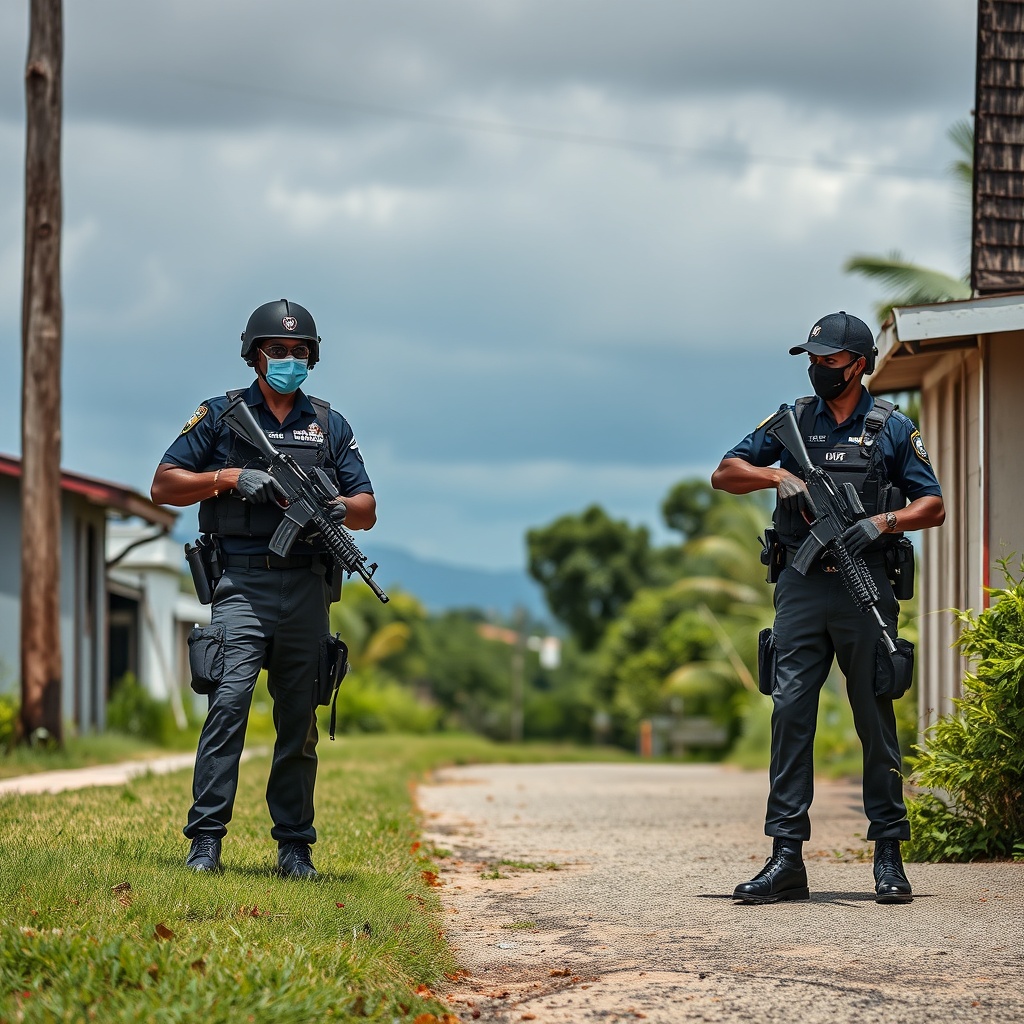
The police in Trinidad and Tobago are taking a thorough and meticulous approach to investigating the reports of the citizens' involvement in the U.S. strike. The investigation is being conducted in collaboration with international partners, including U.S. law enforcement agencies. The police are working to gather all available evidence, including witness statements, forensic evidence, and intelligence reports. The goal of the investigation is to determine the facts surrounding the incident and to verify the reports of the involvement of Trinidad and Tobago citizens.
As part of the investigation, the police are also examining the broader context of drug trafficking in the region. This includes looking at the routes and methods used by drug traffickers, as well as the role of organized crime groups in the trade. The investigation is also likely to involve a review of the country's laws and policies related to drug trafficking, with a view to identifying areas for improvement.
The Broader Context of Drug Trafficking
The incident off the coast of Venezuela is a stark reminder of the ongoing problem of drug trafficking in the Caribbean. The region's geographic location, with its many islands and extensive coastline, makes it an attractive transit point for drug traffickers. The drugs are typically smuggled from South America, where they are produced, and then transported to other parts of the world, including the United States and Europe.
Drug trafficking has significant social, economic, and security implications for the Caribbean region. It contributes to crime and violence, corrupts institutions, and undermines economic development. The trade also has a devastating impact on public health, as it fuels addiction and the spread of diseases. Furthermore, drug trafficking is often linked to organized crime groups, which can exert significant influence over communities and governments.
In recent years, there have been efforts to combat drug trafficking in the Caribbean, including through regional cooperation and international partnerships. For example, the Caribbean Community (CARICOM) has implemented a range of measures to combat the trade, including the establishment of a regional task force and the development of a comprehensive strategy to address the issue. The U.S. has also been working with Caribbean nations to combat drug trafficking, through initiatives such as the Caribbean Basin Security Initiative.
Case Studies and Examples
There are several case studies and examples that illustrate the complexities and challenges of drug trafficking in the Caribbean. One notable example is the case of Jamaica, which has long struggled with the issue of drug trafficking. In the 1980s, Jamaica was a major transit point for cocaine being smuggled from Colombia to the United States. The trade contributed to significant violence and corruption in the country, and it undermined Jamaica's economic development.
More recently, there have been reports of an increase in drug trafficking activity in the Eastern Caribbean, particularly in countries such as St. Lucia and St. Vincent and the Grenadines. This has been attributed to a combination of factors, including the presence of organized crime groups and the lack of effective law enforcement capacity in some countries.
Statistics and Data
There are several statistics and data points that highlight the scope and impact of drug trafficking in the Caribbean. For example, according to the United Nations Office on Drugs and Crime (UNODC), the Caribbean region is a significant transit point for cocaine being smuggled from South America to other parts of the world. In 2020, the UNODC reported that approximately 10% of the world's cocaine seizures occurred in the Caribbean.
In terms of the economic impact of drug trafficking, a study by the Caribbean Development Bank found that the trade costs the region an estimated $3 billion per year. This is due to a combination of factors, including the loss of tax revenue, the costs of law enforcement and healthcare, and the negative impact on tourism and investment.
Conclusion
The incident off the coast of Venezuela, in which two citizens of Trinidad and Tobago were reportedly killed in a U.S. strike, serves as a stark reminder of the ongoing problem of drug trafficking in the Caribbean. The investigation into the incident is ongoing, and it is likely to shed more light on the complexities and challenges of this issue. As the region continues to grapple with the social, economic, and security implications of drug trafficking, it is clear that a comprehensive and coordinated approach is needed to address the problem.
This approach must involve regional cooperation, international partnerships, and a commitment to strengthening law enforcement capacity and addressing the root causes of the trade. It is also essential that the region's governments and institutions are transparent and accountable, and that they prioritize the needs and well-being of their citizens. By working together and adopting a proactive and comprehensive approach, the Caribbean region can make significant progress in combating drug trafficking and achieving a safer, more prosperous future for all its citizens.
In the coming years, it will be important to monitor the progress of the investigation and to track the impact of efforts to combat drug trafficking in the region. This will involve ongoing research and analysis, as well as a commitment to transparency and accountability. By staying informed and engaged, citizens and stakeholders can play a critical role in shaping the response to this issue and in promoting a safer, more secure Caribbean region.
Ultimately, the incident off the coast of Venezuela is a reminder of the need for vigilance and cooperation in the face of complex and evolving threats. By working together and adopting a proactive and comprehensive approach, the Caribbean region can make significant progress in combating drug trafficking and achieving a brighter future for all its citizens. As the investigation continues and the region looks to the future, one thing is clear: the fight against drug trafficking will require sustained effort, commitment, and cooperation from all stakeholders involved.

Leave a comment