
Introduction
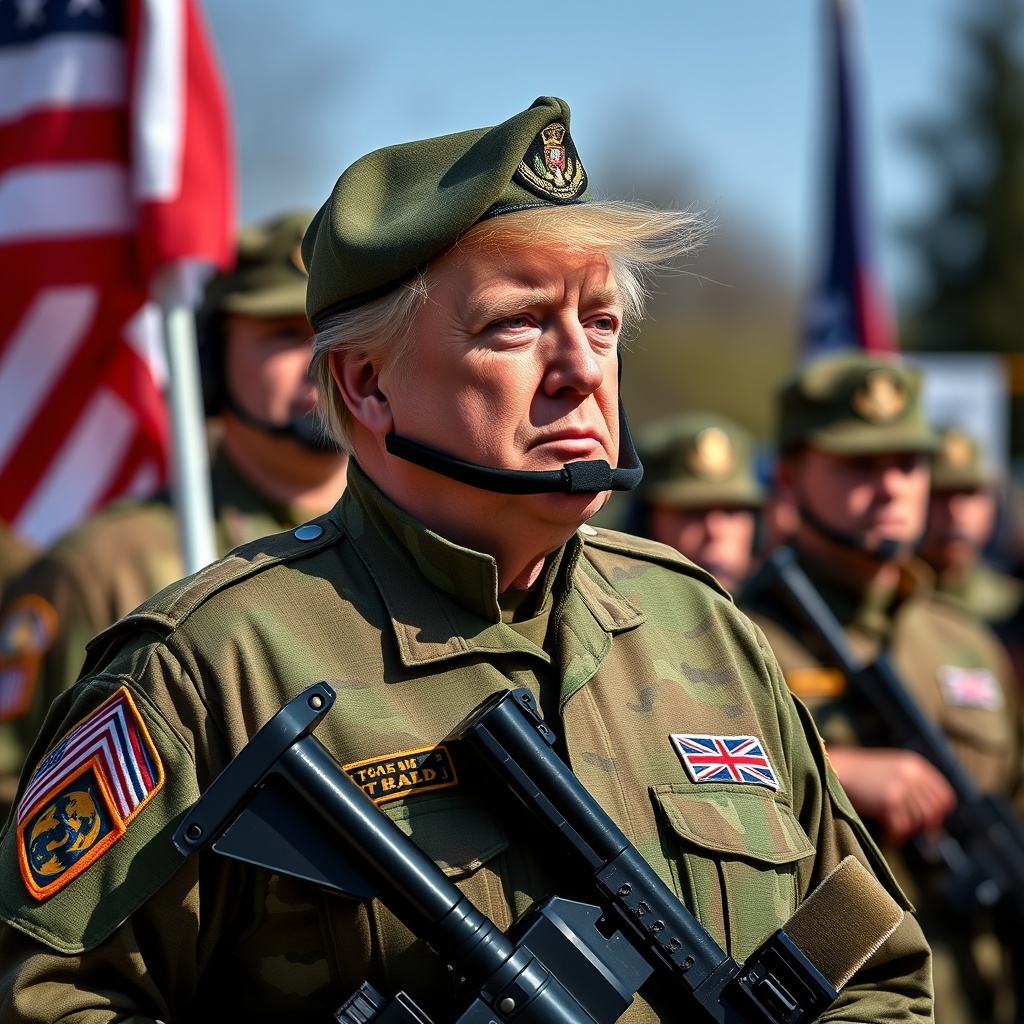
The Trump administration's efforts to deploy the National Guard to Portland, Oregon, have been a topic of controversy and debate. In a recent court ruling, an appeals court overturned a temporary restraining order that had prevented the administration from sending National Guard troops to the city. This decision has significant implications for the ongoing protests and demonstrations in Portland, as well as the broader conversation around federal power and state sovereignty. In this article, we will delve into the details of the court ruling, the context surrounding the deployment of the National Guard, and the potential consequences of this decision.
Background on the Protests in Portland
Portland has been a hub of protests and demonstrations in recent years, with activists gathering to express their views on a range of issues, including racial justice, police brutality, and government policy. The protests have been largely peaceful, but there have been instances of violence and property damage, which have led to calls for increased law enforcement presence. The Trump administration has been keen to crack down on the protests, citing concerns about public safety and the need to maintain order. In response, the administration has sought to deploy the National Guard to Portland, which has been met with resistance from local officials and activists.
The protests in Portland are part of a larger national conversation about racial justice and police brutality. The city has a long history of activism and social justice movements, and the current protests are a continuation of this tradition. However, the Trump administration's efforts to deploy the National Guard have been seen by many as an attempt to suppress the protests and undermine the rights of activists to free speech and assembly. According to a report by the American Civil Liberties Union (ACLU), the deployment of the National Guard to Portland would be a "gross misuse of federal power" and would "chill the exercise of First Amendment rights."
The Court Ruling
The appeals court ruling that overturned the temporary restraining order was a significant development in the ongoing saga surrounding the deployment of the National Guard to Portland. The ruling was issued in response to a lawsuit filed by the city of Portland, which had sought to block the deployment of the National Guard. The city argued that the deployment would be unconstitutional and would violate the rights of protesters. However, the appeals court disagreed, ruling that the Trump administration had the authority to deploy the National Guard to Portland.
The court ruling was based on a provision of the Insurrection Act, which gives the president the power to deploy the military to quell civil unrest. The Trump administration argued that the protests in Portland constituted a threat to public safety and that the deployment of the National Guard was necessary to maintain order. The appeals court accepted this argument, ruling that the Trump administration had the authority to deploy the National Guard to Portland.
However, the ruling has been met with criticism from civil liberties groups and activists, who argue that it sets a dangerous precedent for the use of federal power to suppress protests and demonstrations. According to a statement by the ACLU, the ruling "gives the Trump administration a blank check to deploy the military to suppress protests and demonstrations across the country." The organization has vowed to continue fighting the deployment of the National Guard to Portland and to defend the rights of activists to free speech and assembly.
Implications of the Court Ruling
The court ruling has significant implications for the ongoing protests and demonstrations in Portland, as well as the broader conversation around federal power and state sovereignty. The deployment of the National Guard to Portland could lead to an escalation of tensions between protesters and law enforcement, which could result in further violence and property damage. Additionally, the ruling sets a precedent for the use of federal power to suppress protests and demonstrations, which could have far-reaching consequences for the rights of activists and the ability of citizens to express their views.
The deployment of the National Guard to Portland could also have significant economic and social implications for the city. The presence of military troops could deter tourists and businesses from visiting the city, which could have a negative impact on the local economy. Additionally, the deployment could lead to a breakdown in trust between law enforcement and the community, which could have long-term consequences for public safety and community relations.
According to a report by the Portland Business Alliance, the deployment of the National Guard could result in a loss of $1 million per day in economic activity, which could have a significant impact on the local economy. The report also notes that the deployment could lead to a decline in public safety, as the presence of military troops could escalate tensions and lead to further violence.
Conclusion
The court ruling that allows the Trump administration to deploy the National Guard to Portland is a significant development in the ongoing saga surrounding the protests and demonstrations in the city. While the ruling has been met with criticism from civil liberties groups and activists, it is a reminder of the complex and often contentious nature of the relationship between federal power and state sovereignty. As the situation in Portland continues to unfold, it is essential to consider the potential consequences of the deployment of the National Guard and to defend the rights of activists to free speech and assembly.
The deployment of the National Guard to Portland is a reminder of the importance of protecting civil liberties and the rights of citizens to express their views. As the country continues to grapple with issues of racial justice, police brutality, and government policy, it is essential to defend the rights of activists and to ensure that the government does not overstep its authority. The ruling is a call to action for civil liberties groups, activists, and citizens to continue fighting for the rights of protesters and to defend the principles of democracy and free speech.
In the coming days and weeks, it will be essential to monitor the situation in Portland and to consider the potential consequences of the deployment of the National Guard. The city's residents, activists, and officials must work together to ensure that the rights of protesters are protected and that the city remains a safe and welcoming place for all. By defending the rights of activists and promoting peaceful protest, we can work towards a more just and equitable society, where the voices of all citizens are heard and valued.
Ultimately, the court ruling is a reminder of the importance of protecting civil liberties and the rights of citizens to express their views. As the country continues to evolve and grow, it is essential to defend the principles of democracy and free speech, and to ensure that the government does not overstep its authority. By working together and promoting peaceful protest, we can build a brighter future for all, where the rights of citizens are protected and the principles of democracy are upheld.

Leave a comment