
Introduction
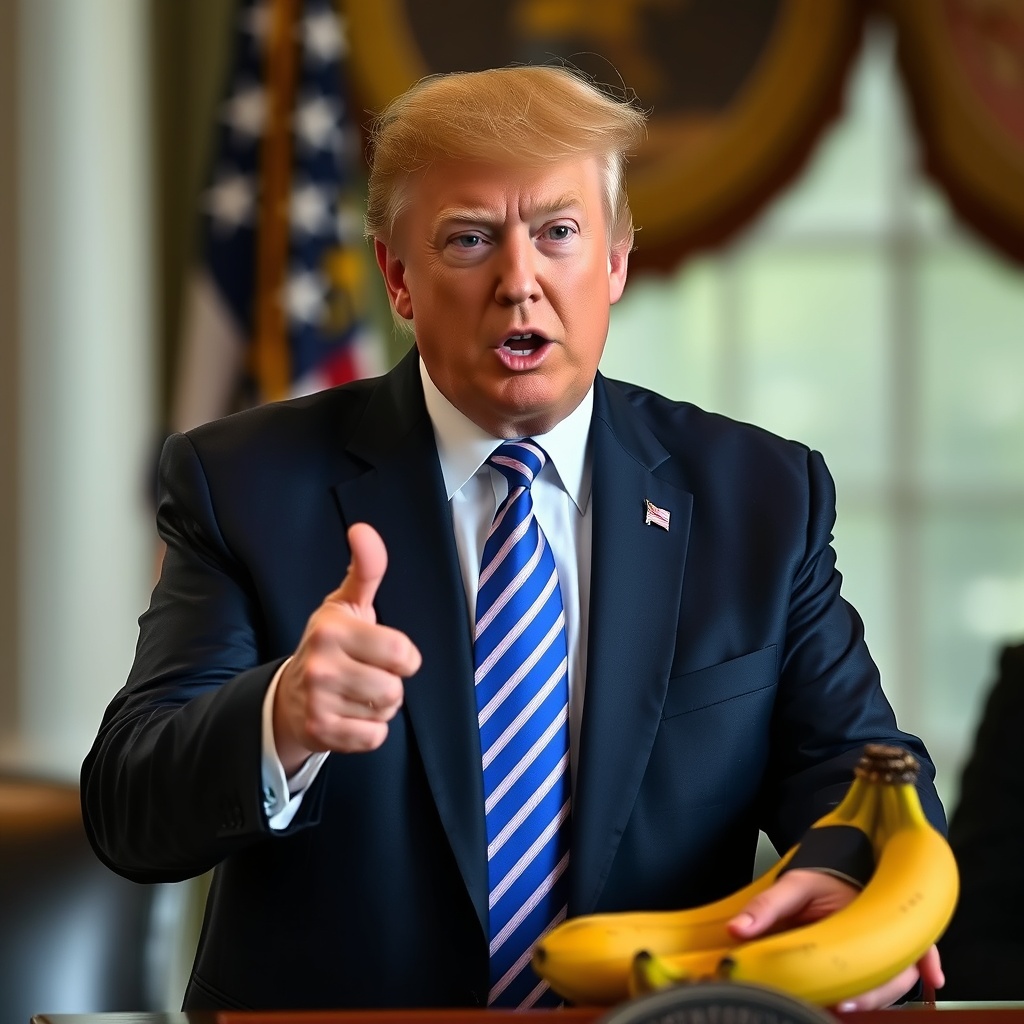
In a surprise move, President Trump has dropped reciprocal tariffs on dozens of food items, including beef, bananas, and other essential groceries. This decision, announced through an executive order on Friday night, is expected to have a significant impact on the global food trade and the prices of everyday food items in the United States. The move is seen as a major shift in the Trump administration's trade policy, which has been marked by a series of tariffs imposed on various countries, including China, Mexico, and the European Union. In this article, we will explore the details of the tariff drop, its potential effects on the food industry, and the broader implications for international trade.
Background and Context
The Trump administration has been involved in a series of trade disputes with various countries, resulting in the imposition of tariffs on a wide range of products, including food items. The tariffs were intended to protect American industries and farmers, but they have also led to retaliatory measures from other countries, resulting in a trade war. The tariffs on food items, in particular, have been a point of contention, with many arguing that they have led to higher prices for consumers and hurt American farmers who export their products to other countries.
The decision to drop tariffs on dozens of food items is seen as a significant concession by the Trump administration, and it is likely to be welcomed by consumers and the food industry. The list of products affected by the tariff drop includes a wide range of items, such as beef, pork, chicken, fruits, vegetables, and spices. The move is expected to lead to lower prices for these items, making them more affordable for American consumers.
Impact on the Food Industry
The drop in tariffs on food items is expected to have a significant impact on the food industry, both in the United States and around the world. For American consumers, the move is likely to lead to lower prices for a wide range of food items, making them more affordable and increasing their purchasing power. According to a study by the National Retail Federation, the average American household spends around $7,700 per year on food, accounting for around 13% of their total household expenditure. A reduction in food prices could, therefore, have a significant impact on household budgets and consumer spending.
For the food industry, the tariff drop is expected to lead to increased demand for imported food items, which could result in higher sales and revenue for companies involved in the import and export of food products. According to a report by the Food Marketing Institute, the US food industry is a significant contributor to the country's economy, generating around $1.4 trillion in economic activity each year. The move could also lead to increased competition in the food market, as imported products become more competitive with domestic products.
Global Trade Implications
The decision to drop tariffs on dozens of food items has significant implications for global trade, particularly in the context of the ongoing trade disputes between the United States and other countries. The move is seen as a major concession by the Trump administration, and it could potentially lead to a reduction in trade tensions between the United States and other countries.
According to a report by the World Trade Organization (WTO), the global food trade is worth around $1.4 trillion per year, accounting for around 10% of total global trade. The drop in tariffs on food items could, therefore, have a significant impact on global trade patterns, leading to increased trade in food products and potentially reducing trade tensions between countries.
The move could also have implications for other countries that have imposed retaliatory tariffs on American products, including food items. For example, China, which has been involved in a trade war with the United States, has imposed tariffs on a wide range of American products, including soybeans, pork, and chicken. The drop in tariffs on food items could potentially lead to a reduction in these retaliatory tariffs, leading to increased trade between the two countries.
Examples and Case Studies
The impact of the tariff drop on food items can be illustrated through several examples and case studies. For instance, the US beef industry, which has been affected by tariffs imposed by countries such as China and Japan, is expected to benefit significantly from the move. According to a report by the US Meat Export Federation, the US beef industry exported around $8.1 billion worth of beef products in 2020, with China and Japan being two of the largest markets. The drop in tariffs on beef products could lead to increased exports to these countries, resulting in higher sales and revenue for American beef producers.
Another example is the banana industry, which has been affected by tariffs imposed by countries such as the European Union. The EU has imposed tariffs on American banana exporters, resulting in higher prices for American bananas in the EU market. The drop in tariffs on bananas could lead to increased exports to the EU, resulting in higher sales and revenue for American banana producers.
Statistics and Data
The impact of the tariff drop on food items can also be illustrated through statistics and data. According to a report by the US Department of Agriculture, the average American consumer spends around $1,500 per year on meat, poultry, and fish products. The drop in tariffs on these products could lead to a reduction in prices, resulting in higher demand and increased consumer spending.
In terms of trade data, the US Census Bureau reports that the United States imported around $146 billion worth of food products in 2020, with countries such as Mexico, Canada, and China being among the largest suppliers. The drop in tariffs on food items could lead to increased imports from these countries, resulting in higher trade volumes and increased economic activity.
Conclusion
In conclusion, the decision by President Trump to drop tariffs on dozens of food items is a significant development that is expected to have a major impact on the food industry and global trade. The move is likely to lead to lower prices for consumers, increased demand for imported food products, and higher sales and revenue for companies involved in the import and export of food products. The decision also has significant implications for global trade, potentially leading to a reduction in trade tensions between the United States and other countries.
As the global food trade continues to evolve, it will be important to monitor the impact of the tariff drop on food items and the broader trade landscape. The move is a significant concession by the Trump administration, and it could potentially lead to a more stable and predictable trade environment, benefiting both American consumers and the food industry. However, the long-term effects of the tariff drop will depend on various factors, including the response of other countries and the ongoing trade disputes between the United States and other nations.

Leave a comment