
Introduction
The situation in Venezuela has been a topic of concern for the international community for several years, with the country facing economic, social, and political turmoil. President Donald Trump has been a vocal critic of Venezuelan President Nicolas Maduro, and has hinted at the possibility of military intervention to oust him from power. However, experts warn that such a move could lead to a long and chaotic military commitment, with far-reaching consequences for the region and the world. In this article, we will explore the potential implications of a US-led military intervention in Venezuela, and examine the complexities of the situation.
The Current Situation in Venezuela
Venezuela has been in a state of crisis since 2013, when President Hugo Chavez died and was succeeded by Nicolas Maduro. The country has faced severe economic problems, including hyperinflation, food and medicine shortages, and a decline in oil production. The government has been accused of human rights abuses, and the opposition has been subject to repression and persecution. The international community has imposed sanctions on Venezuela, which has further exacerbated the economic crisis.
The situation has become increasingly unstable, with protests and demonstrations against the government becoming more frequent and violent. The opposition has been calling for free and fair elections, but the government has refused to hold them. The crisis has also had a significant impact on the region, with many Venezuelans fleeing to neighboring countries in search of food, shelter, and safety.
The Potential for US Military Intervention
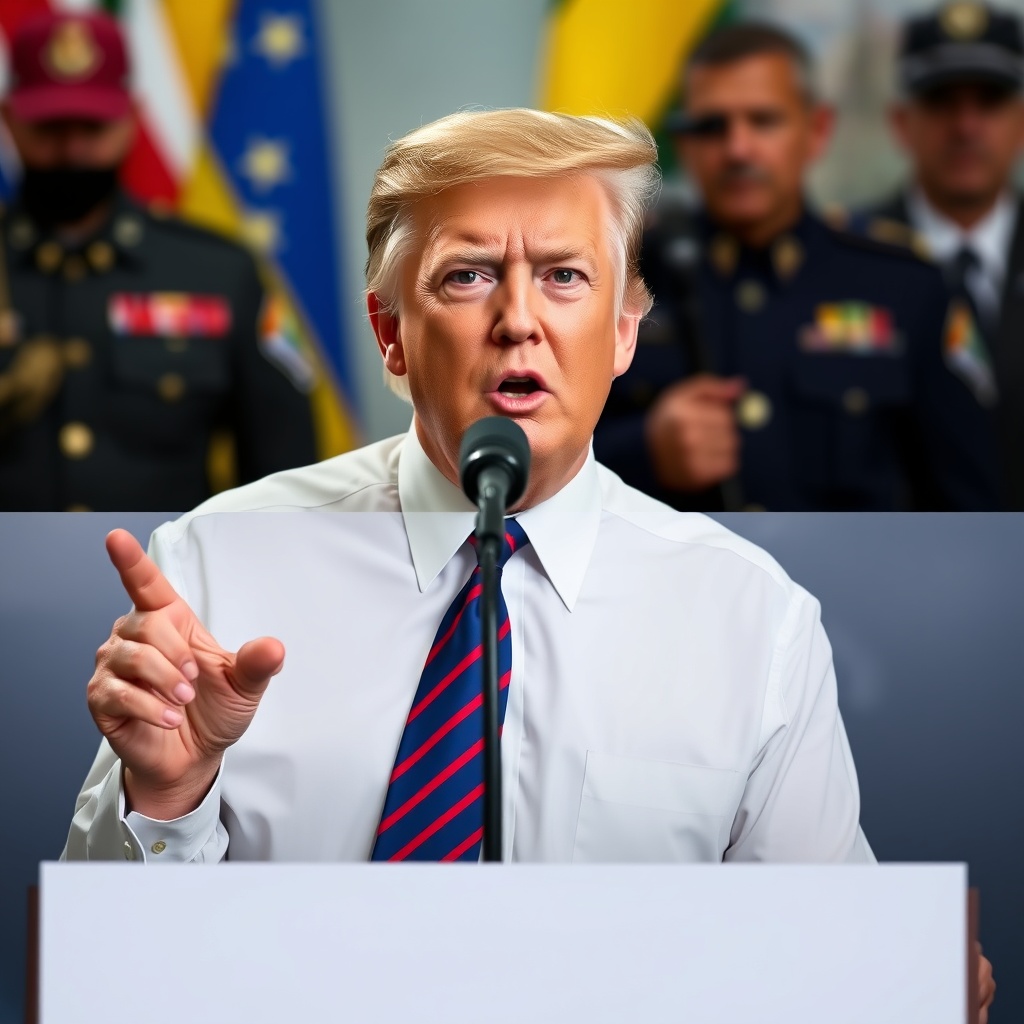
President Trump has been a vocal critic of President Maduro, and has hinted at the possibility of military intervention to oust him from power. In a recent statement, Trump said that "all options are on the table" when it comes to Venezuela, including land strikes inside the country. However, experts warn that such a move could lead to a long and chaotic military commitment, with far-reaching consequences for the region and the world.
A military intervention in Venezuela would be a complex and difficult operation, requiring significant resources and planning. The country has a large and well-equipped military, and the terrain is challenging, with dense jungles and mountainous regions. The US would need to assemble a coalition of troops from other countries, and would need to establish a clear objective and strategy for the intervention.
According to a report by the Brookings Institution, a US-led military intervention in Venezuela could lead to a number of negative consequences, including:
- A significant loss of life, both among Venezuelan civilians and military personnel, as well as among US and coalition troops
- A destabilization of the region, with the potential for violence and unrest to spread to neighboring countries
- A significant economic cost, with the potential for the US to become bogged down in a long and expensive conflict
- A damage to the US's reputation and credibility in the region, with the potential for other countries to view the US as a aggressor
The Role of Other Countries in the Region
The situation in Venezuela is not just a US-Venezuela issue, but also involves other countries in the region. Many countries in the region have been affected by the crisis, with millions of Venezuelans fleeing to neighboring countries in search of food, shelter, and safety.
The Organization of American States (OAS) has been working to find a solution to the crisis, and has called for free and fair elections to be held in Venezuela. The OAS has also imposed sanctions on Venezuela, and has suspended the country's membership in the organization.
Other countries in the region, such as Colombia and Brazil, have also been affected by the crisis, and have been working to provide humanitarian assistance to Venezuelan migrants. However, the situation is complex, and there are many different opinions and interests at play.
For example, Cuba and Nicaragua have been strong supporters of the Maduro government, and have provided significant economic and military aid to the country. On the other hand, countries such as Argentina and Chile have been critical of the government, and have called for democratic reforms.
The Humanitarian Crisis
The crisis in Venezuela has had a devastating impact on the humanitarian situation in the country. According to the United Nations, there are over 4 million Venezuelan migrants and refugees in the region, with many more expected to flee in the coming months.
The situation is particularly dire for vulnerable populations, such as women, children, and the elderly. Many people are struggling to access basic necessities, such as food, water, and healthcare. The UN has warned of a potential humanitarian catastrophe, with the potential for widespread famine and disease.
The international community has been working to provide humanitarian assistance to Venezuela, but the situation is complex, and there are many challenges to delivering aid. The government has been accused of blocking aid deliveries, and there have been reports of corruption and mismanagement of aid funds.
According to a report by the UN, the humanitarian crisis in Venezuela is one of the worst in the world, with:
- Over 80% of the population living in poverty
- Over 60% of the population struggling to access food
- Over 50% of the population struggling to access healthcare
- Over 30% of the population struggling to access clean water and sanitation
Conclusion
The situation in Venezuela is complex and challenging, with many different opinions and interests at play. While President Trump has hinted at the possibility of military intervention to oust President Maduro from power, experts warn that such a move could lead to a long and chaotic military commitment, with far-reaching consequences for the region and the world.
The international community must work together to find a solution to the crisis, one that prioritizes the needs and rights of the Venezuelan people. This will require a comprehensive and multifaceted approach, including diplomatic efforts, humanitarian assistance, and support for democratic reforms.
The US and other countries in the region must also be aware of the potential risks and challenges of military intervention, and must carefully consider the potential consequences of such a move. The situation in Venezuela is a reminder of the importance of diplomacy and international cooperation, and the need for the international community to work together to address complex and challenging global problems.
In the words of the UN Secretary-General, "the situation in Venezuela is a humanitarian crisis, and it requires a humanitarian response. We must work together to provide aid and support to the Venezuelan people, and to find a peaceful and democratic solution to the crisis."
As the situation in Venezuela continues to evolve, it is clear that the international community has a critical role to play in addressing the crisis. The US and other countries must work together to find a solution that prioritizes the needs and rights of the Venezuelan people, and that promotes peace, stability, and democracy in the region.

Leave a comment