
Introduction
In a bizarre and provocative incident, a post from former President Donald Trump has sparked outrage and controversy, entering what many are calling the "danger zone." The post in question features an AI-generated video set to the song "Danger Zone" by Kenny Loggins, which was famously featured in the 1986 film Top Gun. However, the video's content has been widely condemned, depicting the president dumping feces from a fighter jet on a group of protesters, reportedly from the "No Kings" movement. This article will delve into the details of the incident, the reaction from Kenny Loggins, and the broader implications of this controversy.
The Incident and Reaction
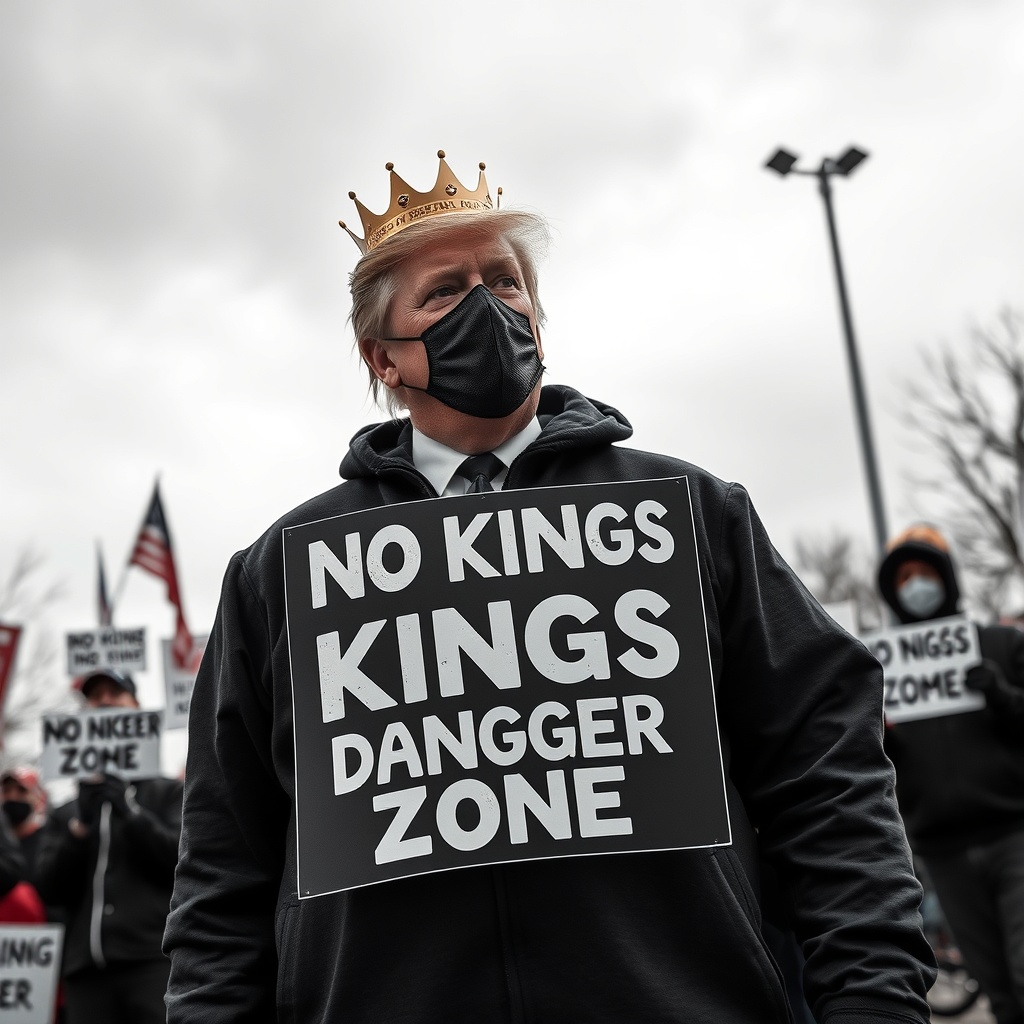
The AI-generated video, which was shared on Trump's social media platform, shows a graphic and disturbing scene of a fighter jet dumping feces on a group of protesters. The video is set to the iconic song "Danger Zone" by Kenny Loggins, which has become synonymous with the Top Gun franchise. However, the use of the song in this context has been widely criticized, with many calling it a blatant attempt to mock and demean the protesters. The "No Kings" movement, which is reportedly the target of the video, has been involved in various protests and demonstrations across the country, advocating for social justice and equality.
Kenny Loggins, the musician behind the song, has spoken out against the use of his music in the video, demanding that Trump remove it immediately. In a statement, Loggins expressed his outrage and disappointment, stating that he did not authorize the use of his song in the video and does not condone the message it conveys. This is not the first time that Trump has faced criticism for his use of music in his campaign and social media posts. In the past, several artists have spoken out against the use of their music without permission, including Adele, Elton John, and the Rolling Stones.
The Broader Implications
The controversy surrounding the video has sparked a wider debate about the use of AI-generated content in politics and the potential consequences of such actions. The video, which was created using advanced AI technology, has raised questions about the ethics of using such technology to create and disseminate provocative and disturbing content. While AI-generated content has the potential to be a powerful tool for creative expression and communication, it also poses significant risks and challenges, particularly in the context of politics and social media.
The use of AI-generated content in politics has the potential to blur the lines between reality and fiction, creating a situation where it becomes increasingly difficult to distinguish between what is real and what is not. This can have serious consequences, particularly in the context of elections and political campaigns, where the spread of misinformation and disinformation can have a significant impact on public opinion and voting behavior. Furthermore, the use of AI-generated content to mock and demean certain groups of people, as in the case of the "No Kings" protesters, can contribute to a toxic and divisive political environment, exacerbating existing social and economic tensions.
The Role of Social Media and AI in Politics
The incident has also highlighted the role of social media and AI in politics, and the need for greater regulation and oversight of these technologies. Social media platforms, in particular, have been criticized for their failure to adequately regulate and monitor the content that is posted on their sites, allowing for the spread of misinformation and hate speech. The use of AI-generated content on these platforms has added a new layer of complexity to this issue, making it increasingly difficult to distinguish between what is real and what is not.
In response to these challenges, there have been calls for greater regulation and oversight of social media and AI technologies, particularly in the context of politics and elections. This could include measures such as increased transparency and accountability, stricter content moderation policies, and greater investment in fact-checking and media literacy initiatives. Additionally, there is a need for greater awareness and education about the potential risks and consequences of AI-generated content, particularly among politicians and social media users.
Conclusion
In conclusion, the controversy surrounding Trump's post mocking the "No Kings" protests has entered the "danger zone," highlighting the potential risks and consequences of using AI-generated content in politics. The incident has sparked a wider debate about the use of AI-generated content, the role of social media in politics, and the need for greater regulation and oversight of these technologies. As we move forward, it is essential that we prioritize transparency, accountability, and fact-based communication, and work to create a more informed and engaged citizenry. By doing so, we can mitigate the risks associated with AI-generated content and social media, and promote a more constructive and respectful political discourse.

Leave a comment