
Introduction
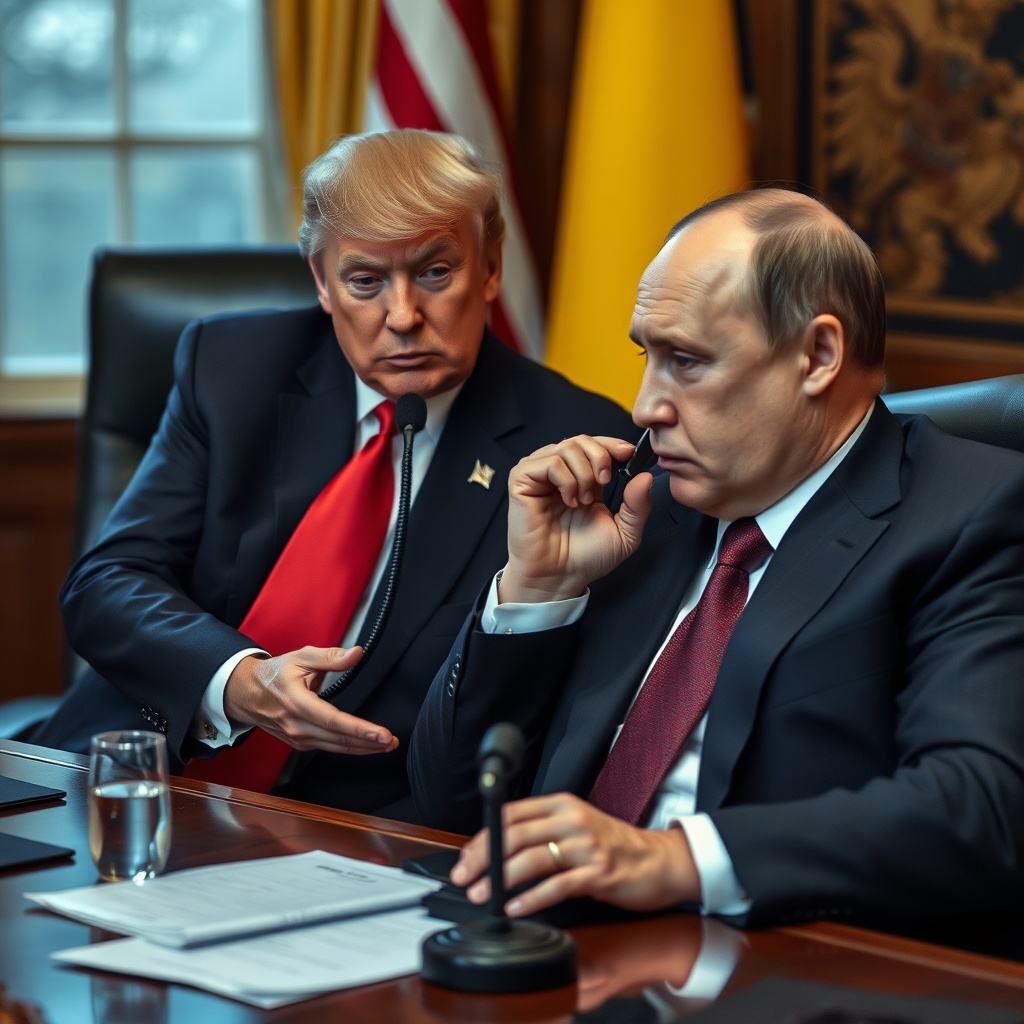
The recent phone call between former US President Donald Trump and Russian President Vladimir Putin has sent shockwaves throughout the international community, particularly in Ukraine. The call, which resulted in Trump softening his stance on Moscow, has dimmed Kyiv's hopes of receiving US Tomahawk missiles. This development is a significant setback for Ukraine, which has been relying on Western support to defend itself against Russian aggression. In this article, we will explore the implications of the Trump-Putin phone call, the significance of Tomahawk missiles for Ukraine, and the potential consequences of the US's shifting stance on Russia.
The Trump-Putin Phone Call: A Shift in US Policy?
The phone call between Trump and Putin has been widely reported as a significant development in US-Russia relations. According to sources, the call resulted in Trump expressing a willingness to meet with Putin in Hungary, a move that has been seen as a softening of the US's stance on Russia. This shift in policy has been met with concern in Ukraine, where officials had been hoping to receive Tomahawk missiles from the US to aid in their defense against Russian-backed separatists. The Tomahawk missile system is a highly advanced and effective weapon that would significantly enhance Ukraine's military capabilities.
The Trump-Putin phone call has also raised questions about the US's commitment to Ukraine's security. The US has been a key supporter of Ukraine since the start of the conflict with Russian-backed separatists in 2014. However, the recent phone call has created uncertainty about the US's willingness to continue providing military aid to Ukraine. This uncertainty has been exacerbated by Trump's history of unpredictable decision-making and his tendency to prioritize personal relationships with foreign leaders over traditional alliances and diplomatic channels.
The Significance of Tomahawk Missiles for Ukraine
Tomahawk missiles are a critical component of the US's military arsenal, and their potential transfer to Ukraine would be a significant development in the conflict. The Tomahawk missile system is a long-range, precision-guided weapon that can be used to strike targets deep within enemy territory. This would be a game-changer for Ukraine, which has been struggling to defend itself against Russian-backed separatists.
The transfer of Tomahawk missiles to Ukraine would also send a strong signal to Russia that the US is committed to supporting Ukraine's security. This would be a significant escalation of the US's involvement in the conflict and would likely be met with resistance from Russia. However, the US's failure to provide Tomahawk missiles to Ukraine would be seen as a sign of weakness and a lack of commitment to Ukraine's security.
According to a report by the Center for Strategic and International Studies (CSIS), the transfer of Tomahawk missiles to Ukraine would have significant implications for the conflict. The report states that the Tomahawk missile system would provide Ukraine with a "significant capability to strike Russian targets" and would "increase the cost of Russian aggression." However, the report also notes that the transfer of Tomahawk missiles would require significant training and support from the US, and would likely be met with resistance from Russia.
The Consequences of the US's Shifting Stance on Russia
The US's shifting stance on Russia has significant implications for the international community. The Trump-Putin phone call has created uncertainty about the US's commitment to Ukraine's security, and has raised questions about the US's willingness to confront Russian aggression. This uncertainty has been exacerbated by the US's history of inconsistent policy towards Russia, which has created confusion and mistrust among US allies.
The consequences of the US's shifting stance on Russia are far-reaching. A weakening of the US's commitment to Ukraine's security would embolden Russia to continue its aggression in the region. This would have significant implications for the international community, including the potential for further conflict and instability in Eastern Europe.
According to a report by the Brookings Institution, the US's shifting stance on Russia has already had significant consequences. The report states that the US's "inconsistent and unpredictable policy towards Russia" has created "confusion and mistrust among US allies" and has "emboldened Russia to continue its aggression in the region." The report also notes that the US's failure to provide consistent support to Ukraine has "undermined the country's ability to defend itself" and has "created a power vacuum that Russia has been able to exploit."
Conclusion
The Trump-Putin phone call has significant implications for Ukraine and the international community. The US's shifting stance on Russia has created uncertainty about the US's commitment to Ukraine's security, and has raised questions about the US's willingness to confront Russian aggression. The failure to provide Tomahawk missiles to Ukraine would be a significant setback for the country, and would embolden Russia to continue its aggression in the region.
As the international community looks to the future, it is clear that the US's policy towards Russia will have significant implications for global security. The US must prioritize consistency and predictability in its policy towards Russia, and must be willing to confront Russian aggression in a strong and unified manner. The transfer of Tomahawk missiles to Ukraine would be a significant step towards enhancing the country's security, and would send a strong signal to Russia that the US is committed to supporting Ukraine's security.
In the end, the Trump-Putin phone call is a reminder of the complex and ever-changing nature of international relations. As the US and Russia continue to navigate their complicated relationship, it is clear that the consequences of their actions will be felt far beyond the borders of Ukraine. The international community must remain vigilant and engaged, and must prioritize diplomacy and cooperation in the face of uncertainty and aggression. Only through a strong and unified response can the international community hope to promote peace and stability in the region, and to prevent further conflict and instability.

Leave a comment