
Introduction
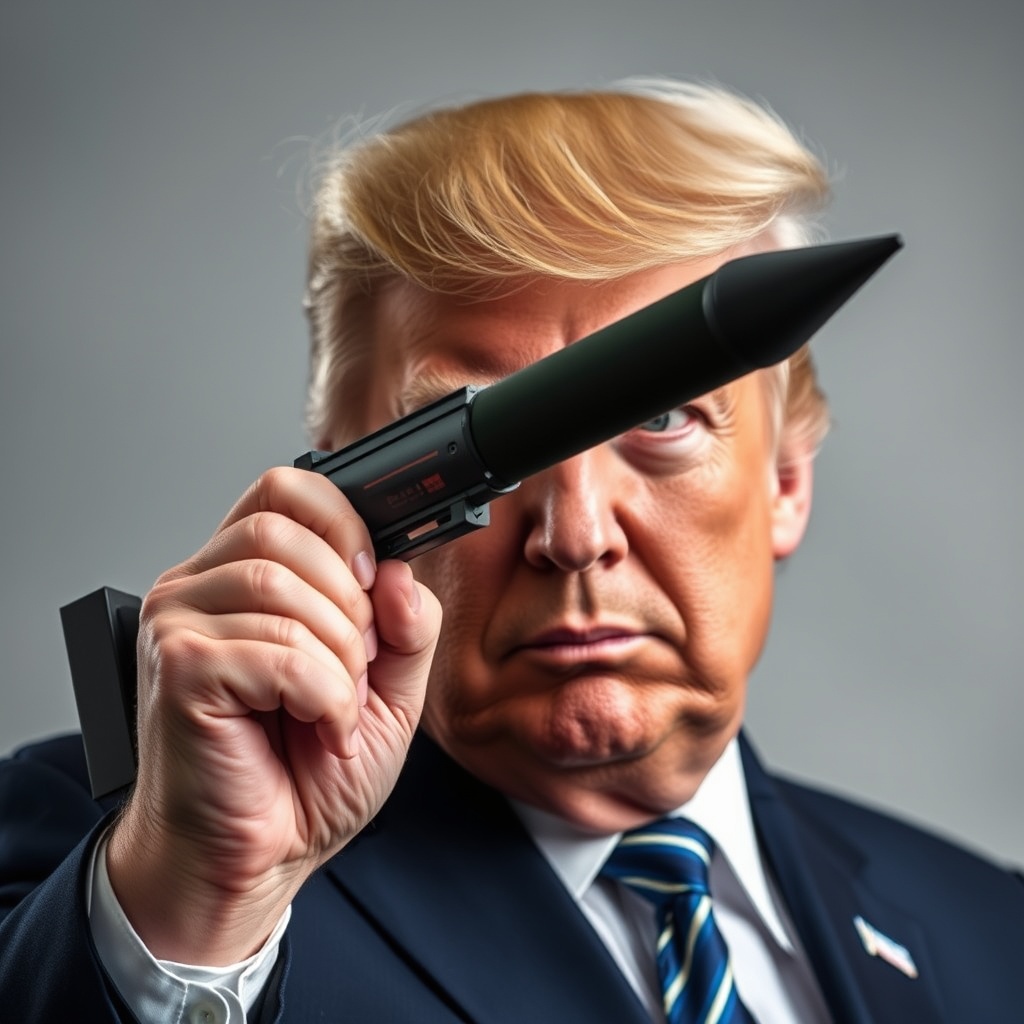
The ongoing conflict between Ukraine and Russia has been a pressing concern for the international community, with various countries providing military aid to Ukraine to help counter the Russian aggression. One of the key requests made by Ukrainian President Volodymyr Zelenskyy has been for the United States to provide Tomahawk missiles, which are advanced, long-range cruise missiles capable of precise strikes against enemy targets. However, in a recent meeting at the White House, President Donald Trump expressed reluctance to fulfill this request, citing the "dangerous" nature of these weapons. This article will delve into the details of the meeting between Trump and Zelenskyy, the implications of the US decision, and the broader context of the conflict.
Background to the Conflict and US Involvement
The conflict between Ukraine and Russia began in 2014, following the annexation of Crimea by Russia and the subsequent support for separatist movements in eastern Ukraine. The international community, including the United States, has been involved in efforts to resolve the conflict through diplomatic means, while also providing economic and military aid to Ukraine. The US has been a significant contributor of military aid, providing Ukraine with billions of dollars in assistance, including weapons such as Javelin anti-tank missiles. However, the request for Tomahawk missiles represents a significant escalation in terms of the type of weaponry being requested.
The Tomahawk missile is a highly advanced weapon system, capable of flying at low altitudes and striking targets with high precision. It is primarily used by the US Navy, but its deployment on land is also possible. The missile's range and precision make it a highly sought-after capability, especially in a conflict where long-range strikes could significantly alter the balance of power. Zelenskyy's request for these missiles is part of a broader effort by Ukraine to enhance its military capabilities and deter further Russian aggression.
The Meeting at the White House
During the meeting at the White House, President Zelenskyy made a strong case for the provision of Tomahawk missiles, emphasizing the need for Ukraine to have the capability to strike at Russian targets from a distance. This capability would not only enhance Ukraine's defensive posture but also provide a deterrent against further Russian aggression. However, President Trump expressed reservations about providing such advanced weaponry, citing concerns over the potential escalation of the conflict and the dangers posed by these "dangerous" weapons.
The US decision not to provide Tomahawk missiles at this time reflects a cautious approach to the conflict, balancing the need to support Ukraine against the risk of escalating the situation. This decision also highlights the complex nature of international relations and the strategic considerations that go into decisions about military aid. The US has to weigh its support for Ukraine against the potential consequences of providing advanced weaponry, including the possibility of such weapons falling into the wrong hands or being used in a way that could lead to unintended consequences.
Implications of the US Decision
The decision by the US not to provide Tomahawk missiles to Ukraine has significant implications for the conflict and for Ukraine's military strategy. Without access to such advanced weaponry, Ukraine may have to rely on other means to deter Russian aggression, including the use of less advanced missile systems or the development of its own indigenous capabilities. This could limit Ukraine's ability to strike at Russian targets from a distance, potentially altering the balance of power in the conflict.
Moreover, the US decision could impact the broader geopolitical dynamics at play. Russia may view the decision as a sign of hesitation on the part of the US to fully commit to supporting Ukraine, potentially emboldening further aggression. On the other hand, the decision could also be seen as a pragmatic move to avoid escalating the conflict, reflecting a nuanced approach to international relations that seeks to balance competing interests and priorities.
The Future of US-Ukraine Relations and the Conflict
The future of US-Ukraine relations and the trajectory of the conflict will depend on a variety of factors, including the ongoing diplomatic efforts to resolve the conflict, the military strategies employed by both sides, and the continued provision of military aid by the US and other countries. The request for Tomahawk missiles and the US response highlight the complexities of the situation and the difficult decisions that must be made.
In the coming months and years, it will be crucial for the international community to continue supporting Ukraine while also working towards a diplomatic resolution to the conflict. This will require careful balancing of competing interests and a deep understanding of the strategic considerations at play. The US, in particular, will play a significant role in shaping the outcome of the conflict, given its position as a leading provider of military aid to Ukraine and its influence on the international stage.
Conclusion
The meeting between President Trump and President Zelenskyy, and the subsequent decision not to provide Tomahawk missiles to Ukraine, represents a significant moment in the ongoing conflict between Ukraine and Russia. The request for such advanced weaponry highlights the desire by Ukraine to enhance its military capabilities and deter further Russian aggression. However, the US decision to resist this plea reflects a cautious approach to the conflict, balancing support for Ukraine against the risk of escalation.
As the conflict continues to evolve, it will be essential for the international community to remain engaged, providing support to Ukraine while working towards a diplomatic resolution. The US, in particular, will continue to play a pivotal role, given its military and economic aid to Ukraine. The future of the region will depend on careful decision-making, strategic diplomacy, and a deep understanding of the complex factors at play. Ultimately, the goal must be to achieve a lasting peace that respects the sovereignty and territorial integrity of Ukraine, while also addressing the underlying issues that have driven the conflict.

Leave a comment