
Introduction
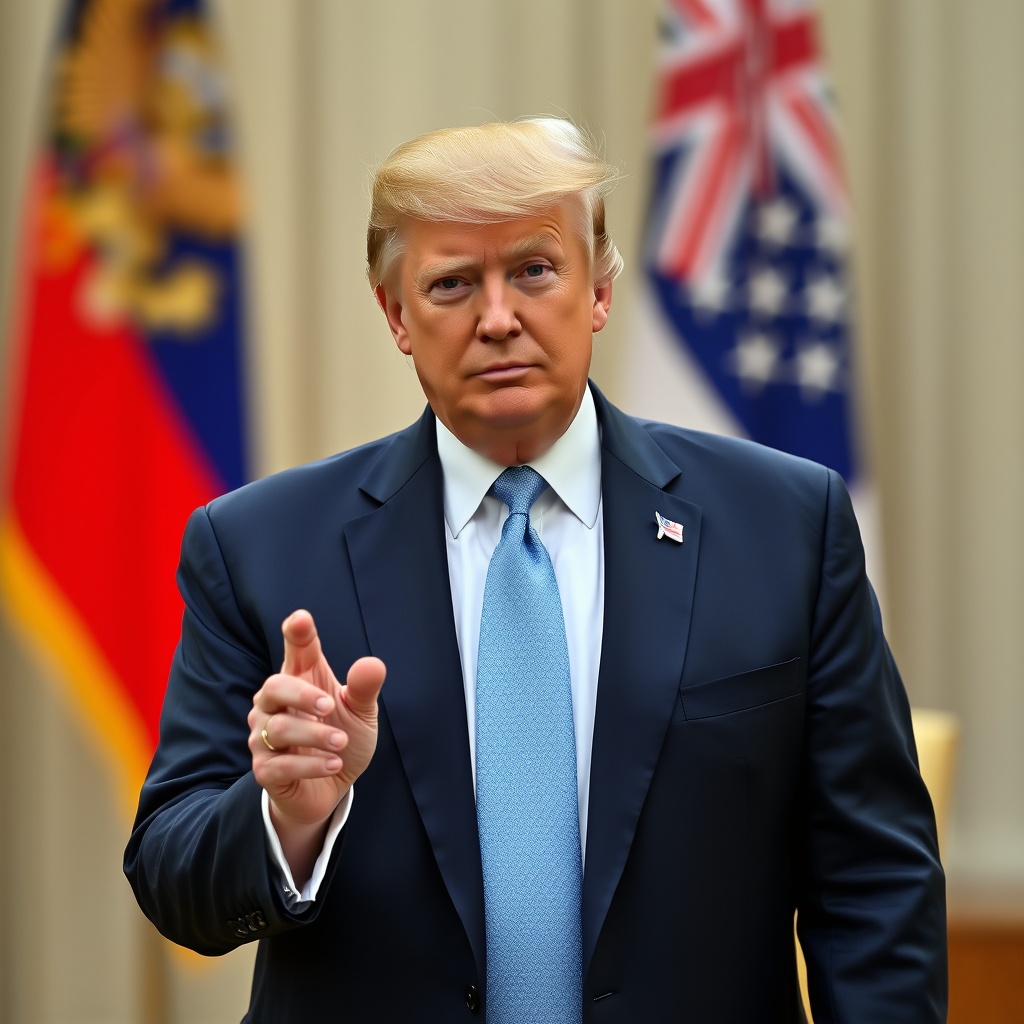
The relationship between the United States and Russia has been a subject of immense interest and scrutiny in recent years. The two nations, with their complex histories and geopolitical tensions, have often found themselves at odds on various global issues. However, in a significant development, US President Donald Trump announced that he would meet Russian President Vladimir Putin again, citing "great progress" made during a phone call between the two leaders. This article delves into the details of the phone call, the agreed-upon meeting, and the implications of this development on global politics.
Background: US-Russia Relations
The US-Russia relationship has been marked by periods of cooperation and confrontation. Historically, the Cold War defined the dynamics between the two superpowers, with each seeking to expand its influence and ideologies globally. Since the collapse of the Soviet Union, there have been efforts to improve relations, but challenges such as arms control, territorial disputes, and differences in global governance have persisted. The election of Donald Trump as US President introduced a new dynamic, with Trump expressing a desire to improve relations with Russia, a stance that has been both praised and criticized.
The Trump administration's approach to Russia has been under scrutiny, particularly in the context of investigations into Russian interference in the 2016 US presidential election. Despite these challenges, both Trump and Putin have expressed interest in improving bilateral relations, citing areas of mutual interest such as counter-terrorism and non-proliferation. The phone call between Trump and Putin, where "great progress" was reportedly made, suggests a continued effort by both leaders to find common ground.
The Phone Call: Areas of Agreement
While the exact details of the Trump-Putin phone call are not publicly disclosed, the announcement of "great progress" and the agreement to meet again indicate significant discussions. The areas of agreement are likely to include issues such as:
-
Arms Control: The expiration of major arms control treaties between the US and Russia has raised concerns about a new arms race. Discussions on extending or replacing these treaties could be a point of agreement, as both countries have expressed interest in maintaining some level of arms control.
-
Ukraine and Regional Security: The conflict in Ukraine and the broader issue of regional security in Eastern Europe are critical points of contention. Any progress in these areas could involve discussions on ceasefire agreements, territorial integrity, and the role of international organizations in conflict resolution.
-
Counter-Terrorism: Both the US and Russia have stated their commitment to fighting terrorism. Cooperation in this area could involve intelligence sharing, joint operations against terrorist groups, and efforts to stabilize regions affected by terrorism.
-
Economic Cooperation: Despite sanctions and trade tensions, there is potential for increased economic cooperation, particularly in the energy sector. Russian energy exports are a significant component of the global market, and the US, as a major consumer, has a vested interest in stable energy supplies.
Implications and Challenges
The agreement to meet again and the reported "great progress" have significant implications for global politics and the future of US-Russia relations. However, several challenges must be addressed:
-
Domestic Politics in the US: Trump's efforts to improve relations with Russia are controversial, with many in the US Congress and among the American public skeptical of Putin's intentions. Any perceived concessions to Russia could face opposition domestically.
-
European Allies: The stance of European allies is crucial, as many have expressed concerns about Russian expansionism and the need for a united front against potential threats. The US will need to balance its desire for better relations with Russia against the need to reassure its European partners.
-
Concrete Actions: While agreements and meetings are important, they must be followed by concrete actions. The implementation of any agreements reached during the Trump-Putin meetings will be closely watched, and failure to deliver could undermine the progress made.
Case Studies: Historical Precedents
Historical precedents can provide insight into the potential outcomes of improved US-Russia relations. For example:
-
The Helsinki Accords of 1975: This agreement, signed by the US, Canada, and European countries, recognized post-war borders in Europe and committed signatories to respect human rights and fundamental freedoms. While it did not end the Cold War, it marked an important step in reducing tensions.
-
The Strategic Arms Reduction Treaty (START): Negotiated during the late Cold War period and after, START and its successors have played a crucial role in reducing nuclear arsenals and stabilizing the nuclear balance between the US and Russia.
These examples illustrate that even in periods of tension, cooperation is possible and can lead to significant benefits for global security and stability.
Conclusion
The announcement by President Trump of "great progress" in his phone call with President Putin and their agreement to meet again marks a significant development in US-Russia relations. While challenges abound, the potential for cooperation in areas such as arms control, regional security, counter-terrorism, and economic cooperation is substantial. The success of these efforts will depend on the ability of both countries to navigate their complex relationship, address domestic and international skepticism, and translate agreements into concrete actions. As the global landscape continues to evolve, the trajectory of US-Russia relations will be closely watched, with implications for international security, economic stability, and the future of global governance.

Leave a comment