
Introduction
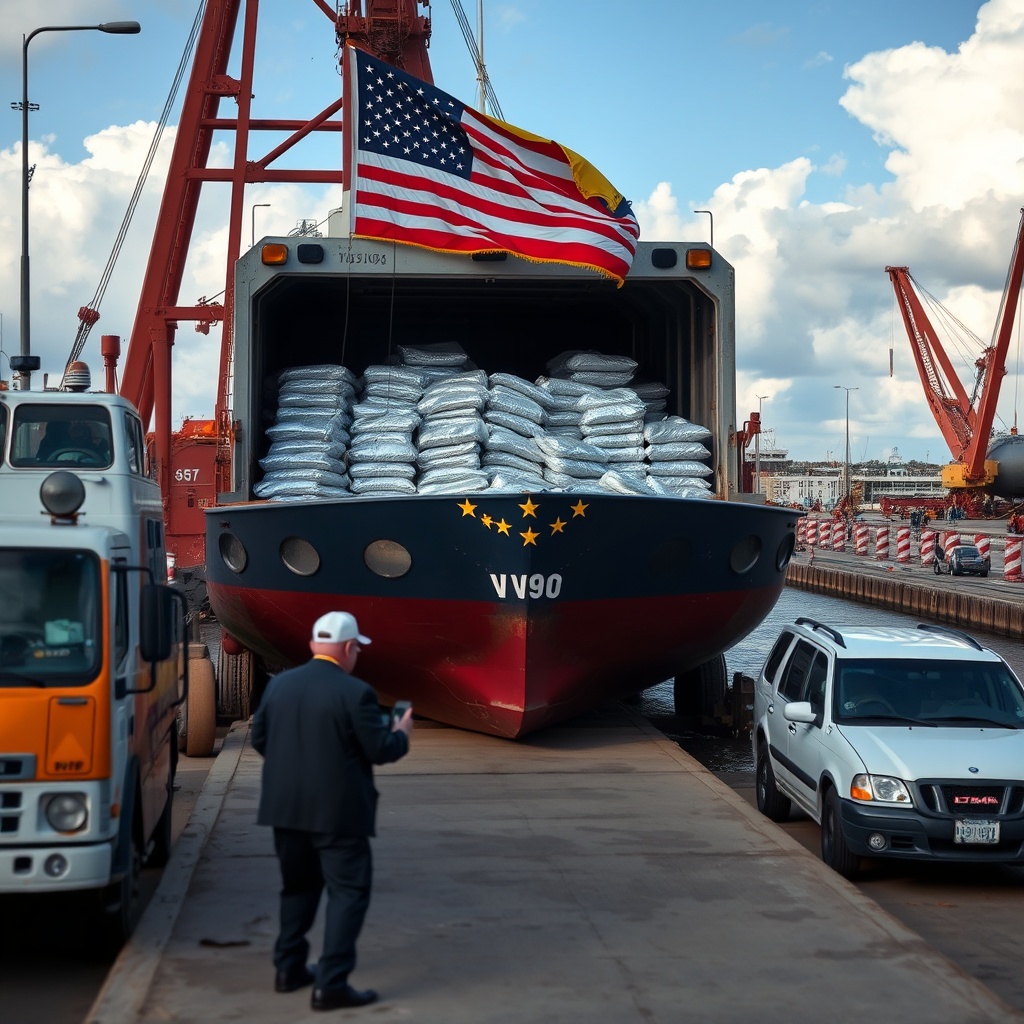
In a move that has sparked both interest and controversy, U.S. President Donald Trump recently announced that the United States had targeted a dock area in Venezuela. According to Trump, this dock was allegedly used for loading drugs, implying a significant strike against narcotics trafficking. This action is part of a broader effort by the U.S. to combat drug trafficking, which has been a persistent issue affecting not only the United States but also countries in Central and South America. The situation is complex, involving geopolitical tensions, economic factors, and the ongoing fight against illegal drug trade. This article will delve into the details of the situation, exploring the context, implications, and potential outcomes of such actions.
Background: U.S.-Venezuela Relations and Drug Trafficking
The relationship between the United States and Venezuela has been strained for several years, with disagreements over political ideology, economic policies, and human rights issues. Venezuela, under the leadership of President Nicolas Maduro, has faced significant economic challenges, including hyperinflation, shortages of food and medicine, and a massive migration crisis. The U.S. has imposed sanctions on Venezuela, aiming to pressure the Maduro government to adopt democratic reforms and respect human rights.
Drug trafficking is a critical issue in the region, with various countries serving as transit points for drugs destined for the United States and other markets. Venezuela, due to its geographical location and current economic and political instability, has been identified as a significant transit point for cocaine and other illegal drugs. The U.S. has expressed concerns over the involvement of Venezuelan officials in drug trafficking, further complicating the bilateral relationship.
The U.S. Action: Targets and Implications
The U.S. action against the Venezuelan dock, as described by President Trump, represents a direct approach to combating drug trafficking. The specifics of the operation, including the methods used (whether it was a drone strike, a naval operation, or another form of intervention), the extent of the damage, and the immediate consequences for the dock's operations and the surrounding area, are crucial for understanding the implications of this action.
From a geopolitical standpoint, this move could exacerbate tensions between the U.S. and Venezuela, potentially leading to retaliatory actions or further escalation. It also sends a strong message to other countries in the region about the U.S.'s commitment to fighting drug trafficking, even if it means taking unilateral action.
Moreover, the effectiveness of such targeted strikes in disrupting drug trafficking networks is a subject of debate. While they can temporarily disrupt operations, the resilience and adaptability of these networks often allow them to recover and find new routes and methods for their activities. A comprehensive approach that includes diplomatic efforts, support for regional security initiatives, and addressing the socioeconomic factors that drive drug production and trafficking may be more effective in the long term.
Regional and International Reactions
The international community's reaction to the U.S. action in Venezuela will be closely watched, as it could set a precedent for future interventions. Neighboring countries and regional organizations may view this action with a mix of concern and understanding, given the shared goal of reducing drug trafficking. However, any perception that the U.S. is acting unilaterally or disregarding sovereignty could lead to criticism and calls for a more cooperative approach to regional security issues.
The Organization of American States (OAS) and the United Nations (UN) may be called upon to play a role in mediating the situation or in supporting regional efforts to combat drug trafficking. Their responses will be critical in shaping the international community's stance on the issue and in determining the extent to which the U.S. action is seen as legitimate or as an overstep of boundaries.
Conclusion
The U.S. action against a dock in Venezuela alleged to be involved in drug trafficking is a significant development in the complex and challenging context of U.S.-Venezuela relations and the regional fight against drug trafficking. While the move reflects the U.S.'s commitment to addressing this critical issue, its implications are far-reaching and multifaceted. The effectiveness of such actions in achieving lasting reductions in drug trafficking, the potential for escalating tensions, and the importance of a coordinated international response are all key considerations.
As the situation unfolds, it will be important to monitor the reactions of the Venezuelan government, the international community, and other stakeholders. A balanced approach that combines targeted actions against drug trafficking networks with broader diplomatic and socioeconomic strategies may offer the best path forward. In the end, combating drug trafficking effectively will require cooperation, a commitment to addressing root causes, and a willingness to adapt strategies as circumstances evolve. The future of U.S.-Venezuela relations and the success of regional anti-drug efforts hang in the balance, making this a critical issue to watch in the months and years to come.

Leave a comment