
Introduction
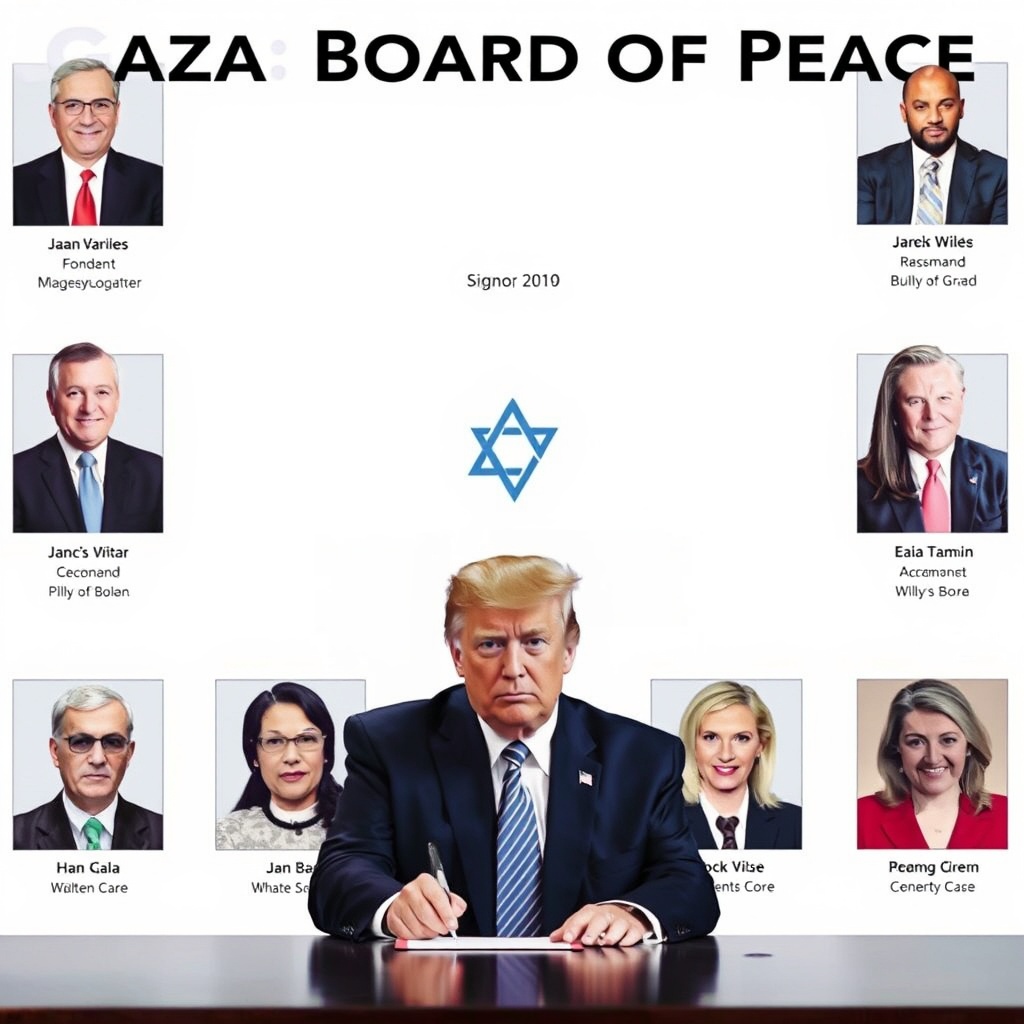
In a move aimed at promoting peace and stability in the Gaza region, former US President Donald Trump has signed into being his "Board of Peace," a coalition of countries committed to finding a lasting solution to the region's longstanding conflicts. The signing ceremony, which took place on January 22, 2026, was attended by representatives from several countries, including the United Arab Emirates, Hungary, and Pakistan. This article will delve into the details of the "Board of Peace," its members, and the notable absentees, as well as the implications of this initiative for the future of the Gaza region.
Background and Context
The Gaza region has been plagued by conflict and instability for decades, with the Israeli-Palestinian conflict being a major contributor to the region's turmoil. The conflict has resulted in significant human suffering, economic hardship, and a lack of opportunities for the region's inhabitants. In recent years, there have been numerous attempts to broker a peace agreement between Israel and the Palestinians, but so far, these efforts have been met with limited success.
The establishment of the "Board of Peace" is the latest attempt to find a solution to the region's problems. The board is envisioned as a platform for countries to come together and share their expertise, resources, and knowledge to promote peace and stability in the Gaza region. The board's members will work together to identify areas of cooperation, develop strategies for promoting economic development, and provide support for initiatives that promote peace and reconciliation.
Members of the Board of Peace
The "Board of Peace" has attracted a diverse range of countries, each with its own unique perspective and expertise. Some of the countries that have joined the board include:
- The United Arab Emirates (UAE): The UAE has been a key player in regional diplomacy, and its membership in the board is seen as a significant boost to the initiative. The UAE has a strong track record of promoting economic development and stability in the region.
- Hungary: Hungary's membership in the board is seen as a surprise, given its limited involvement in Middle Eastern affairs in the past. However, Hungary has been actively engaged in promoting peace and stability in the region, and its membership is seen as a positive development.
- Pakistan: Pakistan's membership in the board is significant, given its own experiences with conflict and instability. Pakistan has a deep understanding of the challenges faced by the Gaza region and is well-placed to provide valuable insights and expertise.
Other countries that have joined the board include Egypt, Jordan, and Bahrain. These countries have all been actively engaged in promoting peace and stability in the region and bring a wealth of experience and expertise to the table.
Notable Absentees
Despite the impressive list of countries that have joined the "Board of Peace," there are some notable absentees. One of the most significant absentees is the Palestinian Authority, which has been a key player in the Israeli-Palestinian conflict. The Palestinian Authority has expressed skepticism about the board, citing concerns about the initiative's effectiveness and the lack of representation for Palestinian interests.
Another notable absentee is Israel, which has been a major player in the region's conflicts. Israel has expressed reservations about the board, citing concerns about the initiative's potential to undermine its own security interests.
The absence of these key players has raised questions about the effectiveness of the "Board of Peace" and its ability to promote meaningful change in the region. However, the board's members remain optimistic, citing the importance of dialogue and cooperation in promoting peace and stability.
Implications and Future Directions
The establishment of the "Board of Peace" has significant implications for the future of the Gaza region. The board's members are committed to working together to promote economic development, provide support for initiatives that promote peace and reconciliation, and identify areas of cooperation.
One of the key areas of focus for the board will be promoting economic development in the Gaza region. The region has significant economic potential, but it has been hindered by conflict and instability. The board's members will work together to identify opportunities for investment, provide support for entrepreneurs and small businesses, and promote trade and commerce.
Another key area of focus will be promoting peace and reconciliation. The board's members will work together to identify initiatives that promote dialogue and understanding between different communities, provide support for peace-building efforts, and promote education and cultural exchange programs.
Case Studies and Examples
There are several case studies and examples that demonstrate the potential of the "Board of Peace" to promote meaningful change in the Gaza region. For example, the UAE has been actively engaged in promoting economic development in the region, with a focus on investing in infrastructure, education, and healthcare.
Another example is the work of the Hungarian government, which has been actively engaged in promoting peace and stability in the region. Hungary has provided significant support for peace-building efforts, including funding for education and cultural exchange programs.
Statistics and Data
According to recent statistics, the Gaza region has significant economic potential, with a growing population and a highly skilled workforce. However, the region has been hindered by conflict and instability, with significant challenges in terms of poverty, unemployment, and access to basic services.
Some key statistics and data that highlight the challenges faced by the Gaza region include:
- Poverty rates: Over 50% of the population in the Gaza region lives below the poverty line, with limited access to basic services such as healthcare, education, and sanitation.
- Unemployment rates: Unemployment rates in the Gaza region are among the highest in the world, with over 40% of the workforce unemployed.
- Access to basic services: Many communities in the Gaza region lack access to basic services such as electricity, water, and sanitation, with significant challenges in terms of healthcare and education.
Challenges and Limitations
Despite the potential of the "Board of Peace" to promote meaningful change in the Gaza region, there are several challenges and limitations that need to be addressed. One of the key challenges will be ensuring the representation of all stakeholders, including the Palestinian Authority and Israel.
Another challenge will be addressing the significant economic and social challenges faced by the Gaza region, including poverty, unemployment, and limited access to basic services. The board's members will need to work together to identify areas of cooperation, develop strategies for promoting economic development, and provide support for initiatives that promote peace and reconciliation.
Conclusion
The establishment of the "Board of Peace" is a significant development in the quest for peace and stability in the Gaza region. The board's members are committed to working together to promote economic development, provide support for initiatives that promote peace and reconciliation, and identify areas of cooperation.
While there are several challenges and limitations that need to be addressed, the potential of the "Board of Peace" to promote meaningful change in the Gaza region is significant. The board's members are optimistic about the future, citing the importance of dialogue and cooperation in promoting peace and stability.
As the "Board of Peace" moves forward, it will be important to ensure the representation of all stakeholders, including the Palestinian Authority and Israel. The board's members will need to work together to address the significant economic and social challenges faced by the Gaza region, including poverty, unemployment, and limited access to basic services.
Ultimately, the success of the "Board of Peace" will depend on the ability of its members to work together, share their expertise and resources, and promote a vision of peace and stability for the Gaza region. With the right approach, the "Board of Peace" has the potential to make a significant contribution to promoting peace and stability in the region, and to improving the lives of the people who live there.

Leave a comment