
Introduction
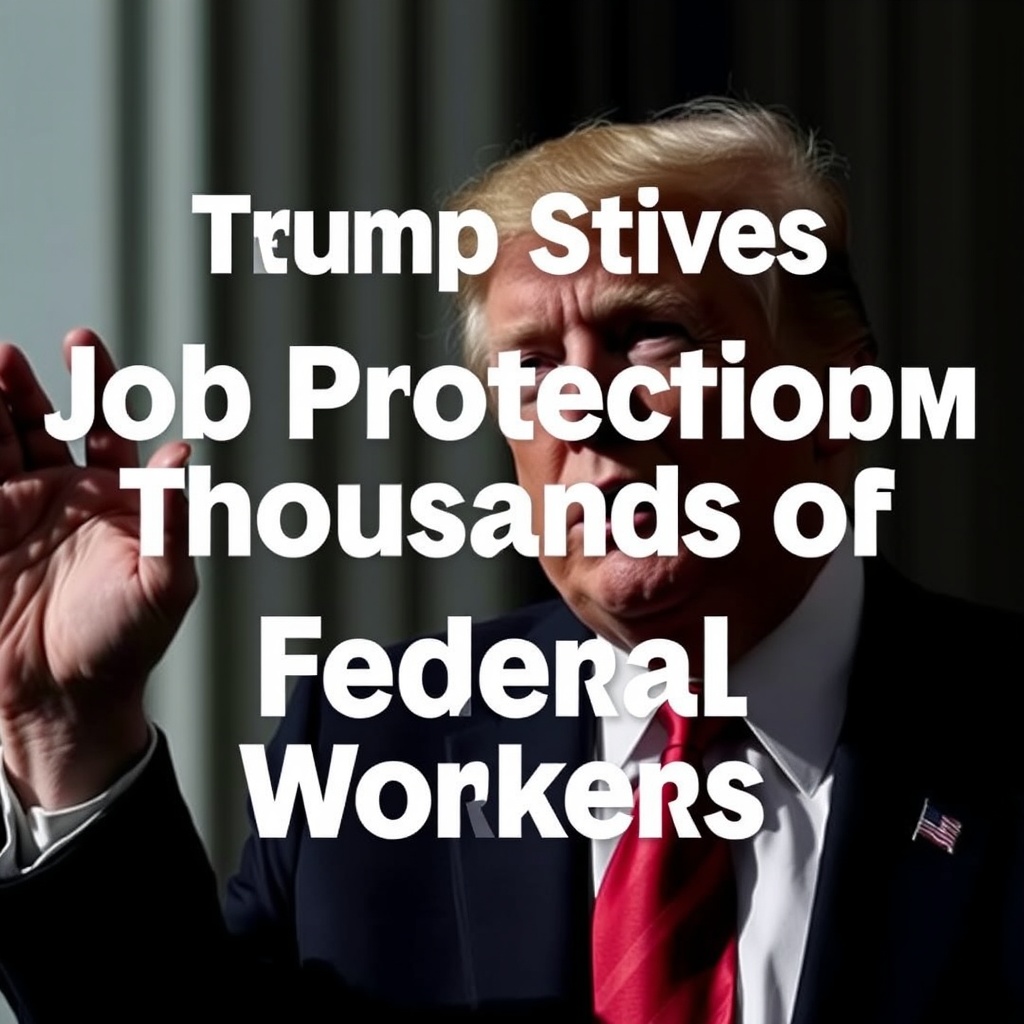
The Trump administration's latest move to strip job protections from thousands of federal workers has sent shockwaves throughout the country. On Thursday, the administration finalized a new policy that would affect up to 50,000 federal workers, making it easier for them to be fired or disciplined. This move has been met with widespread criticism from federal employee unions, Democrats, and other groups who argue that it will undermine the stability and security of the federal workforce. In this article, we will delve into the details of the new policy, its potential implications, and the reactions from various stakeholders.
Background and Context
The federal workforce is one of the largest and most diverse in the country, with over 2 million employees working in various agencies and departments. Federal workers are responsible for providing essential services to the public, including healthcare, education, law enforcement, and national security. The job protections that are being stripped away have been in place for decades and are designed to ensure that federal workers are treated fairly and with respect. These protections include due process rights, whistleblower protections, and collective bargaining rights.
The Trump administration has argued that the current system is outdated and inefficient, and that the new policy is needed to improve accountability and performance within the federal workforce. However, critics argue that the real motive behind the policy is to undermine the power of federal employee unions and to make it easier for the administration to push through its agenda without opposition. According to a report by the Government Accountability Office, the federal workforce has been facing significant challenges in recent years, including a shortage of skilled workers, inadequate training, and poor morale.
The New Policy and Its Implications
The new policy, which was finalized on Thursday, would strip job protections from federal workers in "sensitive" positions, including those involved in national security, law enforcement, and other areas. The policy would also make it easier for agencies to fire or discipline workers who are deemed to be underperforming or who have engaged in misconduct. The administration has argued that the policy is needed to ensure that federal workers are held to the highest standards of performance and conduct.
However, critics argue that the policy is overly broad and could be used to target workers who are simply doing their jobs. For example, a federal worker who blows the whistle on wrongdoing or corruption could be deemed to be "underperforming" or "misconducting" themselves, and could be fired or disciplined as a result. According to a survey by the American Federation of Government Employees, 70% of federal workers are concerned about the impact of the new policy on their job security.
The policy could also have a disproportionate impact on certain groups of workers, including minorities and women. These groups are already underrepresented in the federal workforce, and the new policy could make it even harder for them to advance or to feel secure in their jobs. For example, a study by the National Association of African Americans in Human Resources found that African American federal workers are more likely to be disciplined or fired than their white counterparts.
Reactions and Criticisms
The new policy has been met with widespread criticism from federal employee unions, Democrats, and other groups. The American Federation of Government Employees, which represents over 700,000 federal workers, has called the policy "a declaration of war on federal workers." The union has argued that the policy is designed to undermine the power of federal employee unions and to make it easier for the administration to push through its agenda without opposition.
Democrats have also criticized the policy, arguing that it is a partisan attack on federal workers. Senator Chuck Schumer, the Democratic leader in the Senate, has called the policy "a reprehensible attempt to strip away the rights of dedicated public servants." According to a statement by the Congressional Black Caucus, the policy "will have a devastating impact on the federal workforce and will undermine the ability of agencies to provide essential services to the public."
Other groups, including the National Treasury Employees Union and the Federal Law Enforcement Officers Association, have also spoken out against the policy. These groups have argued that the policy is unnecessary and could have unintended consequences, including a decrease in morale and an increase in turnover within the federal workforce.
Case Studies and Examples
The new policy has already had a significant impact on federal workers. For example, a federal worker at the Department of Veterans Affairs was recently fired after speaking out about the poor conditions at a VA hospital. The worker had been a vocal critic of the hospital's management and had filed several complaints about the poor care being provided to patients.
Another example is the case of a federal worker at the Environmental Protection Agency who was disciplined for speaking out about the agency's handling of a major environmental disaster. The worker had been a key whistleblower in the case and had provided critical information to investigators.
These cases illustrate the potential risks and consequences of the new policy. Federal workers who speak out about wrongdoing or corruption could be targeted and retaliated against, which could have a chilling effect on the ability of workers to report misconduct or abuse.
Conclusion
The Trump administration's decision to strip job protections from thousands of federal workers is a significant and far-reaching move that could have major implications for the federal workforce. While the administration has argued that the policy is needed to improve accountability and performance, critics argue that it is a partisan attack on federal workers and could have unintended consequences.
As the policy is implemented, it will be important to monitor its impact on federal workers and the services they provide. The federal workforce is a critical component of our government, and it is essential that workers are treated with respect and fairness. By stripping away job protections, the administration is taking a significant risk that could have major consequences for the country.
In the coming months and years, it will be important to watch how the policy is implemented and to hold the administration accountable for its actions. Federal workers and their unions will need to be vigilant in defending their rights and interests, and Democrats and other groups will need to continue to speak out against the policy.
Ultimately, the decision to strip job protections from federal workers is a shortsighted and misguided move that could have major consequences for the country. It is a reminder of the importance of protecting the rights and interests of federal workers, and of the need for a more nuanced and thoughtful approach to managing the federal workforce. By working together and standing up for the rights of federal workers, we can ensure that our government is effective, efficient, and accountable to the people it serves.

Leave a comment