
Introduction
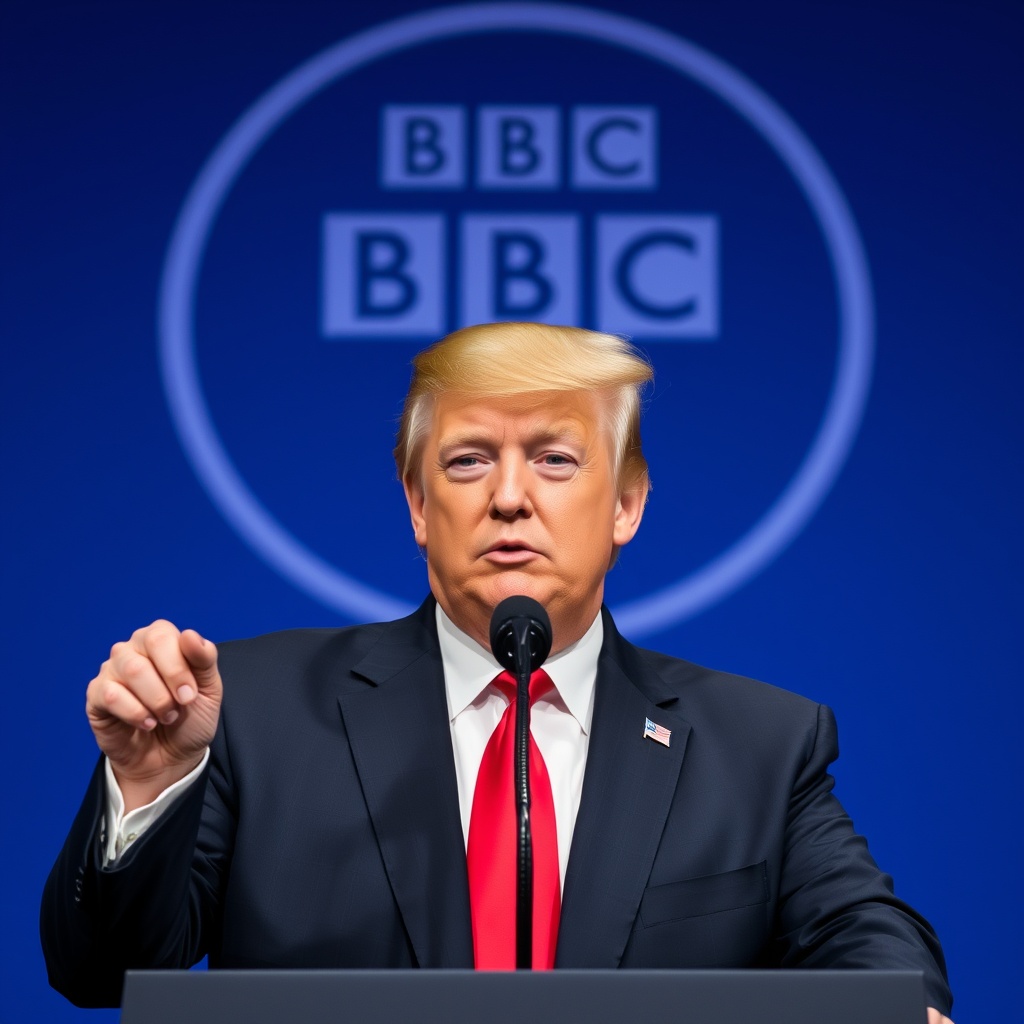
In a shocking turn of events, former President Donald Trump has filed a lawsuit against the British Broadcasting Corporation (BBC), seeking a staggering $10 billion in damages for alleged defamation. The lawsuit centers around an edited version of Trump's speech on January 6, which the BBC broadcast, and which Trump claims was manipulated to damage his reputation. This article will delve into the details of the lawsuit, the implications of such a high-profile case, and the potential consequences for both Trump and the BBC.
Background to the Lawsuit
To understand the context of the lawsuit, it is essential to examine the events surrounding January 6 and the role of the media in reporting on Trump's speech. On January 6, 2021, a mob of Trump supporters stormed the United States Capitol, leading to widespread violence and destruction. In the aftermath of the event, Trump's speech, which some critics argue incited the violence, came under intense scrutiny. The BBC, like many other news outlets, broadcast a version of the speech, which Trump claims was edited in a way that defamed him.
The lawsuit alleges that the BBC's edited version of the speech was deliberately misleading and intended to damage Trump's reputation. Trump's lawyers argue that the BBC's actions were motivated by a desire to harm Trump's political career and that the broadcaster had a history of biased reporting against him. The BBC has yet to comment on the lawsuit, but it is likely that the broadcaster will argue that its reporting was fair and accurate, and that Trump's claims of defamation are without merit.
The Implications of the Lawsuit
The implications of this lawsuit are far-reaching and could have significant consequences for both Trump and the BBC. If Trump is successful in his lawsuit, it could set a precedent for future defamation cases, potentially limiting the ability of news outlets to report on public figures. On the other hand, if the BBC is found not liable, it could be seen as a victory for press freedom and the ability of journalists to report on newsworthy events without fear of retribution.
The lawsuit also raises questions about the role of the media in reporting on public figures and the balance between free speech and defamation. Trump has a history of using lawsuits to silence his critics, and this case is likely to be seen as another example of his efforts to use the legal system to intimidate his opponents. The BBC, as a public broadcaster, has a responsibility to report on news events accurately and fairly, and it is likely that the broadcaster will argue that its reporting was in the public interest.
The Potential Consequences for Trump and the BBC
The potential consequences of this lawsuit are significant for both Trump and the BBC. If Trump is successful in his lawsuit, he could be awarded a substantial amount of money in damages, which could be used to fund his future political campaigns. However, if the lawsuit is unsuccessful, it could be seen as a significant embarrassment for Trump, and could potentially damage his reputation further.
For the BBC, the consequences of the lawsuit could be equally significant. If the broadcaster is found liable for defamation, it could face a significant financial penalty, which could impact its ability to report on news events in the future. On the other hand, if the BBC is found not liable, it could be seen as a victory for press freedom, and could potentially embolden other news outlets to report on public figures without fear of retribution.
In terms of statistics, it is worth noting that Trump has a history of using lawsuits to silence his critics. According to a report by the Washington Post, Trump has filed over 3,000 lawsuits during his business career, and has used the legal system to intimidate his opponents on numerous occasions. The BBC, on the other hand, has a reputation for fair and accurate reporting, and has won numerous awards for its journalism.
Case Studies and Precedents
There are several case studies and precedents that are relevant to this lawsuit. In 2016, Trump sued the journalist Tim O'Brien for defamation over a book that questioned Trump's net worth. The lawsuit was eventually settled out of court, but it highlighted Trump's willingness to use the legal system to silence his critics.
In 2019, the BBC was sued by the Russian oligarch Roman Abramovich over a documentary that alleged he had ties to the Russian government. The lawsuit was eventually dropped, but it highlighted the risks faced by news outlets that report on powerful individuals.
In terms of precedents, there are several cases that are relevant to this lawsuit. In the United States, the Supreme Court has established a high bar for defamation cases, requiring plaintiffs to prove that the defendant acted with "actual malice" in publishing the allegedly defamatory statement. In the United Kingdom, the Defamation Act 2013 provides a similar defense for news outlets that report on public figures.
Conclusion
In conclusion, the lawsuit filed by Donald Trump against the BBC is a significant and complex case that raises important questions about the role of the media in reporting on public figures and the balance between free speech and defamation. The implications of the lawsuit are far-reaching, and could have significant consequences for both Trump and the BBC. As the case progresses, it will be important to watch for developments and to consider the potential consequences for press freedom and the ability of journalists to report on newsworthy events without fear of retribution.
Ultimately, the outcome of this lawsuit will depend on the specific facts of the case and the application of the relevant law. However, regardless of the outcome, the case is likely to be seen as a significant test of the limits of free speech and the role of the media in reporting on public figures. As such, it is essential that the case is watched closely, and that the implications of the lawsuit are carefully considered.
In the future, it is likely that we will see more cases like this, as public figures seek to use the legal system to silence their critics and to limit the ability of news outlets to report on their activities. However, it is essential that the media remains free to report on newsworthy events, and that the public is able to access accurate and unbiased information about the activities of public figures.
By considering the details of this case, and the broader implications of the lawsuit, we can gain a deeper understanding of the complex issues at play, and the potential consequences for both Trump and the BBC. As the case progresses, it will be important to continue to watch for developments, and to consider the potential impact on press freedom and the ability of journalists to report on newsworthy events without fear of retribution.

Leave a comment